

Drinking & Liquid Consumption
Some children have difficulty with drinking skills, including coordinating the swallow reflex. This may look like liquid spilling from the mouth, coughing or choking while drinking, or other signs that swallowing is not fully coordinated. Our team helps children build safe and effective drinking skills, including transitioning from bottles to open cups or straws.

Food Aversions
Some children may avoid certain foods due to texture, taste, or past negative experiences. Feeding therapy helps reduce anxiety around eating and gradually introduces new foods in a safe and supportive way.
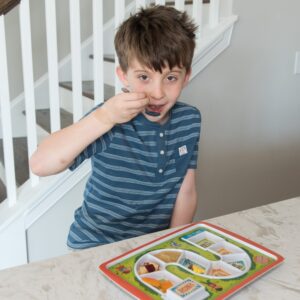
Picky Eating
Picky eating can limit a child’s nutrition and create stress during mealtimes. Our therapists work with families to expand food variety and build positive eating routines.

Oral-Motor Skills
Oral-motor skills involve the muscles used for chewing, swallowing, and controlling food in the mouth. We help strengthen these skills to support safe and efficient eating.

Sensory-Based Feeding Challenges
Some children are sensitive to textures, smells, or the feel of food. Feeding therapy helps children become more comfortable with different sensory experiences related to eating.
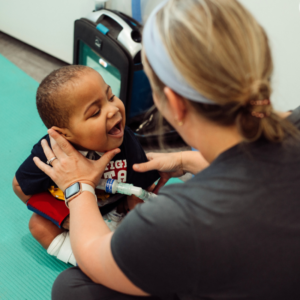
Medically Complex Feeding Needs
For children with medical conditions or feeding tube history, therapy focuses on building safe feeding skills and supporting transitions to oral intake when appropriate.