
Fine Motor Milestones

Fine motor skills involve the small muscles of the hands and fingers that help children grasp, manipulate objects, draw, dress, feed themselves, and complete everyday tasks.

This guide highlights general fine motor milestones and signs that your child may benefit from additional support.

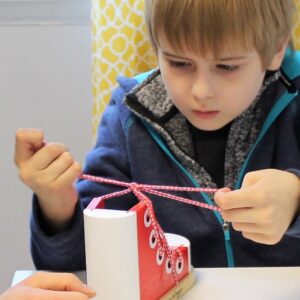
Dressing

Fine motor skills help children manage daily dressing tasks such as using buttons, zippers, snaps, socks, shoes, and fasteners. Occupational therapy can support independence with these everyday routines.
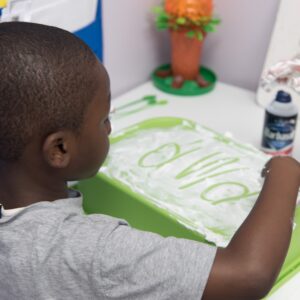
Handwriting

Handwriting develops as children build hand strength, pencil grasp, visual-motor coordination, and control. Support may be helpful when writing, drawing, or copying tasks feel difficult or frustrating.

Self-Feeding

Self-feeding requires hand strength, coordination, grasping, and control. Children gradually develop the ability to hold utensils, pick up foods, drink from cups, and participate more independently during meals.
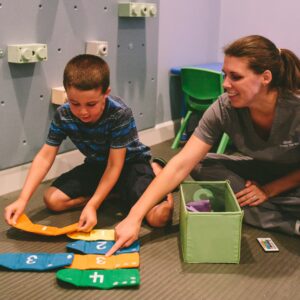
Visual Motor Skills

Visual motor skills involve using the eyes and hands together to complete tasks such as stacking blocks, drawing, copying shapes, puzzles, patterns, and early writing activities.

Fine Motor Development by Age

Fine motor skills develop gradually over time. These milestones are general guidelines, and every child develops at their own pace.

Birth to 6 Months

Babies begin bringing hands to their mouth, opening and closing their hands, briefly holding toys, and reaching toward people or objects.

6 to 12 Months

Children may begin transferring objects between hands, using a raking grasp, picking up small items with thumb and fingers, banging toys together, and exploring objects with their hands.

12 to 18 Months

Toddlers often begin stacking blocks, turning pages in books, scribbling, pointing, placing items into containers, and beginning to use utensils with help.

18 to 24 Months

Children may improve with spoon use, stacking more blocks, turning knobs, beginning simple puzzles, imitating lines or scribbles, and helping with dressing tasks.

2 to 3 Years

Children often begin copying simple lines or circles, stringing large beads, turning book pages one at a time, using utensils more independently, and helping with dressing.

3 to 4 Years

Children may begin using scissors with help, copying simple shapes, building with blocks, dressing with less assistance, and improving control with crayons or markers.

4 to 5 Years

Children often show more control with drawing, coloring, cutting, dressing fasteners, early handwriting, and completing more detailed fine motor tasks.

When to Consider Fine Motor Support

You may want to seek support if fine motor tasks are difficult, frustrating, or interfering with your child’s daily routines.

• Difficulty holding crayons, pencils, utensils, or small toys

• Trouble using buttons, zippers, snaps, or dressing fasteners

• Avoidance or frustration with coloring, drawing, or writing tasks

• Difficulty with scissors, puzzles, blocks, or hand-eye coordination

• Challenges with self-feeding or using cups and utensils

Concerned About Your Child’s Fine Motor Skills?

If your child is struggling with everyday tasks like writing, dressing, or using their hands, our team is here to help. We’ll guide you through the next steps and determine what support may be beneficial.


Contact Us