
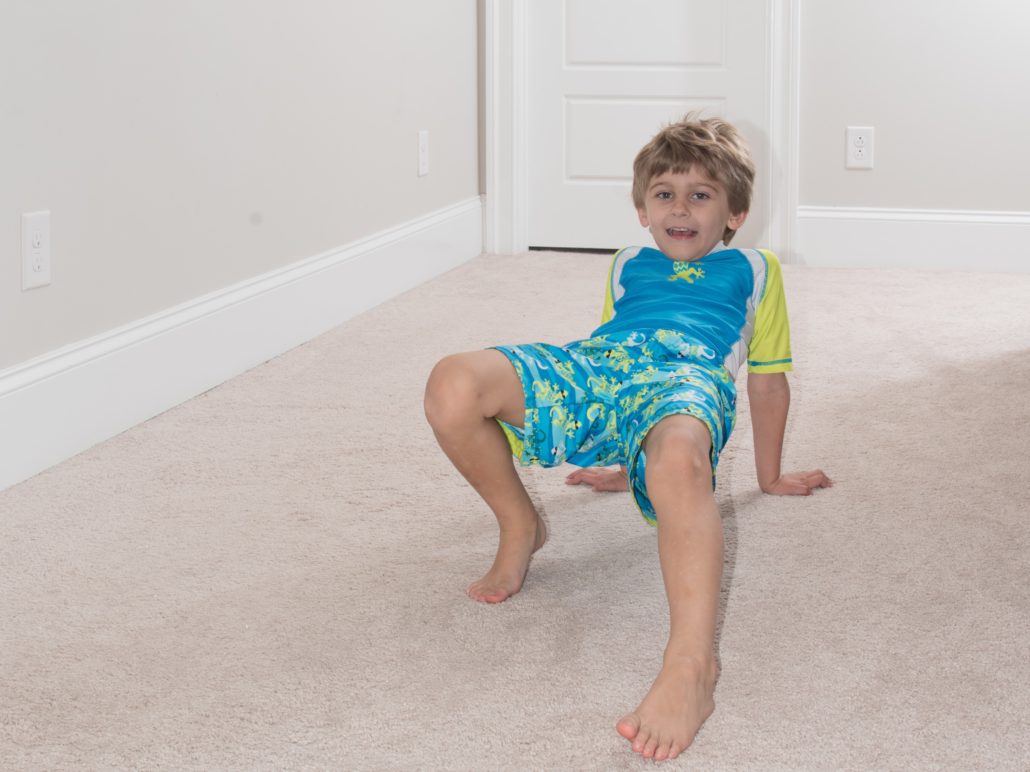
Muscle Tone Management
Pediatric Physical Therapists often assess a child’s muscle tone as either “high” muscle tone or “low” muscle tone. A Physical Therapist may use specific intervention techniques or recommend specific orthotics/equipment to either increase or decrease a child’s muscle tone if it is hindering them from learning a developmental skill or causing pain/discomfort.
Cerebral Palsy is a common diagnosis pediatric Physical Therapist’s treat. Cerebral palsy is a non-degenerative neuromuscular disorder that typically affects a child’s movement, muscle tone, posture, and coordination.
Contact us today to learn more about muscle tone management!
Copyright ©2016 all rights reserved
Powered by Tri-County Therapy