

HealthFlex
×
  • About
    • Our Team
    • About Us
    • Insurances Accepted
    • What Matters To Us
    • Locations
    • Contact Us
  • Our Services
    • Enroll In Therapy
    • Formularios de Inscripción en Español
    • School Screening
    • BabyNet Referral Inquiry
    • Feeding Therapy
    • Occupational Therapy
    • Physical Therapy
    • Speech Language Pathology
    • Privacy Policy
  • Resources
    • Therapy Tips
    • Records Request
    • Developmental Milestones
      • Articulation & Phonology
      • Feeding
      • Fine Motor
      • Gross Motor
      • Expressive Language
      • Receptive Language
      • Sensory Development
      • Social Skills
    • Physician Referrals
    • Blog
  • Join Our Team!
    • Student Learning
Sensory Issue Three: Tantrums & Transitions
April 25, 2018Tri-County TherapyBlog

(Scroll down for tips on video)

Transitions and change can be very difficult on your child, and they occur constantly throughout the day, wreaking havoc on your ability to take your child shopping, daycare, or anywhere new. Outbursts and tantrums may happen more often than not, making you not want to ever leave your house! Here are a few tips to try to limit your child’s anxiety and alleviate the stress of transitions.

Tip #1- Give a ‘heads-up’ of Upcoming Transitions

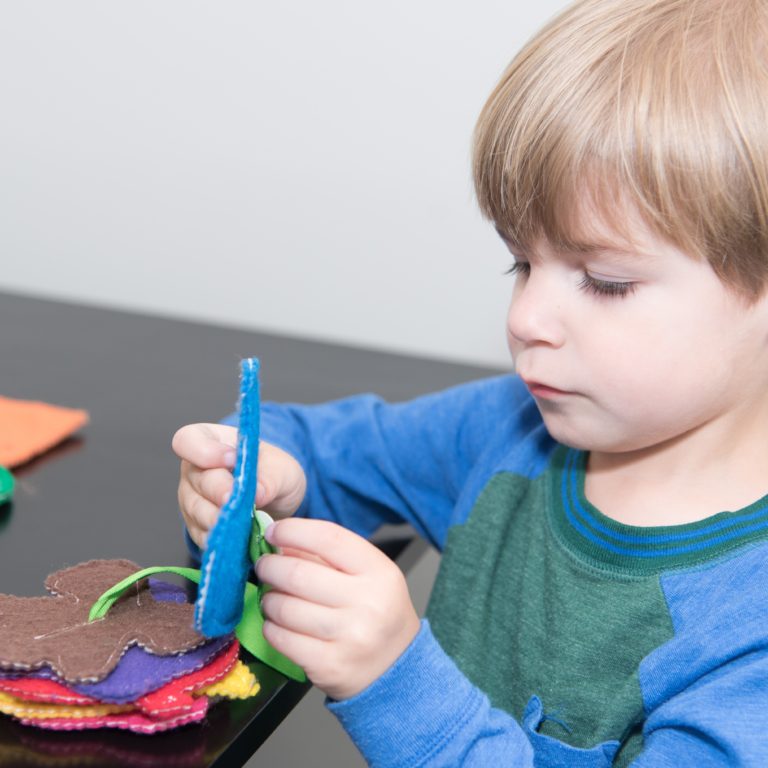
Giving your child notice of what’s going to happen, and when, can be very reassuring. Using strategies such as using a verbal countdown, “okay, we are going to clean up this activity in 5 minutes” or “After you do your homework, it will time for your bath.” This allows your child to prepare for what comes next. You may need to begin with verbal prompts 30 minutes or more before the anticipated transition, and then provide reminders every 5 minutes until it is time to move on to the next task or activity.  You can also use a “First, Then” visual; let your child know that, “first, you will finish your homework, then you will get a bath.” This provides your child with small, manageable steps!
 

Tri County Therapy | Charleston, Anderson, Toys, Therapy Toys, Pediatric Therapy, Occupational Therapy, Physical Therapy, Speech Therapy, Aquatic Therapy, tantrums, transitions

Tip #2 – Use Timers

Try using a timer to help your child know when it’s time to stop an activity or indicate that it is time to go. You can set a visual timer if your child can not yet tell time or does not respond to a clock, use a sand timer from a board game, or a countdown app found on a smart phone or tablet. Timers can give your child a visual and/or auditory indication that it is time to leave one activity or place and move on to the next!

Tri County Therapy | Charleston, Anderson, Toys, Therapy Toys, Pediatric Therapy, Occupational Therapy, Physical Therapy, Speech Therapy, Aquatic Therapy, Tantrums, Transitions, Timers


Tip #3- Use a Picture Schedule

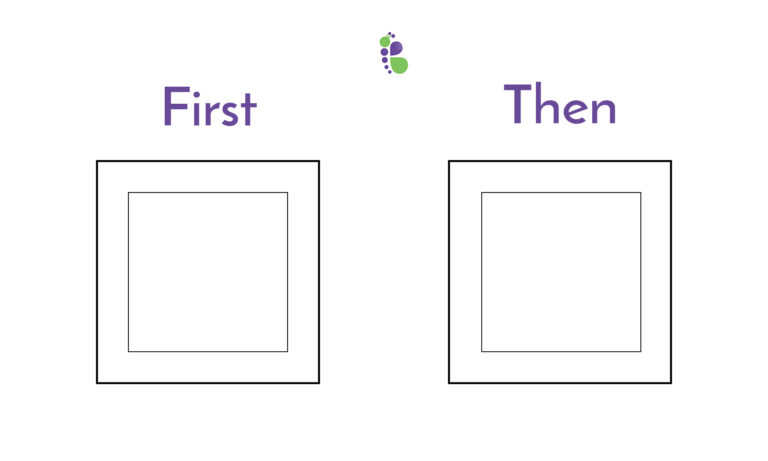
Using a visual schedule can help your child better understand what to expect. A great visual schedule for beginners is a “First/Then” picture schedule. You can either have a picture, or you can write it for her, of what the child needs to do first (such as homework, clean room) and then what she earns when that’s complete (such as the iPad, tv time, etc.).  This provides your child with a simple representation of expectations. You can also use a picture schedule to help him see multiple activities that will occur, such as “breakfast, go to preschool, mom picks you up, dinner, bath, bed.” The child can cross off each activity as it is completed and see what’s next!
Tri County Therapy | Charleston, Anderson, Toys, Therapy Toys, Pediatric Therapy, Occupational Therapy, Physical Therapy, Speech Therapy, Aquatic Therapy, Transitions, First, Then, Visual learning 


Written by: Amy Elgin, MSOL, OTR/L, BCP

Tri County Therapy | Charleston, Anderson, Toys, Therapy Toys, Pediatric Therapy, Occupational Therapy, Physical Therapy, Speech Therapy, Aquatic Therapy, Transitions, Tantrums


SaveSave

SaveSave

SaveSave

SaveSave

Most Recent Blog Posts

  • Answering Questions About The R Sound Sep 21

    Answering Questions About The R Sound   Does your child...

  • Infant Sitting Tips Jul 28

    Infant Sitting Tips By: Hope James, PT, DPT Sitting briefly with...

  • Warming Up To The Playground Jul 21

    Warming Up To The Playground By: Hope James, PT, DPT...

  • Ideas For Beach Day Play Jul 14

    Beach Day Play By: Hope James, PT, DPT Summer time...

Post Categories & Links

age 3 articulation autism bear theme bedtime buttons camping theme core strength costumes cutting distractions feeding difficulties feeding therapy fine motor fine motor toys first words gift ideas grasp gross motor Halloween handwriting lacing language language development occupational therapy OT pediatric therapy Physical development physical therapy picky eating problem eater PT S.O.S schedule sensory sensory processing snaps social skills speech therapy speech therapy toys therapy toys therapy tunnel toys tracing trick-or-treat

Recent Posts

  • Answering Questions About The R Sound
  • Infant Sitting Tips
  • Warming Up To The Playground
  • Ideas For Beach Day Play
  • Ideas For A New Walker

Recent Comments

    Archives

    • September 2022
    • July 2022
    • June 2021
    • January 2021
    • November 2020
    • April 2019
    • March 2019
    • February 2019
    • January 2019
    • December 2018
    • November 2018
    • October 2018
    • September 2018
    • August 2018
    • July 2018
    • June 2018
    • May 2018
    • April 2018

    Categories

    • Blog
    • Uncategorized

    Meta

    • Log in
    • Entries feed
    • Comments feed
    • WordPress.org

    Service Locations

    Natural Environment

    Preschools & Daycares

    Office Locations


    Contact

    Phone: 888-510-6369

    Fax: 843-277-6237

    Email 

    Careers

    Career Opportunities!


    Search Our Site:

    Copyright ©2016 all rights reserved
    Powered by Tri-County Therapy