HealthFlex
×
  • About
    • Our Team
    • About Us
    • Insurances Accepted
    • What Matters To Us
    • Locations
    • Contact Us
  • Our Services
    • Enroll In Therapy
    • Formularios de Inscripción en Español
    • School Screening
    • BabyNet Referral Inquiry
    • Feeding Therapy
    • Occupational Therapy
    • Physical Therapy
    • Speech Language Pathology
    • Privacy Policy
  • Resources
    • Therapy Tips
    • Records Request
    • Developmental Milestones
      • Articulation & Phonology
      • Feeding
      • Fine Motor
      • Gross Motor
      • Expressive Language
      • Receptive Language
      • Sensory Development
      • Social Skills
    • Physician Referrals
    • Blog
  • Join Our Team!
    • Student Learning

Back to School: Attention, Focus, and Weak Core Muscles

January 18, 2019Tri-County TherapyBlogoccupational therapyOTpediatric therapyphysical therapysensory processing
Back to School: Attention, Focus, and Weak Core Muscles

Back to School: Attention, Focus, and Weak Core Muscles

As we have passed the Holidays, and days filled with moving around exploring outside and playing all day have been replaced with sitting at a desk for a large portion of the day. Has your child’s teacher mentioned that he is not able to focus? Maybe your child is abnormally fidgety or restless? Has the teacher told you that she notices your boy not running after his friends during recess? These symptoms may all be related to poor core strength. 

Core strength comes from the muscles of the trunk, including the abdominals and erector spinae among others! Whether running or sitting, these muscles are working all day to keep us upright. When these muscles are weak, children often have to use other methods to keep themselves upright such as propping up on the desk with their elbows or they will end up slumping over the desk. These children may also be seen fidgeting, seem tired, or sit in a “w-sit” position with their legs while on the floor. It is especially hard for a kiddo with trunk weakness to pay attention in school because he is just trying to find a way to stay upright! In addition to problems in the classroom, kids with core weakness often avoid large gross motor movements and play, such as running, jumping, skipping, or hopping because they are just too challenging.  

If any of these symptoms describe your child, call your pediatrician and request a visit with your local pediatric physical or occupational therapist! A Physical or Occupational Therapist will create a plan of care to address the limitations caused by core weakness to improve your child’s ability to participate both in the classroom and on the playground! 

 

Tri County Therapy, Natalie Holman, Physical Therapist, PT, Greer, South Carolina 

Natalie Holman, PT, DPT 

Physical Therapist  

Tri-County Therapy

Tri-County Therapy, West Ashley, South Carolina Speech Language Pathologist, SLP, Speech Therapy, Viginia Liner, Ginger Liner,

Tri-County Therapy, West Ashley, South Carolina Speech Language Pathologist, SLP, Speech Therapy, Viginia Liner, Ginger Liner,


Tri-County Therapy, West Ashley, South Carolina Speech Language Pathologist, SLP, Speech Therapy, Viginia Liner, Ginger Liner,Tri-County Therapy, West Ashley, South Carolina Speech Language Pathologist, SLP, Speech Therapy, Viginia Liner, Ginger Liner,Tri-County Therapy, West Ashley, South Carolina Speech Language Pathologist, SLP, Speech Therapy, Viginia Liner, Ginger Liner,Tri-County Therapy, West Ashley, South Carolina Speech Language Pathologist, SLP, Speech Therapy, Viginia Liner, Ginger Liner,Tri-County Therapy, West Ashley, South Carolina Speech Language Pathologist, SLP, Speech Therapy, Viginia Liner, Ginger Liner,SaveSave

SaveSave

SaveSave

SaveSave

Read More

Back to School Slump: Backpack Safety

January 11, 2019Tri-County TherapyBlogoccupational therapyOTpediatric therapyphysical therapysensory processing
Back to School Slump: Backpack Safety

Back to School Slump: Backpack Safety

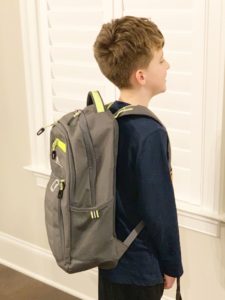
The size of textbooks and amount of homework required of children starting in younger grades has increased to an alarming amount! Large amounts of work in multiple subjects will require students to carry large and heavy books with even larger backpacks. A heavy backpack may lead to consequences such as muscle strain of the neck, shoulders or back; numbness or tingling of arms; and tripping or falling because of altered balance on stairs or in narrow hallways. Below are some ways that we can keep our developing kids from slumping under the literal weight of all that work: 


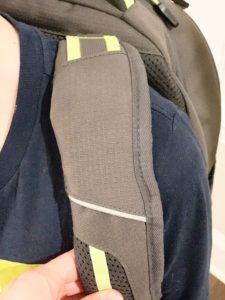
What to look for when CHOOSING a backpack:  

Wide, padded straps 

Chest and/or waist straps  

*Remember, that although a roomy backpack may seem better for those bulky text books, this means there will be more room to pack heavy things! A medium-sized bag can help prevent over-filling. 

Tri County Therapy | Physical Therapy, Speech Therapy, Occupational Therapy, Pediatric Therapy, Greenville, Charleston

How to USE a backpack:  

  1. Adjust the height of the shoulder straps so that the bottom of the bag falls roughly 2 inches above the waist – a backpack should fit snuggly and not hang low. 
  2. Use both shoulder straps, hip and chest straps to help distribute weight evenly.  
  3. Do not allow your child to carry more than 10-15% off his or her body weight. For example, if your child weighs 60 pounds, his backpack should weigh absolutely no more than 9 pounds.  
  4. Place the heaviest items closest to the child’s back. 
  5. Watch your child pick up the backpack off the ground and put it on. If he or she struggles to pick up up or put it on, the backpack is likely too heavy.  


If you’re wondering where to start, ask your child how his/her backpack feels soon after the start of a new school year. With different work loads or a new backpack, you may need to make some adjustments to avoid pain and injury. 


Red Flags: If your child is experiencing back pain/numbness or weakness in arms or legs, please call your pediatrician to determine if further follow-up is necessary. 

For more information on backpack safety, please visit websites such as The National Safety Council, the American Academy of Orthopedic Surgeons, the Pediatric Orthopaedic Society of North America, Kids Health Nemours, and healthychildren.org.


Tri County Therapy, Natalie Holman, Physical Therapist, PT, Greer, South Carolina 

Natalie Holman, PT, DPT 

Physical Therapist  

Tri-County Therapy

Tri-County Therapy, West Ashley, South Carolina Speech Language Pathologist, SLP, Speech Therapy, Viginia Liner, Ginger Liner,

Tri-County Therapy, West Ashley, South Carolina Speech Language Pathologist, SLP, Speech Therapy, Viginia Liner, Ginger Liner,


Tri-County Therapy, West Ashley, South Carolina Speech Language Pathologist, SLP, Speech Therapy, Viginia Liner, Ginger Liner,Tri-County Therapy, West Ashley, South Carolina Speech Language Pathologist, SLP, Speech Therapy, Viginia Liner, Ginger Liner,Tri-County Therapy, West Ashley, South Carolina Speech Language Pathologist, SLP, Speech Therapy, Viginia Liner, Ginger Liner,Tri-County Therapy, West Ashley, South Carolina Speech Language Pathologist, SLP, Speech Therapy, Viginia Liner, Ginger Liner,Tri-County Therapy, West Ashley, South Carolina Speech Language Pathologist, SLP, Speech Therapy, Viginia Liner, Ginger Liner,SaveSave

SaveSave

SaveSave

SaveSave

Read More

Back To School: Schedule & Behavioral Supports

January 4, 2019Tri-County TherapyBlogoccupational therapyOTpediatric therapyphysical therapysensory processing
Back To School: Schedule & Behavioral Supports

Back To School: Schedule & Behavioral Supports

Schedule and behavioral supports are often utilized within the classroom and in speech, occupational, and/or physical therapy.  Having tools in place may lead to a more successful session and learning environment.  These types of supports may be implemented into everyday life in order to increase the likelihood of having the desired behavior occur and be completed.  Below are a few of our favorite behavioral supports! 

Visual Timer

Tri County Therapy | Visual Timer, Physical Therapy, Occupational Therapy, Speech Therapy

Tri County Therapy | Physical Therapy, Occupational Therapy, Speech TherapyVisual timers are very beneficial in helping make participation in necessary activities more tolerable.  Visual times are valuable to help with transitioning, as they provide a “warning” to children with transition difficulties that a task is going to begin or end shortly.  Visual timers can also help with staying on task while completing non-preferred activities or act as a timer to let a child know when her preferred activity will end.  There are many types of visual timers, you can use the timer on your phone, a digital timer, a kitchen timer, etc. 

First-Then Board 

Tri County Therapy | Speech Therapy, Occupational Therapy, Physical Therapy, Greenville, Charleston

A First-Then Board is utilized to help children complete specific tasks or activities. This strategy visually displays two pictures. The “first” is usually a picture of a non-preferred activity and the “then” is a picture of a preferred activity.  For example, “first”, you will complete your work (non-preferred activity); “then” you will get toy (preferred activity).  You can draw pictures, use pictures found online, or take actual pictures of objects to create an individualized First-Then board.   

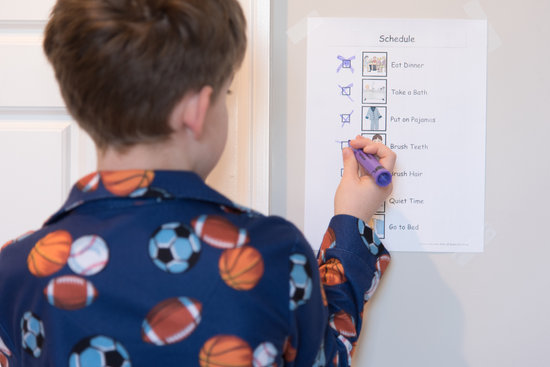
Visual Schedule 

Tri County Therapy | Speech Therapy, Occupational Therapy, Physical Therapy

Visual schedules provide a checklist to children so that they know what is coming next in an activity or a day.  For younger children or children with Autism who thrive on structure and routine, visual schedules aid in transitions.  A visual schedule can promote independence as your child can look at the schedule to see what is next versus relying on you to tell him.  Additionally, visual schedules reinforce memory and mental organization.  You can take actual pictures of your child completing a task or use pictures found online.


Tri-County Therapy, West Ashley, South Carolina Speech Language Pathologist, SLP, Speech Therapy, Viginia Liner, Ginger Liner, 

Ginger Liner, MS, CCC-SLP 

Lead Speech Language Pathologist

Tri County Therapy

Tri-County Therapy, West Ashley, South Carolina Speech Language Pathologist, SLP, Speech Therapy, Viginia Liner, Ginger Liner,

Tri-County Therapy, West Ashley, South Carolina Speech Language Pathologist, SLP, Speech Therapy, Viginia Liner, Ginger Liner,


Tri-County Therapy, West Ashley, South Carolina Speech Language Pathologist, SLP, Speech Therapy, Viginia Liner, Ginger Liner,Tri-County Therapy, West Ashley, South Carolina Speech Language Pathologist, SLP, Speech Therapy, Viginia Liner, Ginger Liner,Tri-County Therapy, West Ashley, South Carolina Speech Language Pathologist, SLP, Speech Therapy, Viginia Liner, Ginger Liner,Tri-County Therapy, West Ashley, South Carolina Speech Language Pathologist, SLP, Speech Therapy, Viginia Liner, Ginger Liner,Tri-County Therapy, West Ashley, South Carolina Speech Language Pathologist, SLP, Speech Therapy, Viginia Liner, Ginger Liner,SaveSave

SaveSave

SaveSave

SaveSave

Read More

Most Recent Blog Posts

  • Answering Questions About The R Sound Sep 21

    Answering Questions About The R Sound   Does your child...

  • Infant Sitting Tips Jul 28

    Infant Sitting Tips By: Hope James, PT, DPT Sitting briefly with...

  • Warming Up To The Playground Jul 21

    Warming Up To The Playground By: Hope James, PT, DPT...

  • Ideas For Beach Day Play Jul 14

    Beach Day Play By: Hope James, PT, DPT Summer time...

Post Categories & Links

age 3 articulation autism bear theme bedtime buttons camping theme core strength costumes cutting distractions feeding difficulties feeding therapy fine motor fine motor toys first words gift ideas grasp gross motor Halloween handwriting lacing language language development occupational therapy OT pediatric therapy Physical development physical therapy picky eating problem eater PT S.O.S schedule sensory sensory processing snaps social skills speech therapy speech therapy toys therapy toys therapy tunnel toys tracing trick-or-treat

Recent Posts

  • Answering Questions About The R Sound
  • Infant Sitting Tips
  • Warming Up To The Playground
  • Ideas For Beach Day Play
  • Ideas For A New Walker

Recent Comments

    Archives

    • September 2022
    • July 2022
    • June 2021
    • January 2021
    • November 2020
    • April 2019
    • March 2019
    • February 2019
    • January 2019
    • December 2018
    • November 2018
    • October 2018
    • September 2018
    • August 2018
    • July 2018
    • June 2018
    • May 2018
    • April 2018

    Categories

    • Blog
    • Uncategorized

    Meta

    • Log in
    • Entries feed
    • Comments feed
    • WordPress.org

    Service Locations

    Natural Environment

    Preschools & Daycares

    Office Locations


    Contact

    Phone: 888-510-6369

    Fax: 843-277-6237

    Email 

    Careers

    Career Opportunities!


    Search Our Site:

    Copyright ©2016 all rights reserved
    Powered by Tri-County Therapy