HealthFlex
×
  • About
    • Our Team
    • About Us
    • Insurances Accepted
    • What Matters To Us
    • Locations
    • Contact Us
  • Our Services
    • Enroll In Therapy
    • Formularios de Inscripción en Español
    • School Screening
    • BabyNet Referral Inquiry
    • Feeding Therapy
    • Occupational Therapy
    • Physical Therapy
    • Speech Language Pathology
    • Privacy Policy
  • Resources
    • Therapy Tips
    • Records Request
    • Developmental Milestones
      • Articulation & Phonology
      • Feeding
      • Fine Motor
      • Gross Motor
      • Expressive Language
      • Receptive Language
      • Sensory Development
      • Social Skills
    • Physician Referrals
    • Blog
  • Join Our Team!
    • Student Learning

Red Flags During Motor Development: Torticollis

September 25, 2018Tri-County TherapyBloggross motoroccupational therapypediatric therapyPhysical developmentphysical therapyPTspeech therapytorticollis
Red Flags During Motor Development: Torticollis

Torticollis is typically seen in infants through toddlers.  Babies and toddlers with torticollis will present with a preference for looking to one side, either left or right, usually accompanied by a head tilt.  Torticollis can lead to atypical head shape, preference for movement to only one side, visual impairments, and general gross motor delay.  It is important to discuss any of these findings with your child’s pediatrician as early as possible.  Physical therapy can help address neck range of motion, increased strength, improved positioning for head shape, and gross motor skills to promote overall gross motor development.

Tip #1

Be sure to encourage tummy time!  Promote tummy time as much as possible with your baby, with a goal of up to one hour per day or more spent on the tummy.  Tummy time promotes strengthening through the neck, core, back, and arms!
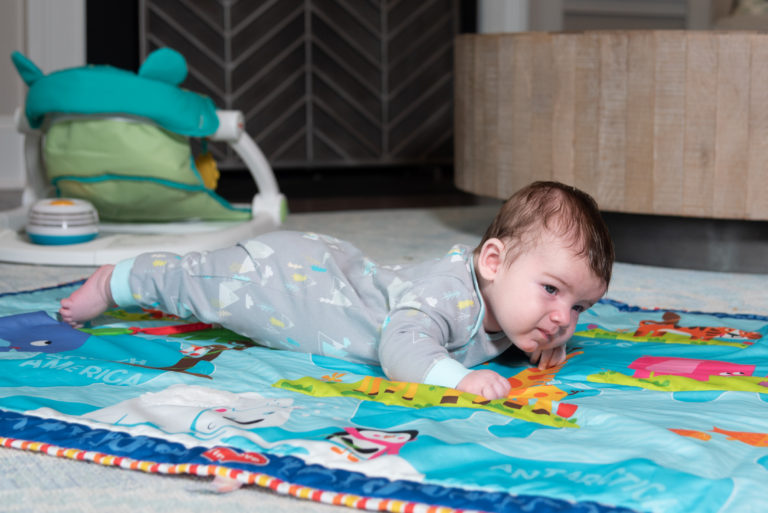
Tri County Therapy | Torticollis, Infant Torticollis, Children's PT, Therapy, Kids Therapy, Charleston, Greenville, Pediatric Therapy, Motor Skills, Infant Motor Development

Tip #2

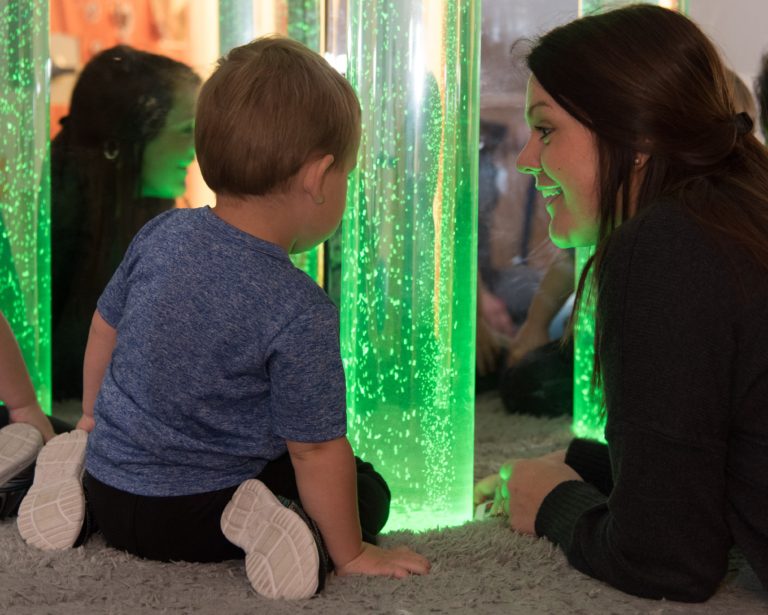
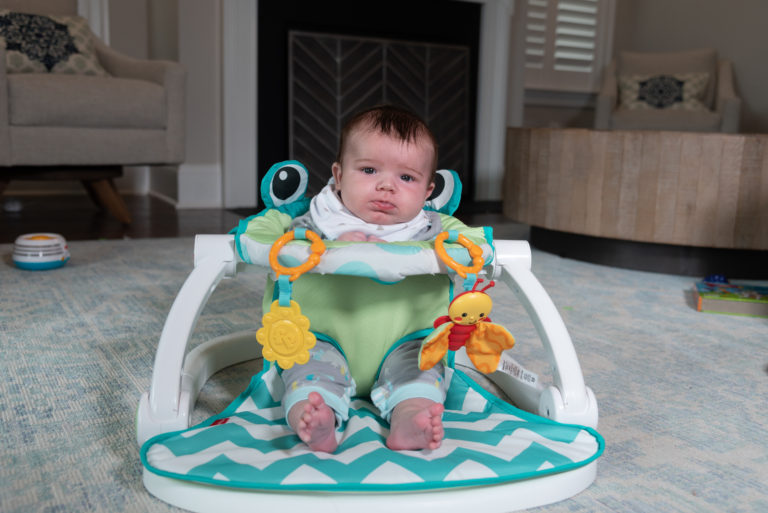
Change the position in which your child plays and rests in throughout the day.  Encourage side-lying, tummy time, supported sitting, and a variety of positions to avoid laying the child on her back and experiencing increased pressure on the back of the skull.  Use mirrors or fun toys that light up or play music to encourage entertainment and distraction!
Tri County Therapy | Torticollis, Infant Torticollis, Children's PT, Therapy, Kids Therapy, Charleston, Greenville, Pediatric Therapy, Motor Skills, Infant Motor Development

Tip #3

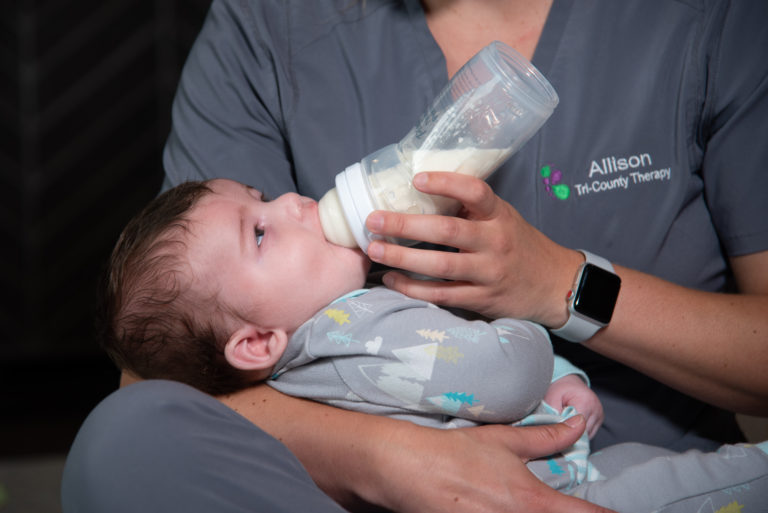
Encourage your child to look to both sides equally!  Present yourself and toys on both left and right sides, as well as feeding the child on both sides.  Change your child’s position in the crib by switching where her head and feet are each day to encourage outward looking on both sides.  This helps to encourage improved movement to left and right!
Tri County Therapy | Torticollis, Infant Torticollis, Children's PT, Therapy, Kids Therapy, Charleston, Greenville, Pediatric Therapy, Motor Skills, Infant Motor Development


Tri County Therapy | Torticollis, Infant Torticollis, Children's PT, Therapy, Kids Therapy, Charleston, Greenville, Pediatric Therapy, Motor Skills, Infant Motor Development


Thank you for reading, Red Flags During Motor Development: Torticollis.

 Written by: Kimberly Shanahan

Lead Physical Therapist

Tri-County Therapy

Tri County Therapy | Torticollis, Infant Torticollis, Children's PT, Therapy, Kids Therapy, Charleston, Greenville, Pediatric Therapy, Motor Skills, Infant Motor Development, Kimberly Shanahan, PT

SaveSave

SaveSave

SaveSave

SaveSave

Read More

Red Flags During Motor Development: Clumsiness

September 18, 2018Tri-County TherapyBlogbalanceclumsinesscoordinationcore strengthgross motoroccupational therapypediatric therapyPhysical developmentphysical therapyPTspeech therapy
Red Flags During Motor Development: Clumsiness

Tripping and falling is a normal part childhood development, especially as children learn to walk and try new, challenging activities. Tripping and falling or “clumsiness” can be problematic when your child is tripping more often than other children her age, is unable to keep up with peers on the playground, or experiences frequent injuries from falls. If your child is demonstrating any of these “clumsy” behaviors, contact your pediatrician to discuss your concerns.  Physical therapy can help address your child’s balance and coordination to improve safety and prevent injuries/falls.

Tri County Therapy | Children's PT, Therapy, Kids Therapy, Charleston, Greenville, Pediatric Therapy, Motor Skills, Motor Development, Clumsiness, Development Red Flags

Here are a few tips to try with your child:

Tip #1

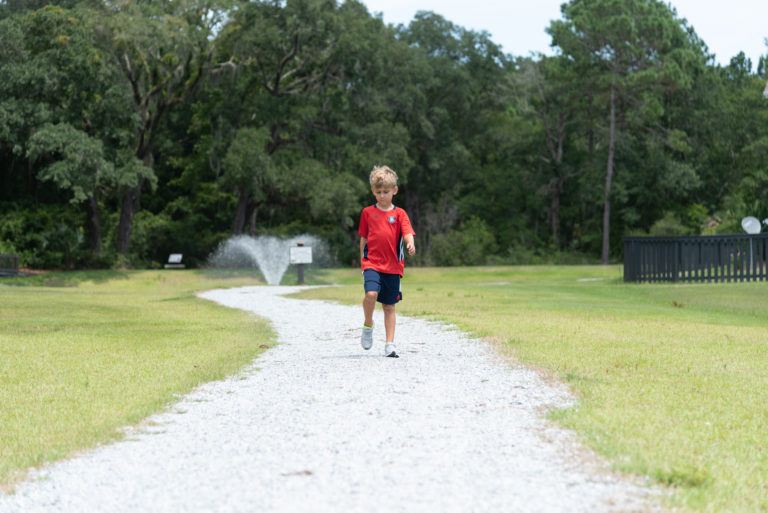
Encourage your child to walk and run on grass, sand, mulch, or playground surfaces.  This encourages your child to adapt to the change in surface and be more aware of her surroundings during play.  Red light/green light is a great game to include with transitions between surfaces and promote awareness!


Tip #2

Engage in fun and silly coordination activities with your child, such as doing jumping jacks, marching in place, crab walks, Simon says, or climbing rock walls.  This helps your child learn to coordinate his arms and legs together and improve overall coordination while having a blast!

Tri County Therapy | Children's PT, Therapy, Kids Therapy, Charleston, Greenville, Pediatric Therapy, Motor Skills, Motor Development, Clumsiness, Development Red Flags

Tip #3

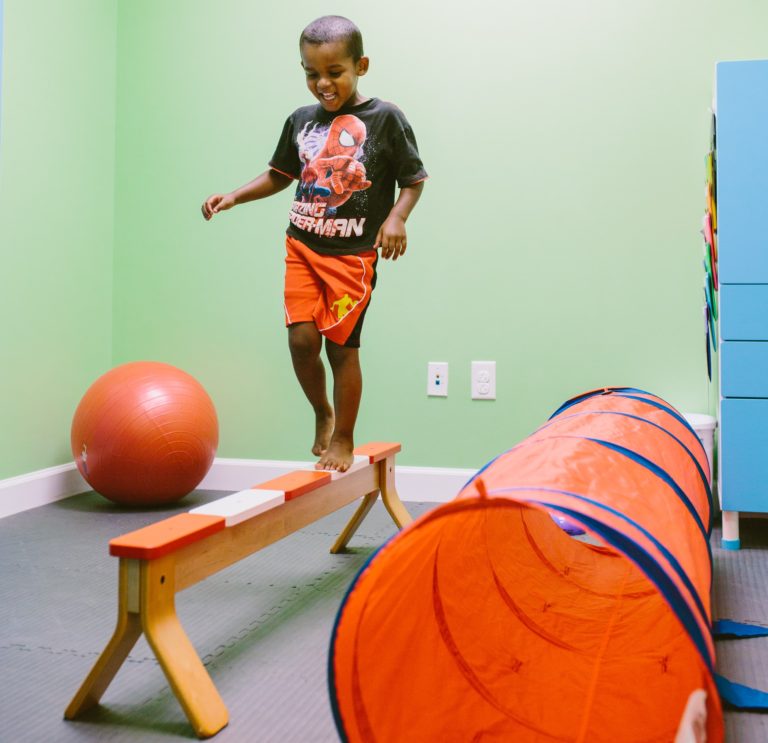
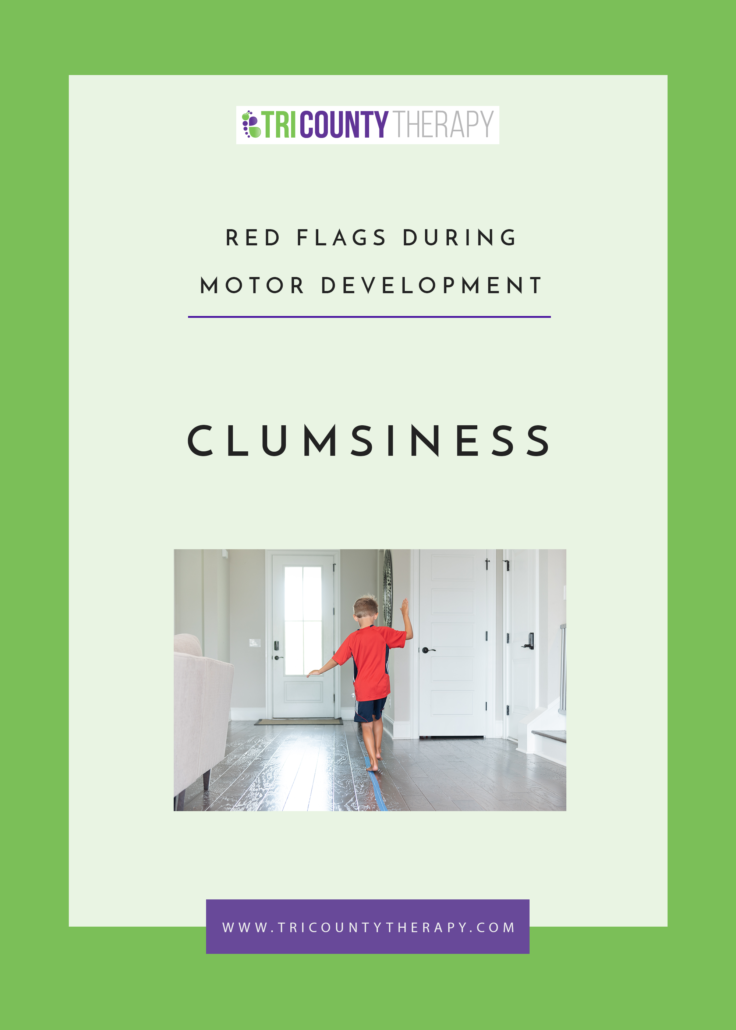
See if you can find or create “balance beams” in your daily activities and encourage your child to walk across without falling off!  Some examples include using painted lines on the ground, sidewalk curbs, wood floors, bricks, or simply place a piece of tape on the floor!  This promotes balance and coordination while focusing on a task.

Tri County Therapy | Children's PT, Therapy, Kids Therapy, Charleston, Greenville, Pediatric Therapy, Motor Skills, Motor Development, Clumsiness, Development Red Flags


Thank you for reading Red Flags During Motor Development: Clumsiness.

 Kimberly Shanahan PT, DPT

Lead Physical Therapist

Tri-County Therapy
Tri County Therapy | Children's PT, Therapy, Kids Therapy, Charleston, Greenville, Pediatric Therapy, Motor Skills, Motor Development, Clumsiness, Development Red Flags, Kimberly Shanahan

SaveSave

SaveSave

SaveSave

SaveSave

Read More

Red Flags During Motor Development: Toe Walking

September 11, 2018Tri-County TherapyBlogcore strengthgross motoroccupational therapypediatric therapyPhysical developmentphysical therapyPTspeech therapytoe walking
Red Flags During Motor Development: Toe Walking

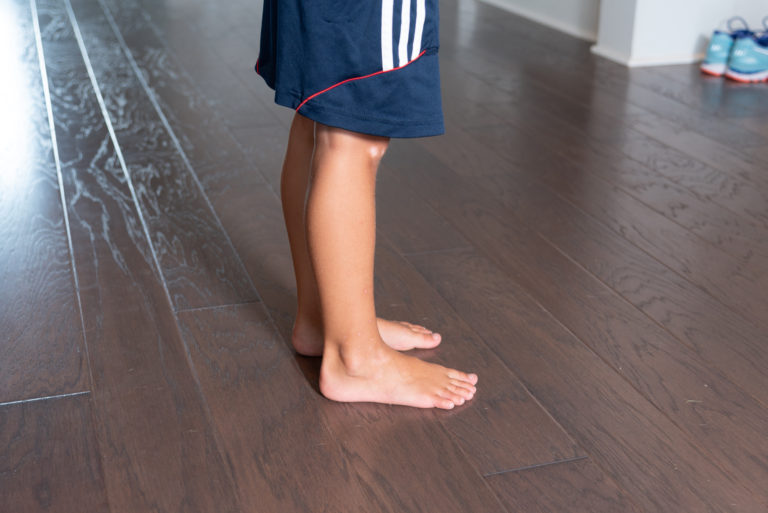
As children are learning to walk, they will explore various ways to walk, including heel and toe walking. Toe walking can be a harmless part of the exploratory nature of the child and is typically seen under the age of 2.  But, if toe walking persists past 2-years-old or is the primary form of walking at any age, it can lead to future difficulties and impairments, such as decreased range of motion leading to contractures and possible surgery and should be addressed with your child’s pediatrician. Physical therapy can help to address your child’s toe-walking to increase strength, range of motion, gait pattern, and help prevent future impairments.  In the meantime, here are some tips to help your child if he is demonstrating toe walking behaviors:

Tip #1

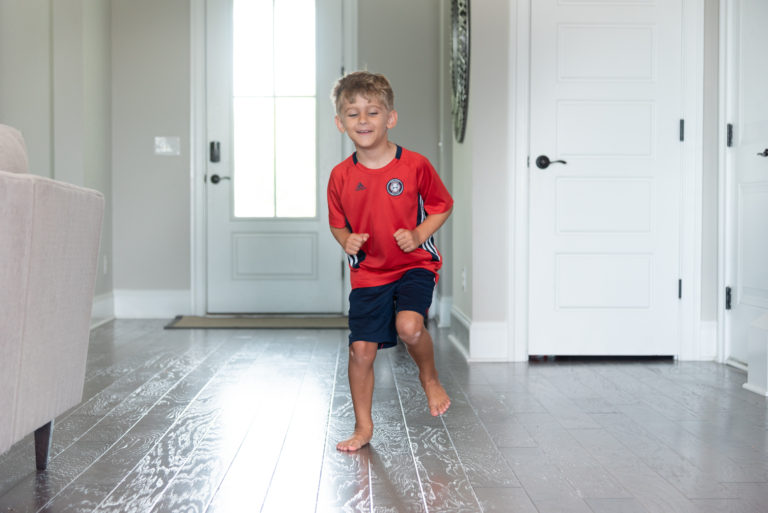
Cue your child to walk with flat feet any time you see tip-toe walking!  Cues such as “heel-toe” or “flat feet” with a visual demonstration for your child are most helpful.  Reward systems or stickers can be a great motivator to promote improved walking!


Tri County Therapy | Children's PT, Therapy, Kids Therapy, Charleston, Greenville, Pediatric Therapy, Motor Skills, toe walking, development skills, PT, OT, ST     

Tip #2

Walking on uneven surfaces such as up hills, on ramps, through grass or sand, and on playground equipment for improved balance.  Have your child “freeze” while walking up the hill/ramp to promote a static stretch for 20-30 seconds and make it into a game to help stretch the tight muscles in the back of the legs!

Tri County Therapy | Children's PT, Therapy, Kids Therapy, Charleston, Greenville, Pediatric Therapy, Motor Skills, toe walking, development skills, PT, OT, ST

Tip #3

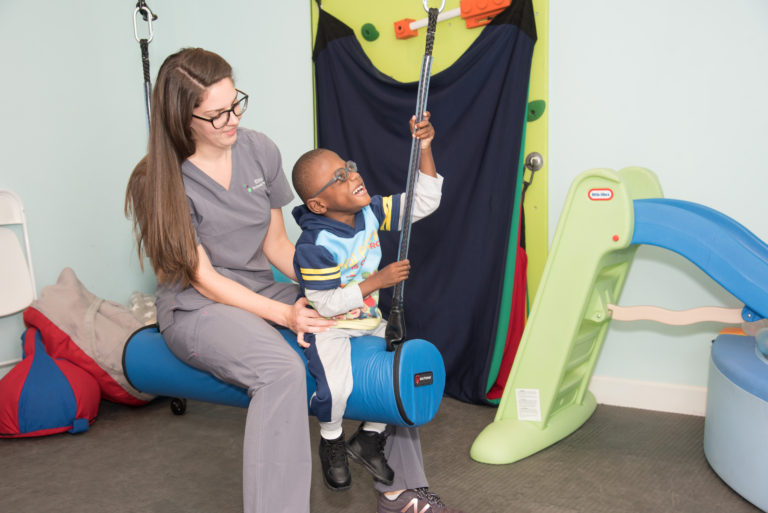
Animal/character walks can be so much fun! Have your child walk backwards, waddle like a duck or penguin, jump like a frog, crawl like a crab or bear!  Each walk encourages the child to achieve improved movement at the ankle joint to promote a flat foot position, while having fun!

Tri County Therapy | Children's PT, Therapy, Kids Therapy, Charleston, Greenville, Pediatric Therapy, Motor Skills, toe walking, development skills, PT, OT, ST

Tip #4

Let your child walk in your adult-sized shoes or flippers!  This helps to encourage a heel-first stepping pattern and flat foot contact when walking.  It’s also fun for the child to play and be silly while encouraging improved walking!

      Tri County Therapy | Children's PT, Therapy, Kids Therapy, Charleston, Greenville, Pediatric Therapy, Motor Skills, toe walking, development skills, PT, OT, ST    


Thank you for reading, Red Flags During Motor Development: Toe Walking.

 Kimberly Shanahan PT, DPT

Lead Physical Therapist

Tri-County Therapy
Tri County Therapy | Children's PT, Therapy, Kids Therapy, Charleston, Greenville, Pediatric Therapy, Motor Skills, toe walking, development skills, PT, OT, ST, Kimberly Shanahan

SaveSave

SaveSave

SaveSave

SaveSave

Read More

Red Flags During Motor Development: W-Sitting

September 4, 2018Tri-County TherapyBlogcore strengthgross motoroccupational therapypediatric therapyPhysical developmentphysical therapyPTspeech therapyw-sitting
Red Flags During Motor Development: W-Sitting

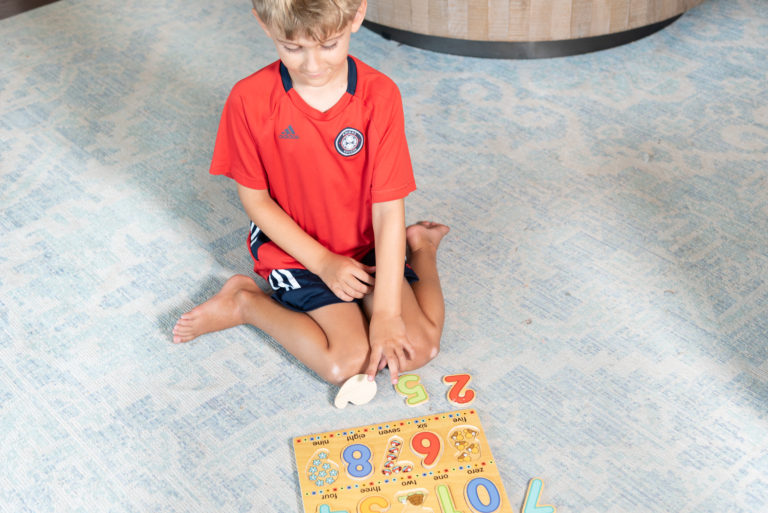
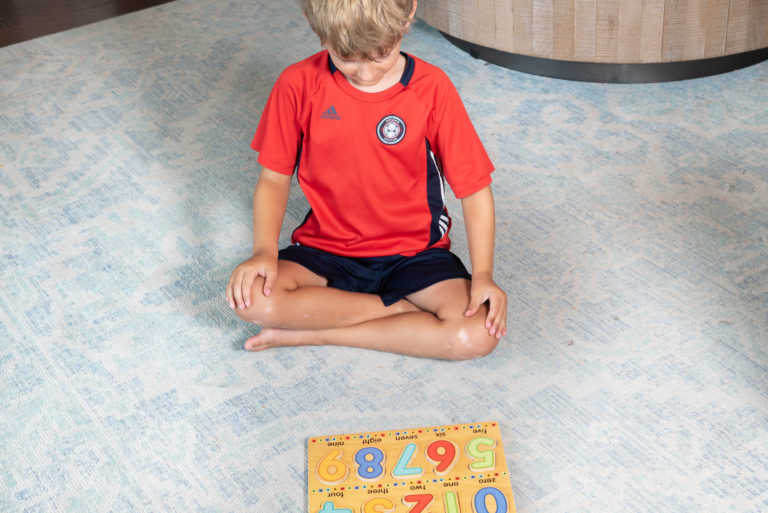
As children, many of us sat in what is considered a “W” position.  This is when children sit on the floor with feet turned out to the sides forming a W-shape with their legs and knees. W-sitting is typically seen when children are transitioning from crawling to sitting and vice versa. As innocent as it seems, W-sitting for long periods of time can cause many long-term problems including poor posture, abnormal hip positioning, increased risk for hip dislocation, impaired balance, in-toeing walking pattern, and frequent tripping.  If you child is unable to sit in a side sit or crisscross position, talk to your pediatrician about further screening and physical therapy services. Physical therapy will address your child’s individual impairments such as poor posture, core weakness, atypical hip positioning, hip weakness, poor balance, and more to improve sitting posture, balance, and coordination!

Tri County Therapy | Children's PT, Therapy, Kids Therapy, Charleston, Greenville, Pediatric Therapy, Motor Skills, W Sitting, PT, OT, ST             Tri County Therapy | Children's PT, Therapy, Kids Therapy, Charleston, Greenville, Pediatric Therapy, Motor Skills, W Sitting, PT, OT, ST

 If you notice your child is frequently W-sitting, try these tips below to help:

Tip #1

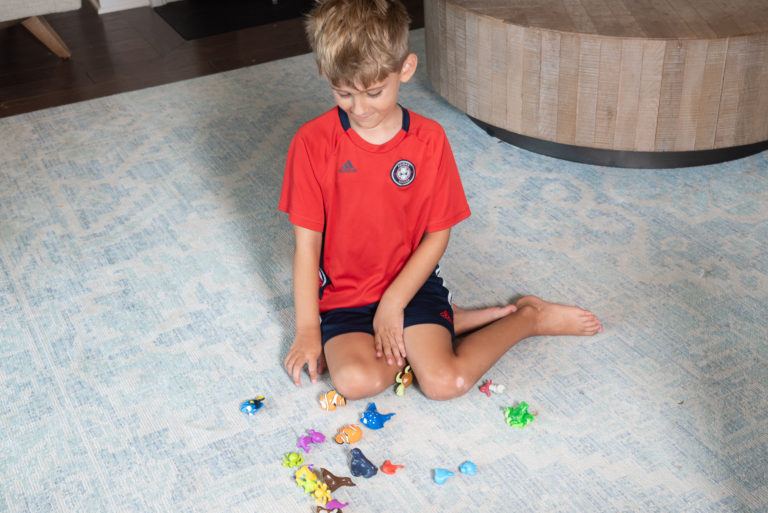
Set aside time in the day specifically for floor-play and activities, whether that is reading, watching a movie, or doing a puzzle and encourage crisscross sitting during this time. The more time your child spends out of w-sit and in a crisscross position, the more comfortable he/she will become in the position and help to break the habit!


Tri County Therapy | Children's PT, Therapy, Kids Therapy, Charleston, Greenville, Pediatric Therapy, Motor Skills, W Sitting, PT, OT, ST

Tip #2

Spend time playing in side-sitting for 20-30 minutes a day, such as when playing with blocks, cars, or playdough. Side-sitting helps to discourage w-sitting, but may be more comfortable for your child as he or she is learning to sit with better leg positioning!

Tri County Therapy | Children's PT, Therapy, Kids Therapy, Charleston, Greenville, Pediatric Therapy, Motor Skills, W Sitting, PT, OT, ST

Tip #3

Work on core (trunk) strength and coordination with fun animal walks! When playing inside or outside have your child walk like an animal such as a bear, crab, alligator, or inch worm. This will help your child improve his/her arm, leg, and core strength, as well as improve coordination and body awareness in a fun and unique way!

Tri County Therapy | Children's PT, Therapy, Kids Therapy, Charleston, Greenville, Pediatric Therapy, Motor Skills, W Sitting, PT, OT, ST


Thank you for reading, Red Flags During Motor Development: W-Sitting.

 Kimberly Shanahan PT, DPT

Lead Physical Therapist

Tri-County Therapy
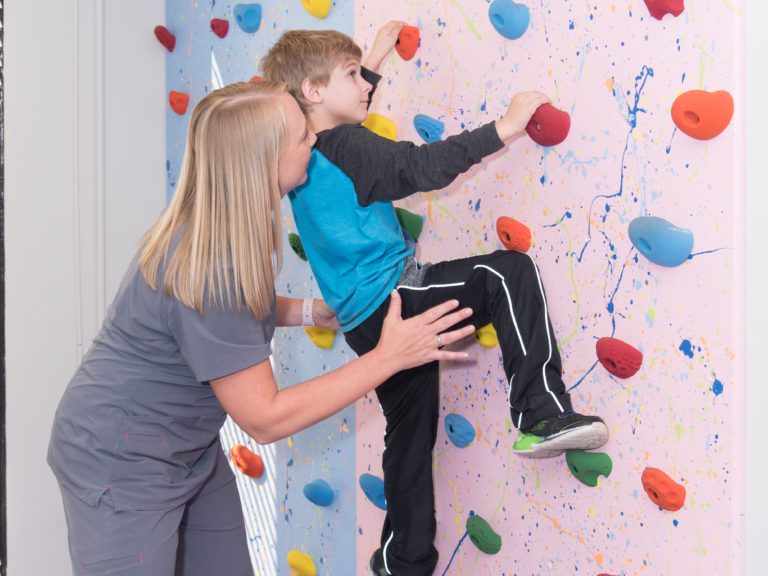
Tri County Therapy | Children's PT, Therapy, Kids Therapy, Charleston, Greenville, Pediatric Therapy, Motor Skills, W Sitting, PT, OT, ST, Kimberly Shanahan

SaveSave

SaveSave

SaveSave

SaveSave

Read More

Most Recent Blog Posts

  • Answering Questions About The R Sound Sep 21

    Answering Questions About The R Sound   Does your child...

  • Infant Sitting Tips Jul 28

    Infant Sitting Tips By: Hope James, PT, DPT Sitting briefly with...

  • Warming Up To The Playground Jul 21

    Warming Up To The Playground By: Hope James, PT, DPT...

  • Ideas For Beach Day Play Jul 14

    Beach Day Play By: Hope James, PT, DPT Summer time...

Post Categories & Links

age 3 articulation autism bear theme bedtime buttons camping theme core strength costumes cutting distractions feeding difficulties feeding therapy fine motor fine motor toys first words gift ideas grasp gross motor Halloween handwriting lacing language language development occupational therapy OT pediatric therapy Physical development physical therapy picky eating problem eater PT S.O.S schedule sensory sensory processing snaps social skills speech therapy speech therapy toys therapy toys therapy tunnel toys tracing trick-or-treat

Recent Posts

  • Answering Questions About The R Sound
  • Infant Sitting Tips
  • Warming Up To The Playground
  • Ideas For Beach Day Play
  • Ideas For A New Walker

Recent Comments

    Archives

    • September 2022
    • July 2022
    • June 2021
    • January 2021
    • November 2020
    • April 2019
    • March 2019
    • February 2019
    • January 2019
    • December 2018
    • November 2018
    • October 2018
    • September 2018
    • August 2018
    • July 2018
    • June 2018
    • May 2018
    • April 2018

    Categories

    • Blog
    • Uncategorized

    Meta

    • Log in
    • Entries feed
    • Comments feed
    • WordPress.org

    Service Locations

    Natural Environment

    Preschools & Daycares

    Office Locations


    Contact

    Phone: 888-510-6369

    Fax: 843-277-6237

    Email 

    Careers

    Career Opportunities!


    Search Our Site:

    Copyright ©2016 all rights reserved
    Powered by Tri-County Therapy