HealthFlex
×
  • About
    • Our Team
    • About Us
    • Insurances Accepted
    • What Matters To Us
    • Locations
    • Contact Us
  • Our Services
    • Enroll In Therapy
    • Formularios de Inscripción en Español
    • School Screening
    • BabyNet Referral Inquiry
    • Feeding Therapy
    • Occupational Therapy
    • Physical Therapy
    • Speech Language Pathology
    • Privacy Policy
  • Resources
    • Therapy Tips
    • Records Request
    • Developmental Milestones
      • Articulation & Phonology
      • Feeding
      • Fine Motor
      • Gross Motor
      • Expressive Language
      • Receptive Language
      • Sensory Development
      • Social Skills
    • Physician Referrals
    • Blog
  • Join Our Team!
    • Student Learning

Sensory Processing: Multi-Sensory Input

April 26, 2019Tri-County TherapyBlogoccupational therapyOTpediatric therapyphysical therapysensory processing
Sensory Processing: Multi-Sensory Input

Sensory Processing: Multi-Sensory Input

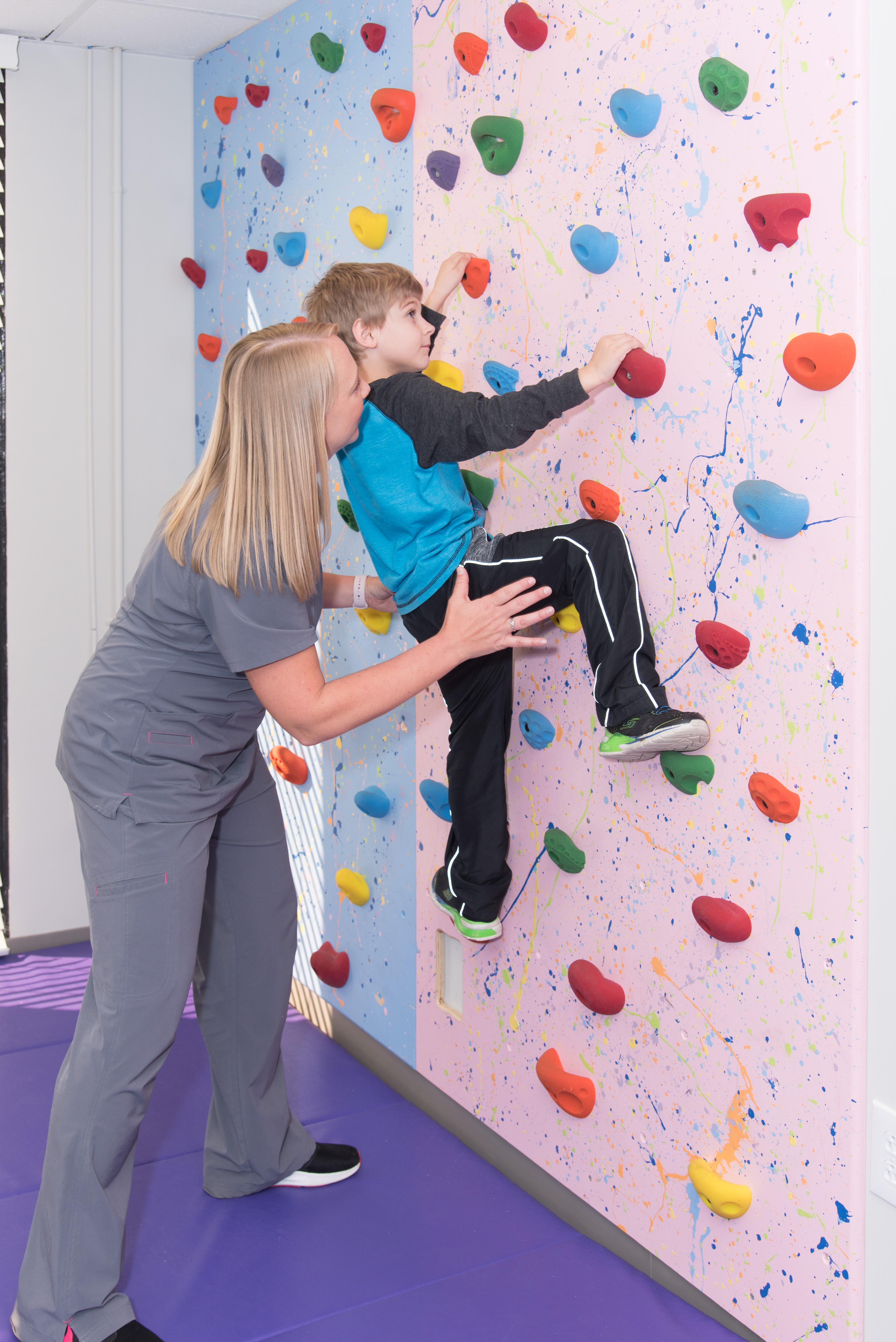
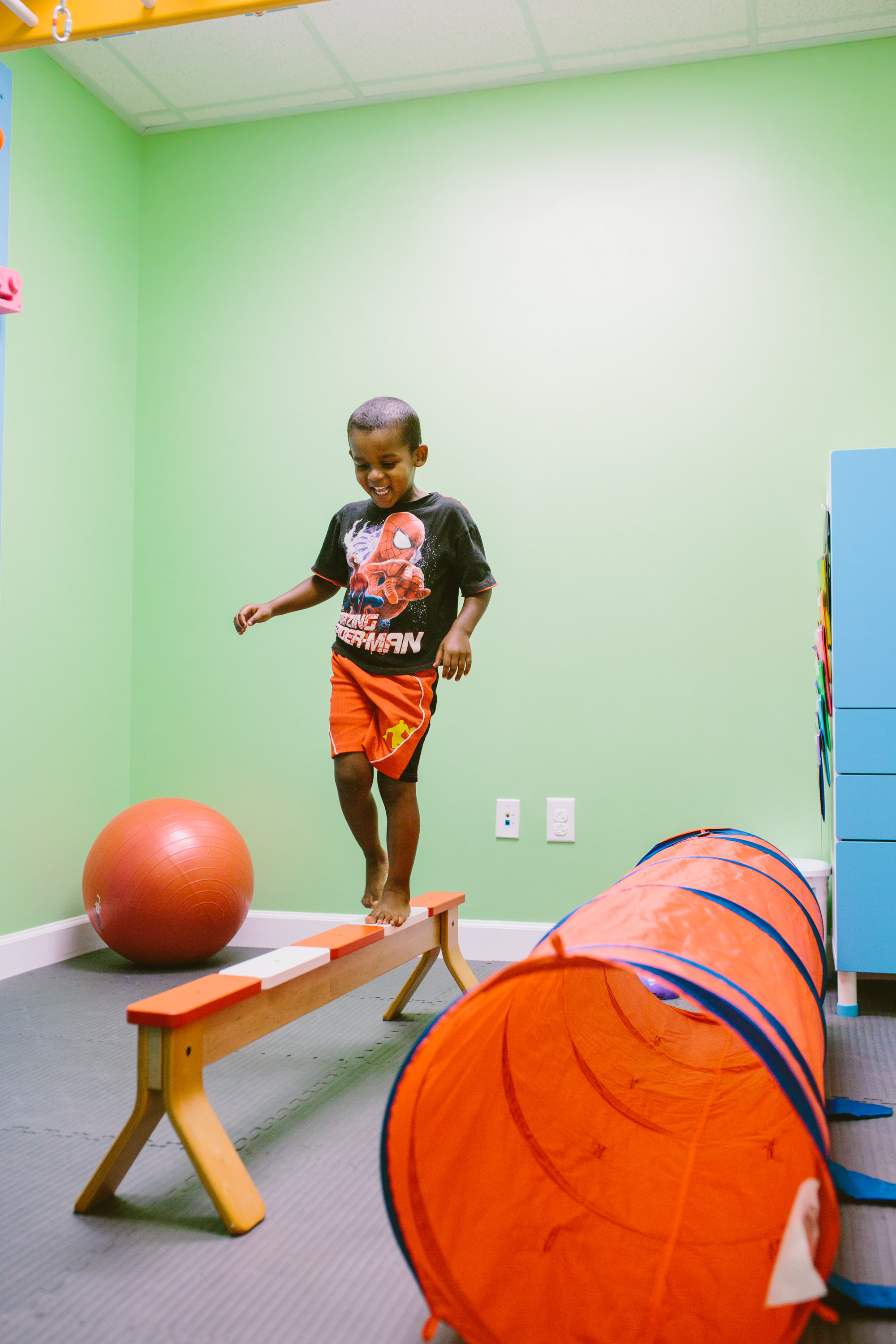
Now let’s put it all together and have some fun!! Obstacle courses are a great way to provide your kiddo with various types of sensory input at home!  What you’ll need: something soft to “crash” on, something to walk across requiring balance, something with weight, something to crawl under, something to jump on, something to push, and some place to spin. Tri County Therapy, Speech Therapy, Occupational Therapy, Physical Therapy, Greenville, Charleston
Tri County Therapy, Speech Therapy, Occupational Therapy, Physical Therapy, Greenville, Charleston

Get creative and have your little one help as well!  Pillows work great for crashing.  Try filling a bookbag with canned goods to have your child carry through parts of the course.  If you don’t have a swing nearby, help your child spin in standing a few times and then see if he can regain balance to complete the course.  Can he remember each step without needing to be reminded? 
 

SaveSave

SaveSave

SaveSave

SaveSave

Read More

Sensory Processing: Proprioception

April 19, 2019Tri-County TherapyBlogoccupational therapyOTpediatric therapyphysical therapysensory processing
Sensory Processing: Proprioception

Sensory Processing: Proprioception

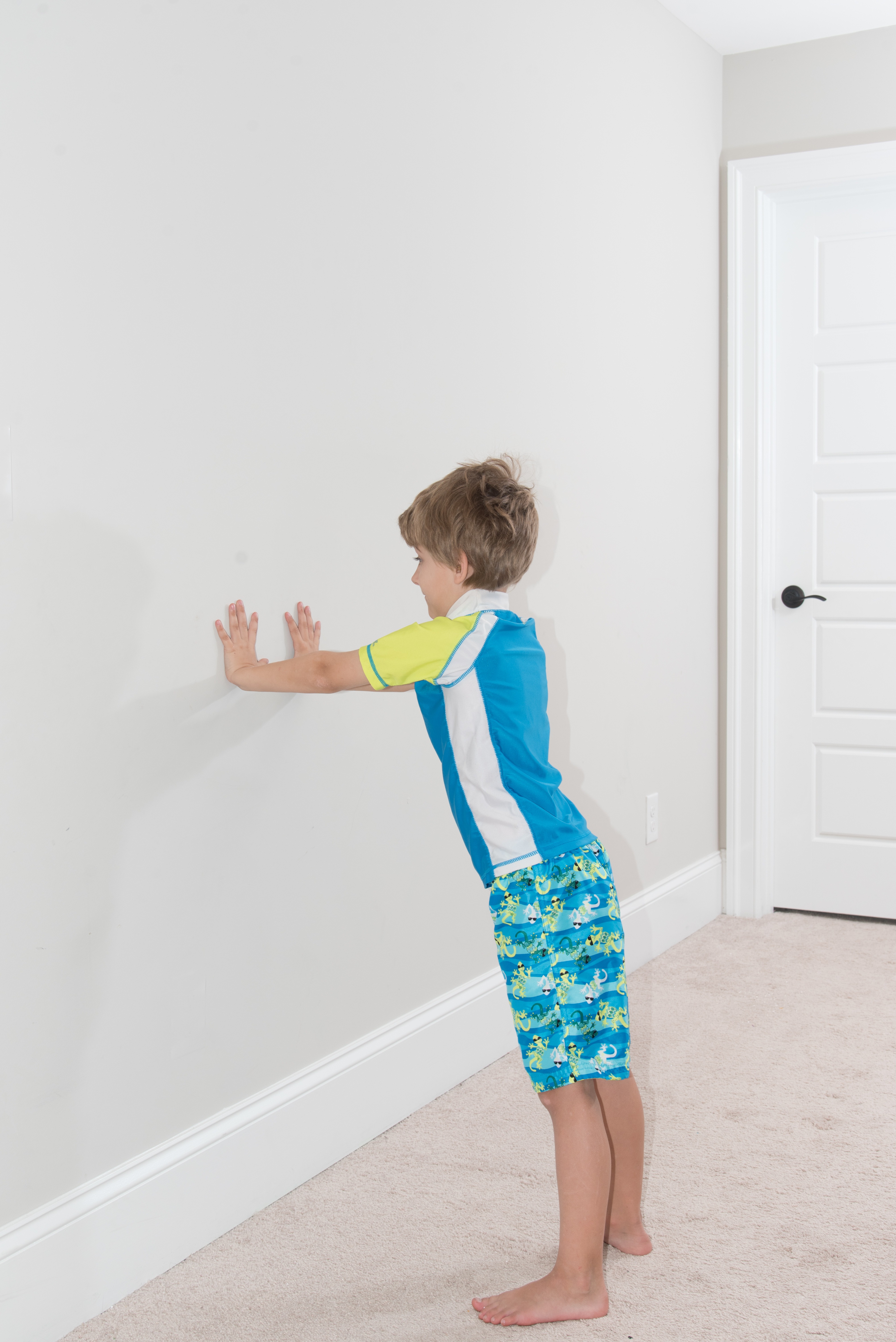
Are you able to close your eyes and touch your nose with the tip of your finger?  You can thank your proprioceptive system for this!  This sensory system is responsible for sensing where our body is in relation to its surroundings.  Having impaired proprioceptive processing can cause children to both seek and avoid deep pressure activities. Kids with low proprioceptive awareness may appear lazy, clumsy, or uncoordinated, while kids that seek input tend to enjoy rough play, use too much force with daily tasks, and can be described as being aggressive. 

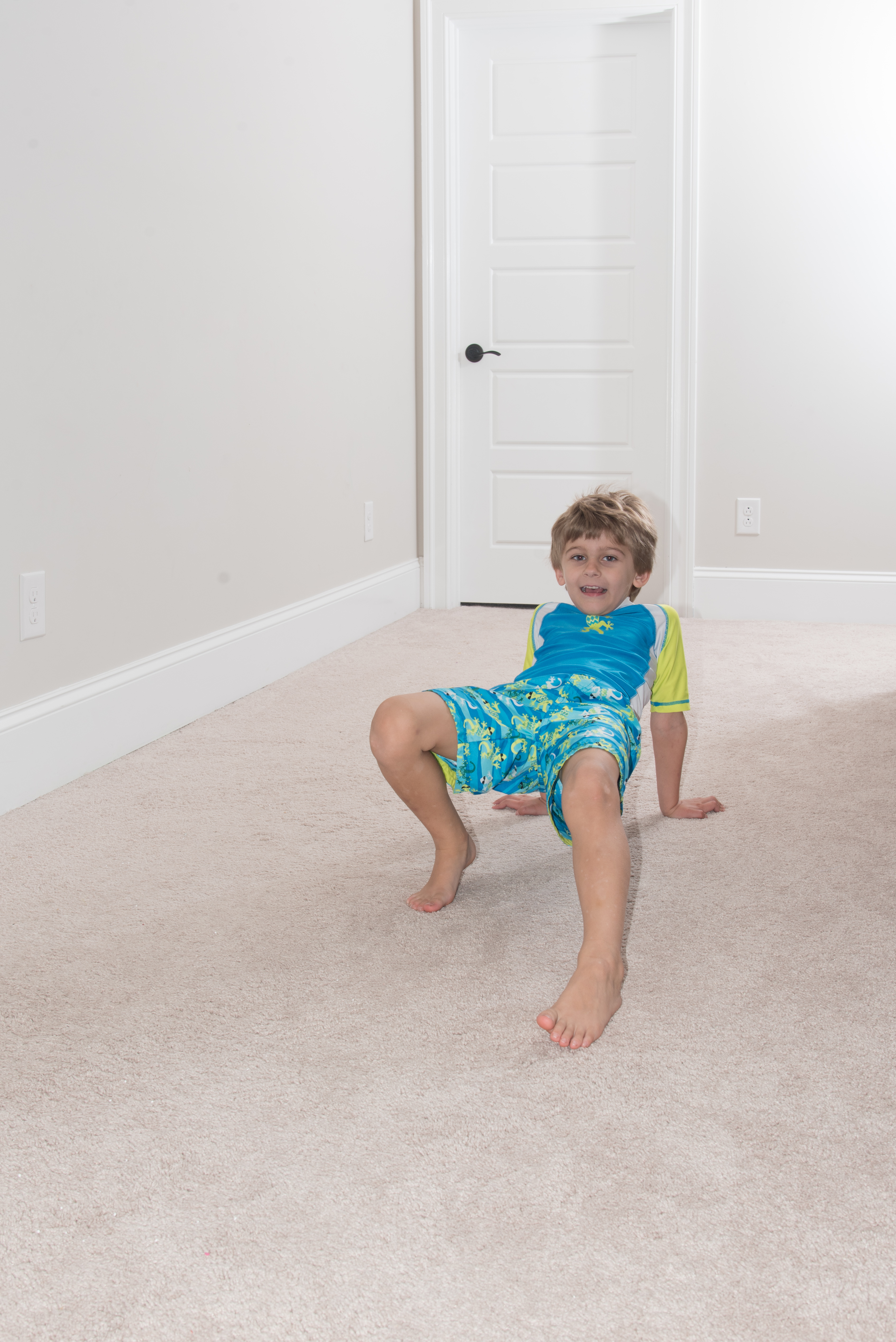
Including ‘heavy work’ activities in your child’s routine is very important!  Animal walks are an easy place to start and a great way to provide input.  Try bear walks, crab walks, and frog jumps with your child!! 

 Tri County Therapy, Physical Therapy, Speech Therapy, Pediatric Therapy, Occupational Therapy, Charleston, Greenville

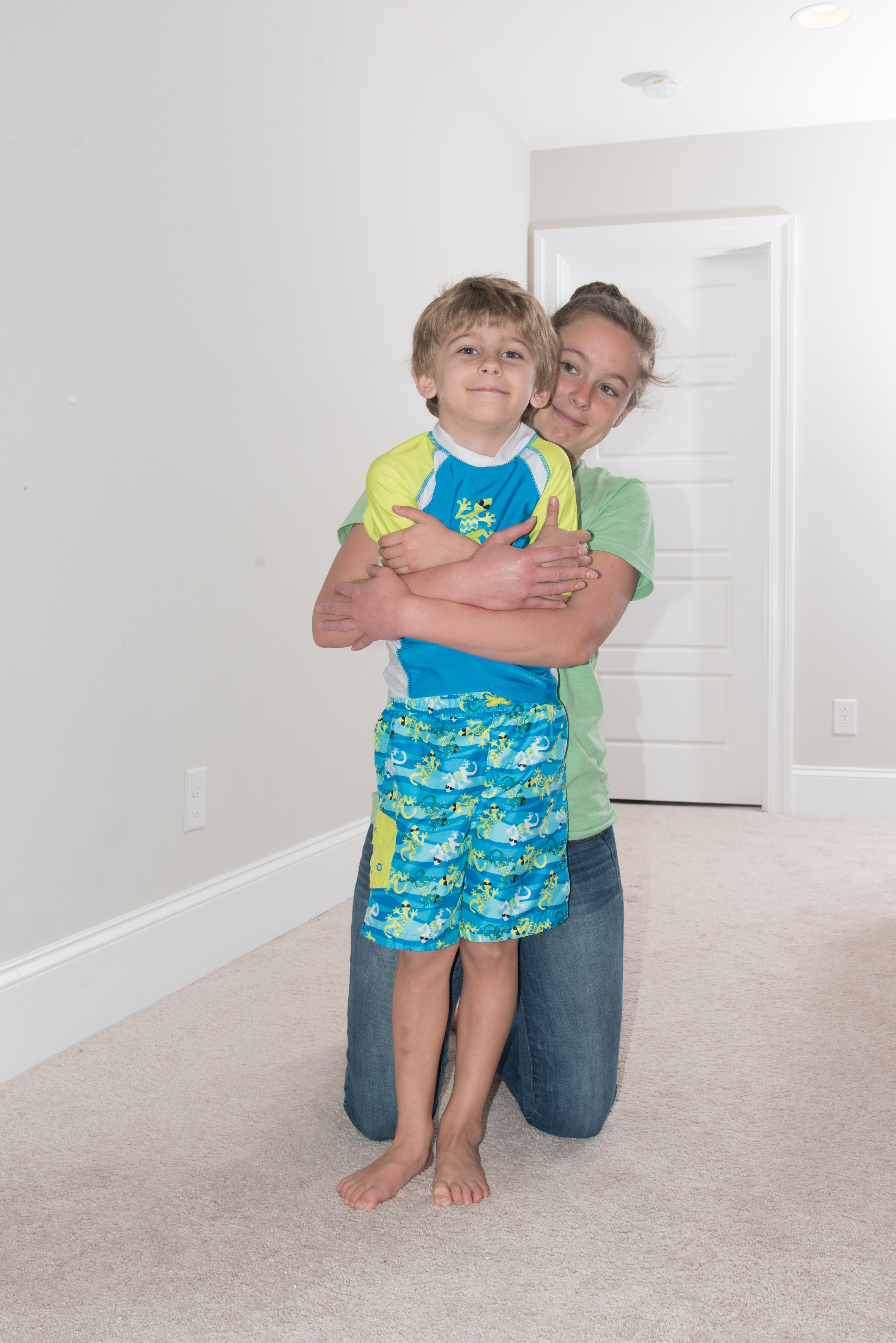
Bear hugs are quick way to provide input through your child’s upper body and core.  These can be very calming and organizing for lots of our little pressure seekers!    

Tri County Therapy, Physical Therapy, Speech Therapy, Pediatric Therapy, Occupational Therapy, Charleston, Greenville

Have your child lay on his tummy to play games or watch a show.  This allows for maintained input through his upper body and encourages activation of his core which are both great forms of proprioceptive input! 

Tri County Therapy, Physical Therapy, Speech Therapy, Pediatric Therapy, Occupational Therapy, Charleston, Greenville

SaveSave

SaveSave

SaveSave

SaveSave

Read More

Sensory Processing: Vestibular

April 12, 2019Tri-County TherapyBlogoccupational therapyOTpediatric therapyphysical therapysensory processing
Sensory Processing: Vestibular

Sensory Processing: Vestibular

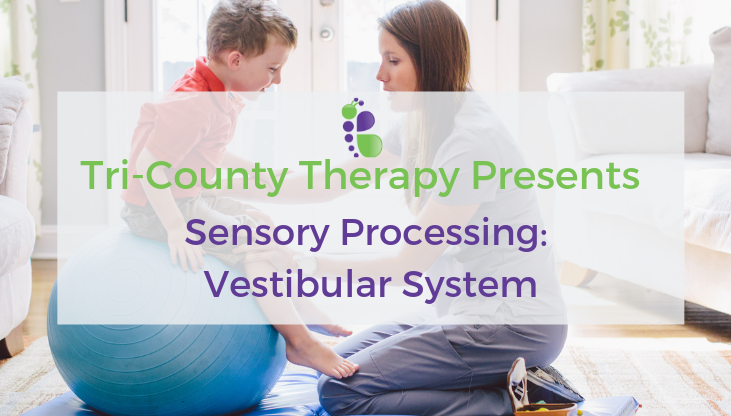
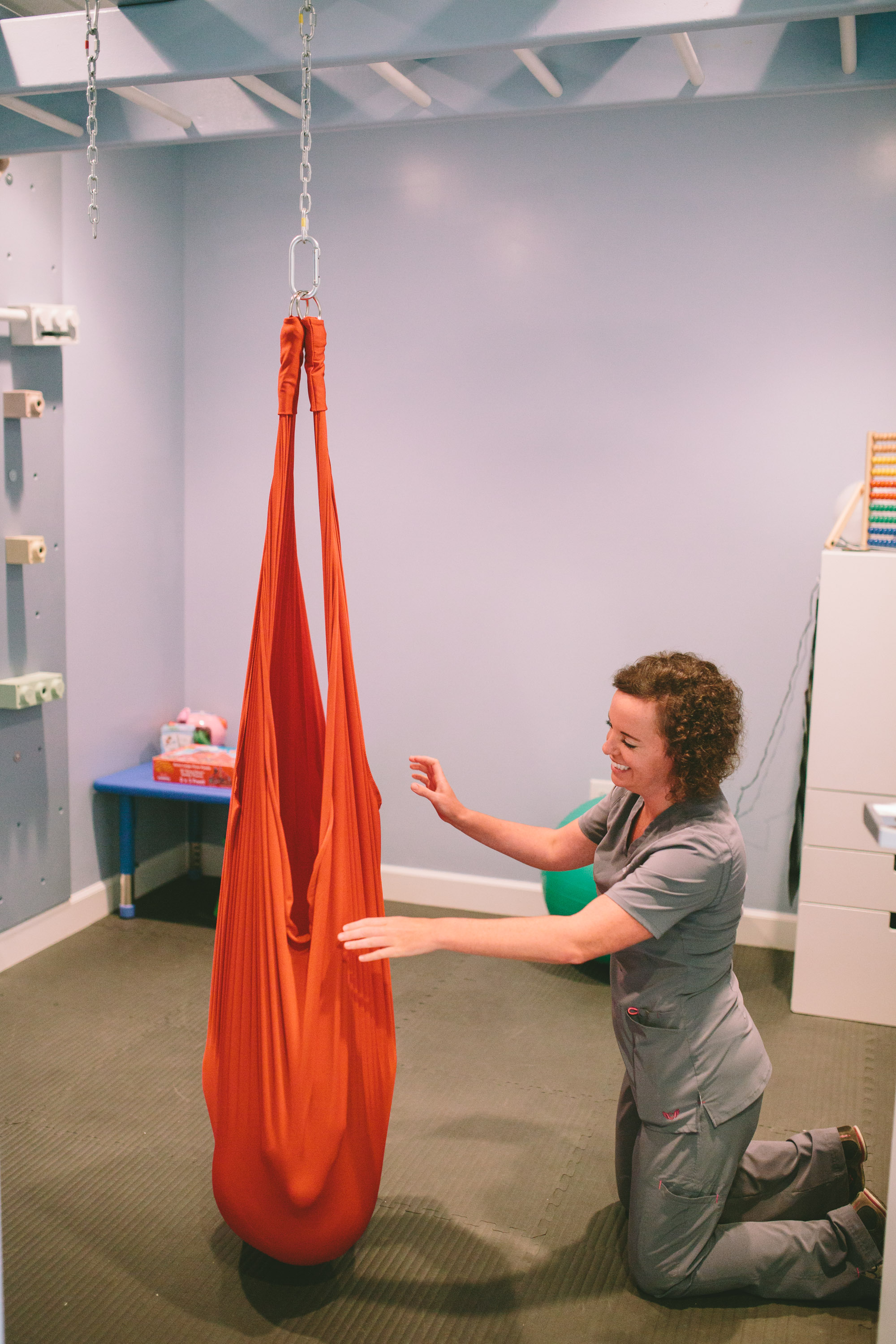
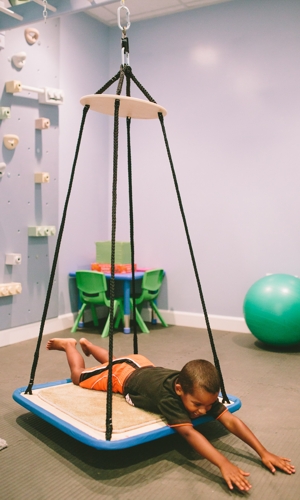
The vestibular system is our sense of movement and the mechanisms that control the vestibular system are located in the inner ear.  Kiddos that display vestibular-seeking behaviors may be described as ‘always in constant motion’, ‘a thrill seeker’, or even ‘never gets dizzy.’  On the other hand, those that avoid vestibular input may be fearful of playground equipment, become carsick easily, or dislike being picked up. 

Tri County Therapy | Physical Therapy, Speech Therapy, Occupational Therapy, Pediatric Therapy, Greenville, Charleston

Looking for some SAFE activities to provide your little wild one with the input he’s seeking?   Have your child hang upside down!  You can have them hang from monkey bars, hang their head off the couch, or hold them in your arms and tip them backwards.  Remember to only go as far as the child is comfortable. 

Tri County Therapy | Physical Therapy, Speech Therapy, Occupational Therapy, Pediatric Therapy, Greenville, Charleston


If your little one is fearful, take it slow by having him try sitting on a large ball with his feet off the floor.  Will he tolerate some slow rocking?  Will he roll over the ball on his tummy?  Bouncing? 

Tri County Therapy | Physical Therapy, Speech Therapy, Occupational Therapy, Pediatric Therapy, Greenville, Charleston 

Every sensory system is unique so be sure to take it slow and consult your OT for specific strategies that may work best for you! 

SaveSave

SaveSave

SaveSave

SaveSave

Read More

Sensory Processing: Oral Sensory Seekers

April 5, 2019Tri-County TherapyBlogoccupational therapyOTpediatric therapyphysical therapysensory processing
Sensory Processing: Oral Sensory Seekers

Sensory Processing: Oral Sensory Seekers

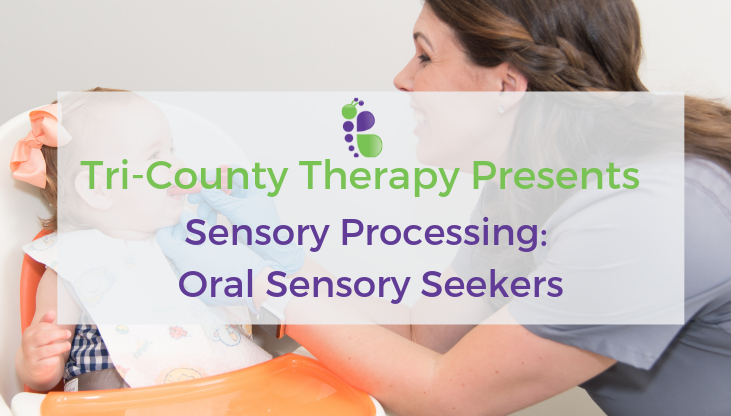
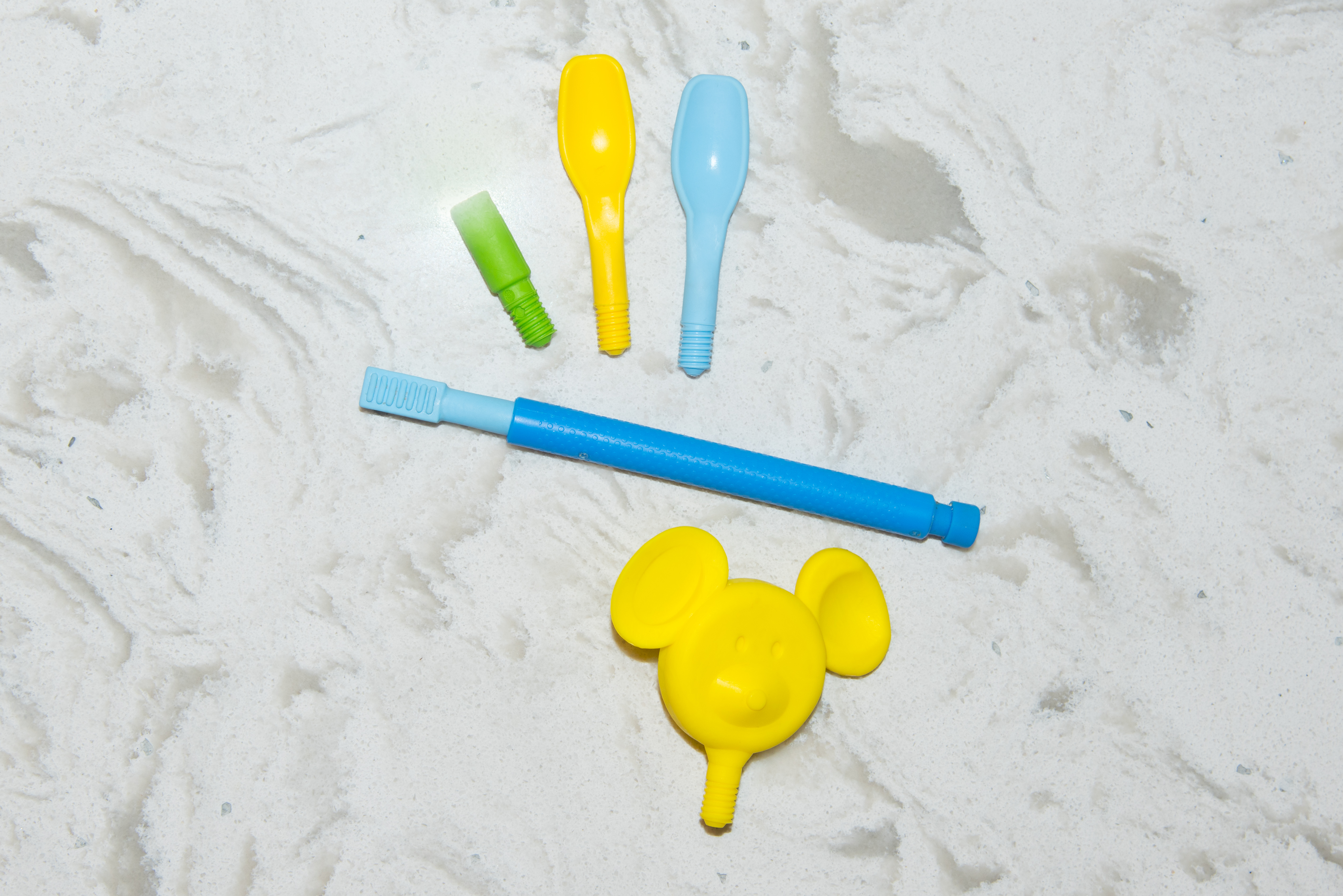
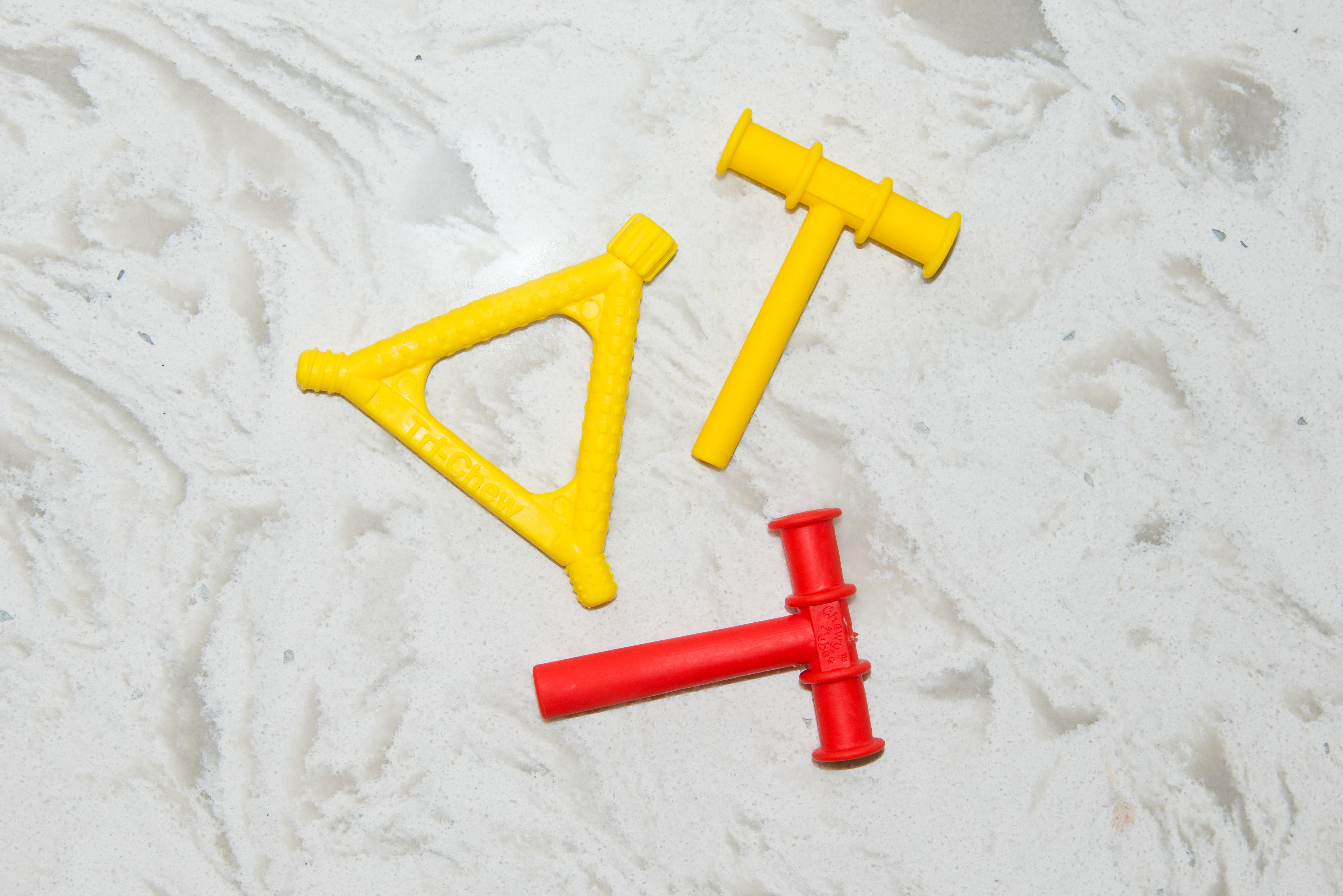
Does your child tend to put everything in his mouth?  Likely, he is trying to calm himself with oral input but don’t worry- here are lots of safe strategies you can try at home to help him regulate! 

Be sure to offer chewy snacks throughout the day, including fruit snacks, gummies, or even chewing gum (if able to manage).  Crunchy foods such as pretzel sticks, carrots, and celery are all great options to provide heavy work through the jaw. 

  Tri County Therapy | Chew Toys, Oral Processing, Therapy, Pediatric Therapy, Physical Therapy, Occupational Therapy, Speech Therapy

Resistive sucking is a great strategy for providing oral proprioceptive input.  Try using a water bottle or even curly straws!  

Tri County Therapy | Chew Toys, Oral Processing, Therapy, Pediatric Therapy, Physical Therapy, Occupational Therapy, Speech Therapy

Blowing!  Have your child blow bubbles or have a cotton ball race with straws! 

Tri County Therapy | Chew Toys, Oral Processing, Therapy, Pediatric Therapy, Physical Therapy, Occupational Therapy, Speech Therapy

Chewelry is a great option if you find your child benefits from a readily available tool!

SaveSave

SaveSave

SaveSave

SaveSave

Read More

Sensory Processing: Tactile Play

March 29, 2019Tri-County TherapyBlogoccupational therapyOTpediatric therapyphysical therapysensory processing
Sensory Processing: Tactile Play

Sensory Processing: Tactile Play

Our tactile systems help us interpret everything related to our sense of touch, including textures, temperatures, vibration, pressure, and pain.  Development of a child’s tactile system has a huge impact on his daily experiences.  A healthy tactile system makes gaining independence with grooming, bathing, and dressing tasks fun!  A few common tactile-avoiding behaviors are listed below: 

Avoids certain textures or clothing 

Dislikes being messy 

Avoids hugs or physical contact 

Toe walking 

Refusal to walk barefoot 

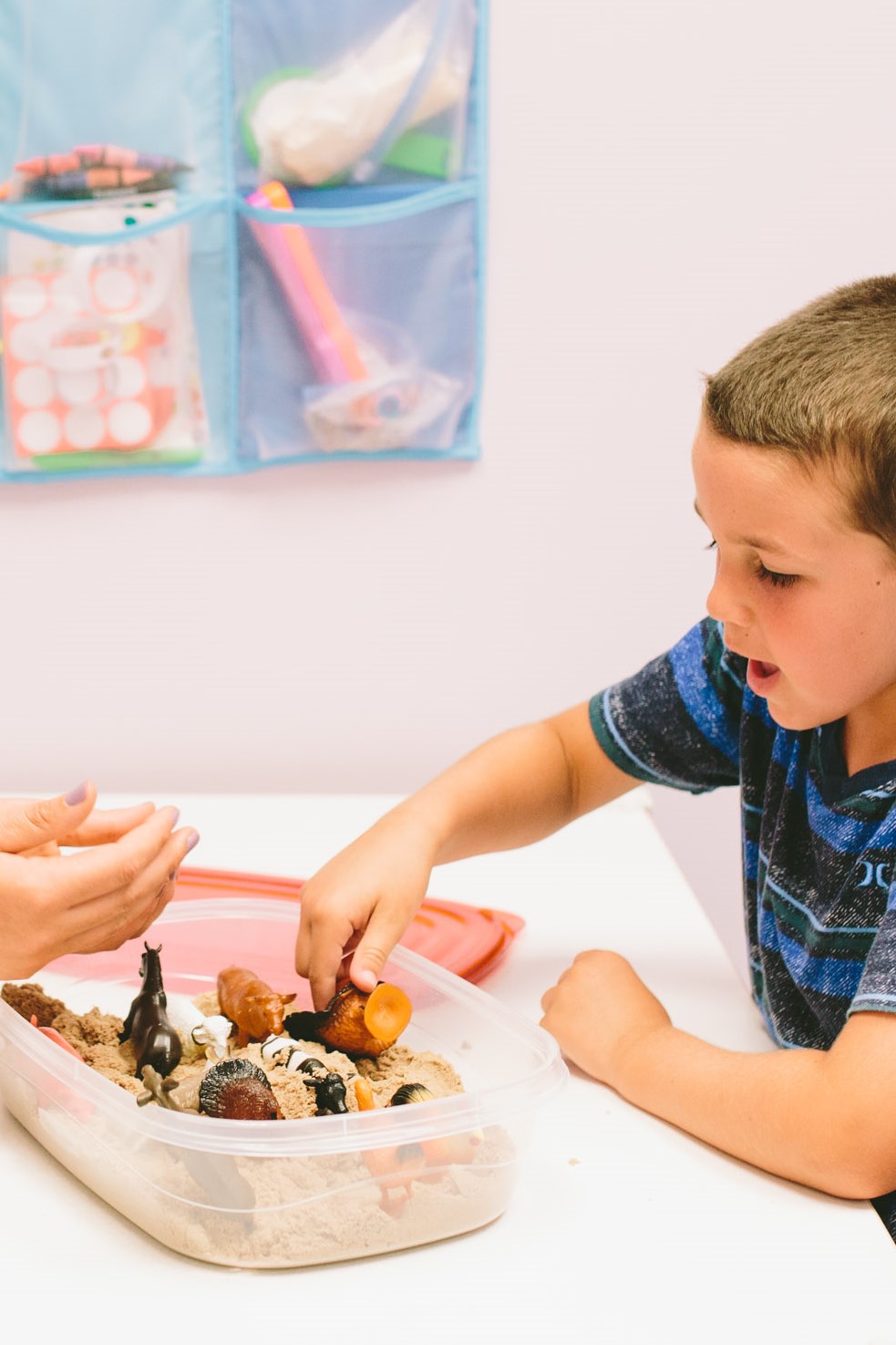
Try making dry sensory bins filled with rice, flour, beans, or corn.  Have your child scoop and pour with cups, spoons, and shovels or hide small toys! 

  Tri County Therapy | Physical Therapy, Sensory Processing, Sensory Disorders, therapy, childrens therapy, pediatric therapy

Sensory dough is great for hand strengthening, as well as tactile play!  See if your child can make a worm, ball, or even bird’s nest out of playdough, cloud dough, and moon sand. 

 Tri County Therapy | Pediatric Therapy, Occupational Therapy, Physical Therapy, Speech Therapy, Sensory Processing

Messy play can be a bit more challenging for some kiddos.  Try painting with finger paint, shaving cream, even pudding.  If your child is upset by having his hands messy, start out with a paintbrush or even a glove… baby steps! 

SaveSave

SaveSave

SaveSave

SaveSave

Read More

Toys for Motivating Infants to Roll and Sit

March 22, 2019Tri-County TherapyBlogoccupational therapyOTpediatric therapyphysical therapysensory processing
Toys for Motivating Infants to Roll and Sit

Toys vary based on the age and targeted activity for the child.  For infants beginning to work on rolling and sitting, musical, light up toys are always a favorite!  Entertainment is always needed when performing tummy time which a child, as most children do not initially enjoy placement in this position, but it is vital to development.  Anything that can distract a child in these positions is beneficial, usually music and lights are favorites and promote calming or distraction from the challenge.  Some great toys to use include:  

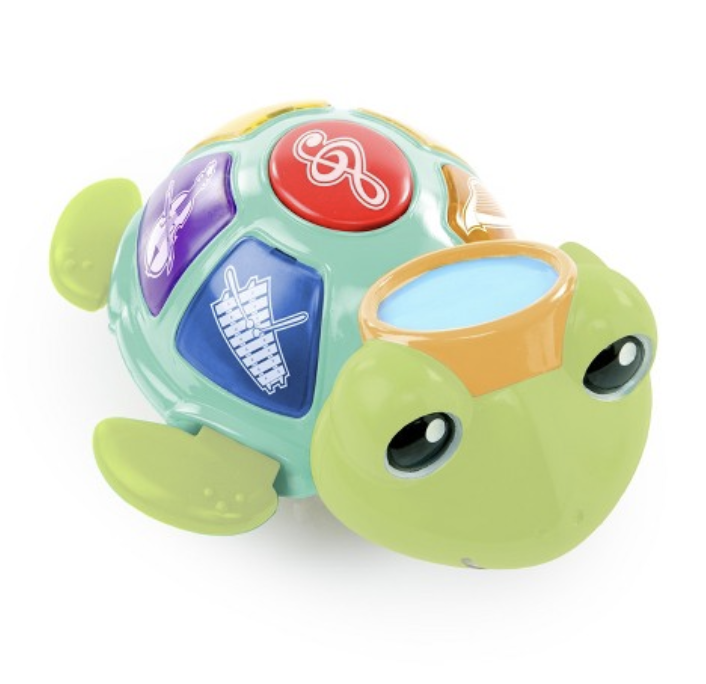
1. Baby Einstein Turtle – this adorable turtle plays calming music for a fussy baby disliking tummy time, encourages visual tracking with its bright flashing lights, and encourages reaching to activate the music/lights with a hand. Tri-County Therapy, Blog, Baby Toy


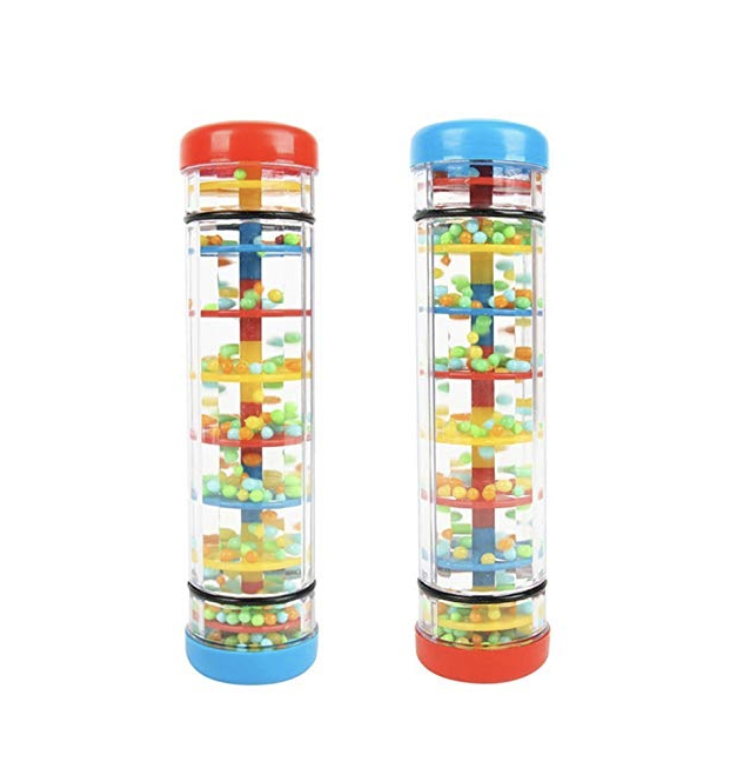
2. Rattle Shaker Toy – this simple toy mimics a rattle sound when shaken, but also provides a soothing, rainlike sound when placed on its end.  Babies enjoy reaching for this toy, knocking it over, and rolling or reaching for it when it rolls just beyond their reach.  It is also a great toy for teethers who want to pick everything up and put it against their gums. 

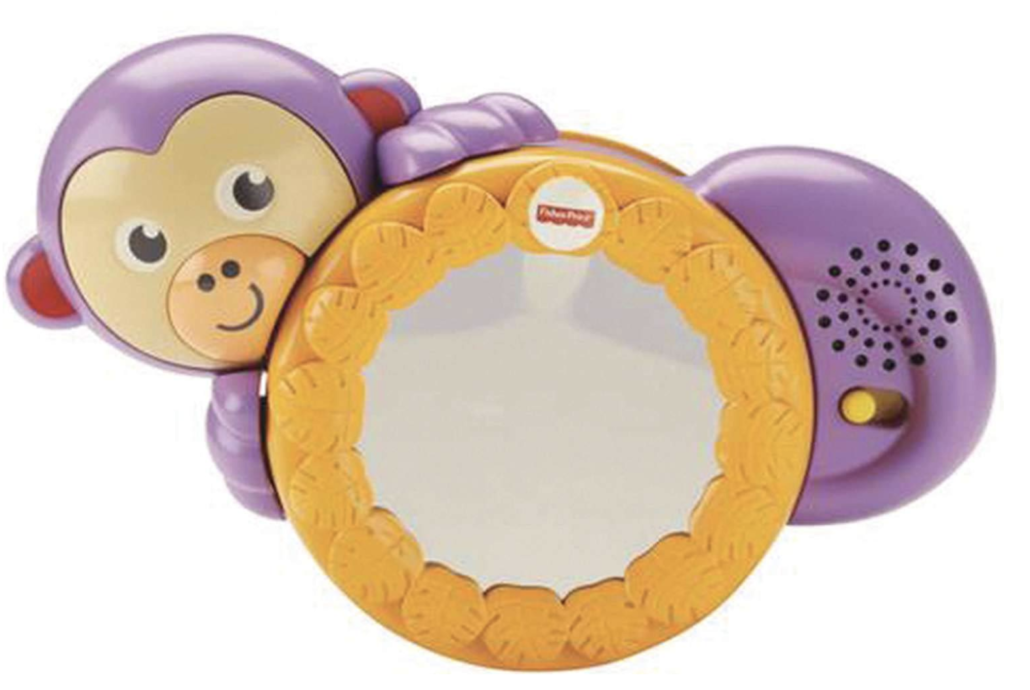
Tri-County Therapy, Toy Club, Rattle, Kids Toy, Rattle Shaker3. Laughing Monkey Toy – this laughing monkey entertains babies with his silly sounds and ability to roll in every direction.  The monkey shifts back and forth over the ball, as well as  rolls in circles to encourage rolling and reaching beyond a child’s comfort zone in sitting. 

Tri-County Therapy, Toy Club, Rattle, Kids Toy, Rattle Shaker

Read More

  • 1
  • 2
  • 3
  • 4
  • 5
  • 6
  • 7
  • 8
  • 9
  • Next

Most Recent Blog Posts

  • Answering Questions About The R Sound Sep 21

    Answering Questions About The R Sound   Does your child...

  • Infant Sitting Tips Jul 28

    Infant Sitting Tips By: Hope James, PT, DPT Sitting briefly with...

  • Warming Up To The Playground Jul 21

    Warming Up To The Playground By: Hope James, PT, DPT...

  • Ideas For Beach Day Play Jul 14

    Beach Day Play By: Hope James, PT, DPT Summer time...

Post Categories & Links

age 3 articulation autism bear theme bedtime buttons camping theme core strength costumes cutting distractions feeding difficulties feeding therapy fine motor fine motor toys first words gift ideas grasp gross motor Halloween handwriting lacing language language development occupational therapy OT pediatric therapy Physical development physical therapy picky eating problem eater PT S.O.S schedule sensory sensory processing snaps social skills speech therapy speech therapy toys therapy toys therapy tunnel toys tracing trick-or-treat

Recent Posts

  • Answering Questions About The R Sound
  • Infant Sitting Tips
  • Warming Up To The Playground
  • Ideas For Beach Day Play
  • Ideas For A New Walker

Recent Comments

    Archives

    • September 2022
    • July 2022
    • June 2021
    • January 2021
    • November 2020
    • April 2019
    • March 2019
    • February 2019
    • January 2019
    • December 2018
    • November 2018
    • October 2018
    • September 2018
    • August 2018
    • July 2018
    • June 2018
    • May 2018
    • April 2018

    Categories

    • Blog
    • Uncategorized

    Meta

    • Log in
    • Entries feed
    • Comments feed
    • WordPress.org

    Service Locations

    Natural Environment

    Preschools & Daycares

    Office Locations


    Contact

    Phone: 888-510-6369

    Fax: 843-277-6237

    Email 

    Careers

    Career Opportunities!


    Search Our Site:

    Copyright ©2016 all rights reserved
    Powered by Tri-County Therapy