HealthFlex
×
  • About
    • Our Team
    • About Us
    • Insurances Accepted
    • What Matters To Us
    • Locations
    • Contact Us
  • Our Services
    • Enroll In Therapy
    • Formularios de Inscripción en Español
    • School Screening
    • BabyNet Referral Inquiry
    • Feeding Therapy
    • Occupational Therapy
    • Physical Therapy
    • Speech Language Pathology
    • Privacy Policy
  • Resources
    • Therapy Tips
    • Records Request
    • Developmental Milestones
      • Articulation & Phonology
      • Feeding
      • Fine Motor
      • Gross Motor
      • Expressive Language
      • Receptive Language
      • Sensory Development
      • Social Skills
    • Physician Referrals
    • Blog
  • Join Our Team!
    • Student Learning

Ocean Thematic Unit: Water Bead Sensory Bin

July 10, 2018Tri-County TherapyBlogfish themeoccupational therapyocean themepediatric therapyphysical therapysensorysensory binsensory processingspeech therapytactile awarenesswater beads
Ocean Thematic Unit: Water Bead Sensory Bin

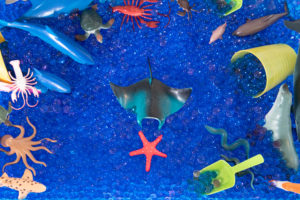
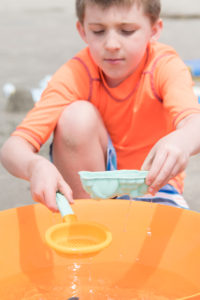
A sensory bin is a great way to work on a variety of targets while increasing attention and providing calming stimuli. For our Ocean Thematic Unit, we are using a blue water bead sensory bin with ocean animals. So many goals can be targeted utilizing this bin!
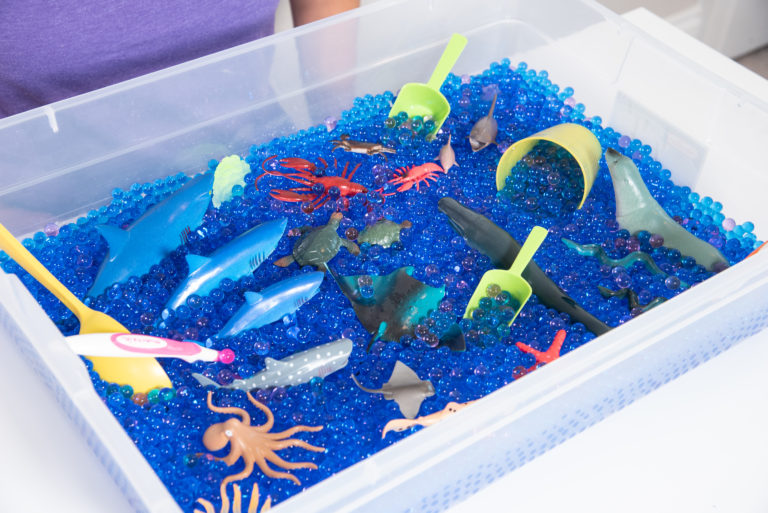
Tri County Therapy | Charleston, Anderson, Toys, Therapy Toys, Pediatric Therapy, Occupational Therapy, Physical Therapy, Speech Therapy, Water Sensory Bin, Therapy Activity, Ocean Unit

Speech & Language Objectives

Ocean Vocabulary

Spatial Concepts/Where Qs: up, down, over, under, next to, behind, in front, in, out, between, through, left, right

Quantitative Concepts: one, some, all, many, few

Qualitative Concepts/Attributes: spots, large, small, average, legs, claws, smooth, bumpy, fins, tail, tentacles, colors

Multiple Step Directions: find the shark and put under the water

Verbs/Actions: jumping, swimming, walking, eating/chomp, go, stop, turn, push, pull, hiding, crawl, scoop, pour

WH Questions: Who, What, Where
Tri County Therapy | Charleston, Anderson, Toys, Therapy Toys, Pediatric Therapy, Occupational Therapy, Physical Therapy, Speech Therapy, Sensory Bin, Ocean Theme, Language Development   Tri County Therapy | Charleston, Anderson, Toys, Therapy Toys, Pediatric Therapy, Occupational Therapy, Physical Therapy, Speech Therapy, Sensory Bin, Ocean Theme, Language Development, Sea Animals

Social Objectives

Appropriate Play: Relational, functional, and Pretend-Play

Joint Attention & Eye Contact

Turn Taking

Fine & Gross Motor Objectives

Crossing Mid-line

Sequencing

Motor Planning

Visual Perceptual Skills

Tactile Awareness

Bilateral Hand Skills

Fine Motor Skills

Reaching

Obstacle Courses with Animals


 Written by: Allison Kane, MCD, CCC-SLP, CAS

Speech Language Pathologist

Certified Autism Specialist

Owner – Tri-County Therapy

Tri County Therapy | Charleston, Anderson, Toys, Therapy Toys, Pediatric Therapy, Occupational Therapy, Physical Therapy, Speech Therapy, Sensory Bin, Ocean Activity, Allison Kane

SaveSave

SaveSave

SaveSave

SaveSave

Read More

Beach & Pool: My Child Doesn’t Like Going To The Beach Or Pool

July 3, 2018Tri-County TherapyBlogautismbathingoccupational therapypediatric therapysensorysensory processingwashing hairwater aversions
Beach & Pool: My Child Doesn’t Like Going To The Beach Or Pool

My Child Doesn’t Like Going to the Beach or Pool

 It can be incredibly difficult when you take your family to the beach or pool for some relaxation and fun, but your child will not get in the water. He may be unwilling to take off his shoes and socks, which may be due to an aversion to the texture or temperature of the pool concrete or sand. He may be fearful of the waves, watching them come closer and closer, or the loud noise of them crashing on the beach. The beach and pool can be a bit overwhelming and children (as well as adults) can be afraid of the unknown. Here are a few tips to try to get your child more comfortable and to make your summer more fun for the whole family!

Tip #1: Start Small!

Begin with Getting Comfortable at a Pool of Beach Before Progressing to the Water

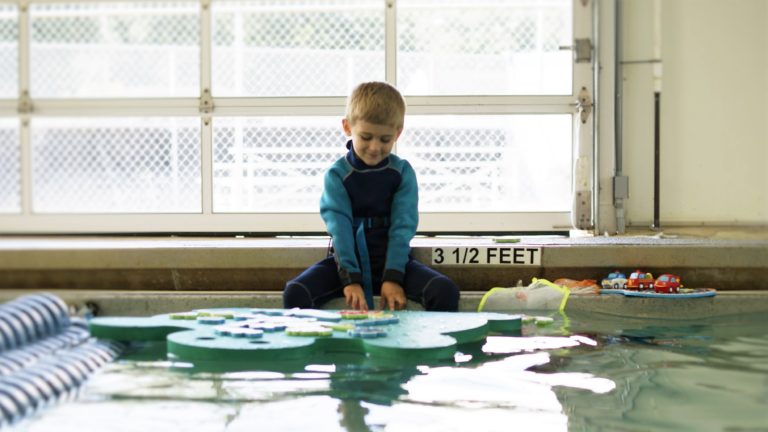
  • Start poolside by having him play with toys near the edge of the water and gradually move closer to the water until he feels ready to go into the water. This can help him gain confidence for this new environment and he will be in the water in no time!

Tri County Therapy | Charleston, Anderson, Toys, Therapy Toys, Pediatric Therapy, Occupational Therapy, Physical Therapy, Speech Therapy, Aquatic Therapy, Water Therapy, Pool Fear, Swim Lessons, Water Lessons

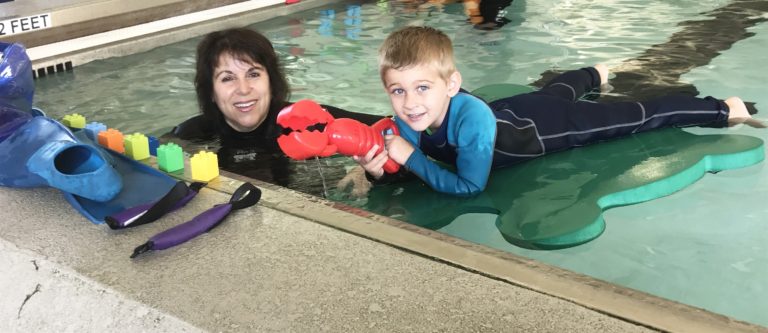
  • While in the pool, have fun by introducing toys, floats, or games to have your child feel more relaxed in the water. Flotation devices give your child more confidence and independence in the water, as well as make floating a little easier and decrease overall fear.

Tri County Therapy | Charleston, Anderson, Toys, Therapy Toys, Pediatric Therapy, Occupational Therapy, Physical Therapy, Speech Therapy, Aquatic Therapy, Water Therapy, Pool Fear, Swim Lessons, Water Lessons

  • Try visiting the pool or beach when it is less crowded to limit noise, splashing, and feeling overwhelmed. To ease your child into this new setting, try taking him during more quiet hours. This way your child won’t be exposed to splashing water and noise will be at a minimum to allow him to get more comfortable. Also, visiting the beach in regular clothes without the expectation to get in the water can help put your child at ease!

Tri County Therapy | Charleston, Anderson, Toys, Therapy Toys, Pediatric Therapy, Occupational Therapy, Physical Therapy, Speech Therapy, Aquatic Therapy, Water Therapy, Pool Fear, Swim Lessons, Water Lessons

  • Try wearing googles, as they can be a useful tool in the water if your child is sensitive to water in his eyes or around his face. Goggles can make splashing play a little more enjoyable for your child, as there is a protective barrier between his eyes/nose and the water. He can get a little water in his face but still see and have the sensation of getting water in his eyes or nose.

Tip #2: Bring A Kiddie Pool or Small Bucket

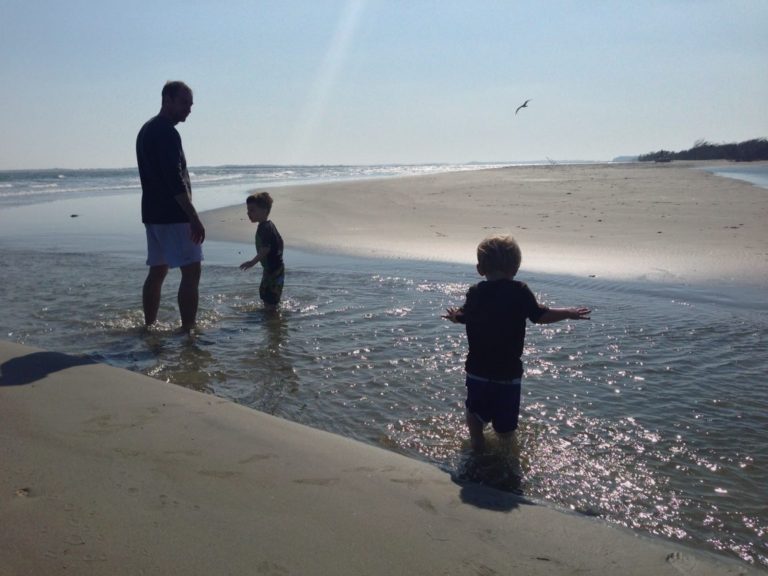
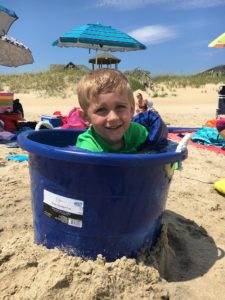
  • A kiddie pool is something with which many children are familiar. It is portable, so your child can play with it in the comfort and familiarity of your backyard and then be readily transported to the beach. This provides your child something in which he can feel comfortable, while exploring this whole new area that is the beach! You can fill the kiddie pool up with water or sand for beach-side play time. Be sure to bring some favorite toys to increase comfort and overall fun!

Tri County Therapy | Charleston, Anderson, Toys, Therapy Toys, Pediatric Therapy, Occupational Therapy, Physical Therapy, Speech Therapy, Aquatic Therapy, Water Therapy, Pool Fear, Swim Lessons, Water Lessons   Tri County Therapy | Charleston, Anderson, Toys, Therapy Toys, Pediatric Therapy, Occupational Therapy, Physical Therapy, Speech Therapy, Aquatic Therapy, Water Therapy, Pool Fear, Swim Lessons, Water Lessons   Tri County Therapy | Charleston, Anderson, Toys, Therapy Toys, Pediatric Therapy, Occupational Therapy, Physical Therapy, Speech Therapy, Aquatic Therapy, Water Therapy, Pool Fear, Swim Lessons, Water Lessons

  • Try moving the kiddie pool closer and closer to the water as the day progresses and your child gets more comfortable with his surroundings, making this a more predictable, but fun-filled experience.

SaveSave

SaveSave

SaveSave

SaveSave

Read More

Camping Thematic Unit: Bear Walks & Tunnel Crawls

June 26, 2018Tri-County TherapyBlogbear themebear walkscamping themefathers dayoccupational therapypediatric therapyphysical therapyS.O.Ssensorysensory processingspeech therapytherapy tunnel
Camping Thematic Unit: Bear Walks & Tunnel Crawls

Activity One: Bear Walks

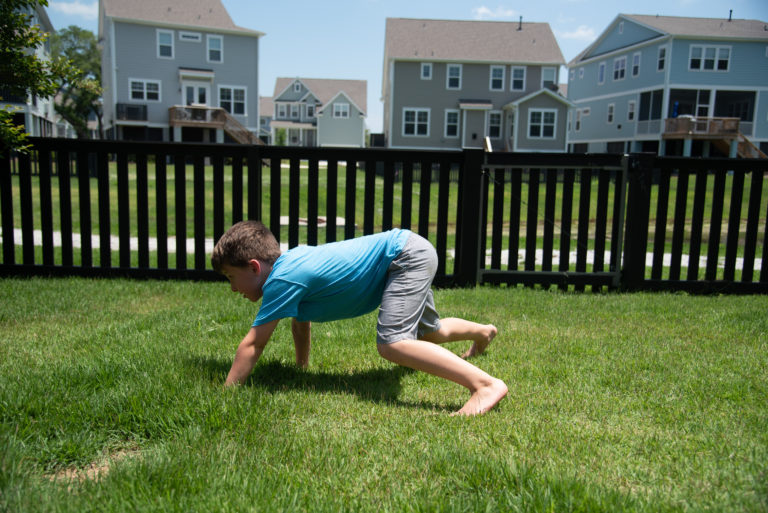
Having your child walk like a bear works on so many important skills! It helps improve her balance and trunk strength (to keep her tummy off the floor), improves her gross motor coordination and motor planning (to efficiently coordinate her arms and legs), and provides a lot of weight bearing into her arms and legs (which can be very calming). Make it a bit more challenging by having her walk fast, slow, sideways, or backwards for more variety and fun!

Tri County Therapy | Charleston, Anderson, Toys, Therapy Toys, Pediatric Therapy, Occupational Therapy, Physical Therapy, Speech Therapy, Aquatic Therapy

Language Concepts:

Following Directions

Vocabulary: Body Parts

Spatial/Directional Concepts: Forward, Backward, Sideway

Qualitative Concepts: Fast, Slow

Motor Concepts:

Balance

Bilateral Coordination

Motor Planning

Sensory Regulation

Strength

Activity Two: Tunnel Crawls

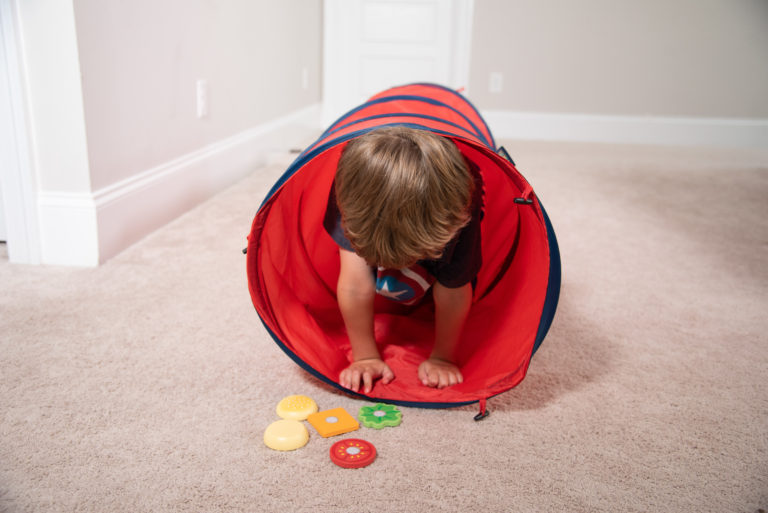
Crawling through a tunnel (if you don’t have one, you can make one by throwing a sheet over your kitchen table!) Having your child crawl through, under, and around obstacles is a fun way to help build his upper body and trunk/core strength. It also will help improve his ability to cross midline and develop his bilateral coordination (which is using both hands together efficiently). Have your child crawl through a tunnel to pick up a requested item and bring it back through. This helps improve his ability to follow directions and sequence steps! The possibilities are endless for some indoor summer fun when it heats up outside ?!!

Tri County Therapy | Charleston, Anderson, Toys, Therapy Toys, Pediatric Therapy, Occupational Therapy, Physical Therapy, Speech Therapy, Aquatic Therapy

Motor Concepts:

Core & Trunk Strength

Upper Body Strength

Crossing Midline

Bilateral Coordination

Sequencing

Language Concepts:

Multiple-Step Directions

Vocabulary: Food, food groups, shapes, colors

Spatial/Directional Concepts: through, on top, together, apart, beside/next to, under, between, inside

Qualitative Concepts: fast, slow, hot, cold, bumpy, round, square, long, striped


 Written by: Amy Elgin, MSOL, OTR/L, BCP

Occupational Therapist

Board Certified in Pediatrics

Clinical Director – Tri-County Therapy
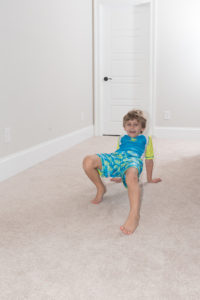
Tri County Therapy | Charleston, Anderson, Toys, Therapy Toys, Pediatric Therapy, Occupational Therapy, Physical Therapy, Speech Therapy, Aquatic Therapy

SaveSave

SaveSave

SaveSave

SaveSave

Read More

Bathing & Water Sensitivity: My Child Doesn’t Like Getting Wet

June 19, 2018Tri-County TherapyBlogautismbathingoccupational therapypediatric therapysensorysensory processingwashing hairwater aversions
Bathing & Water Sensitivity: My Child Doesn’t Like Getting Wet

My Child Doesn’t Like Getting a Bath or Having His Hair Washed:

Bath time can be a daily struggle. Your child may not want to get into the water with the faucet running due to the loud sound it makes or she may show discomfort having his hair washed or getting his face wet, due to fear of getting water in his eyes. Below are a few pointers to make bath time a fun experience for your child.

Tip #1: Play in an Empty Tub

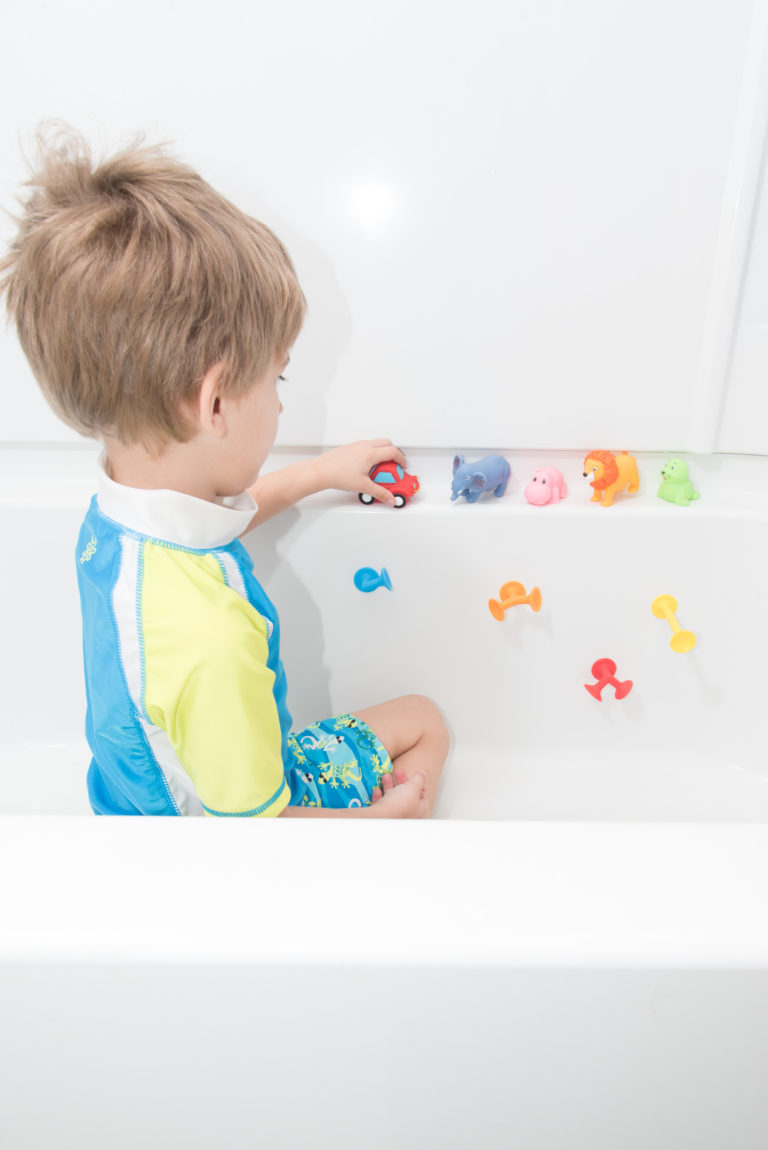
  • Playing in an empty tub can show your child that there is nothing to fear and that the tub can be fun! This can help decrease his overall stress and anxiety, making the transition to a tub filled with water a little more comfortable for all those involved.

Tri County Therapy | Charleston, Anderson, Toys, Therapy Toys, Pediatric Therapy, Occupational Therapy, Physical Therapy, Speech Therapy, Aquatic Therapy, Bathing, Daily Activities

Tip #2: Give Toys a Bath

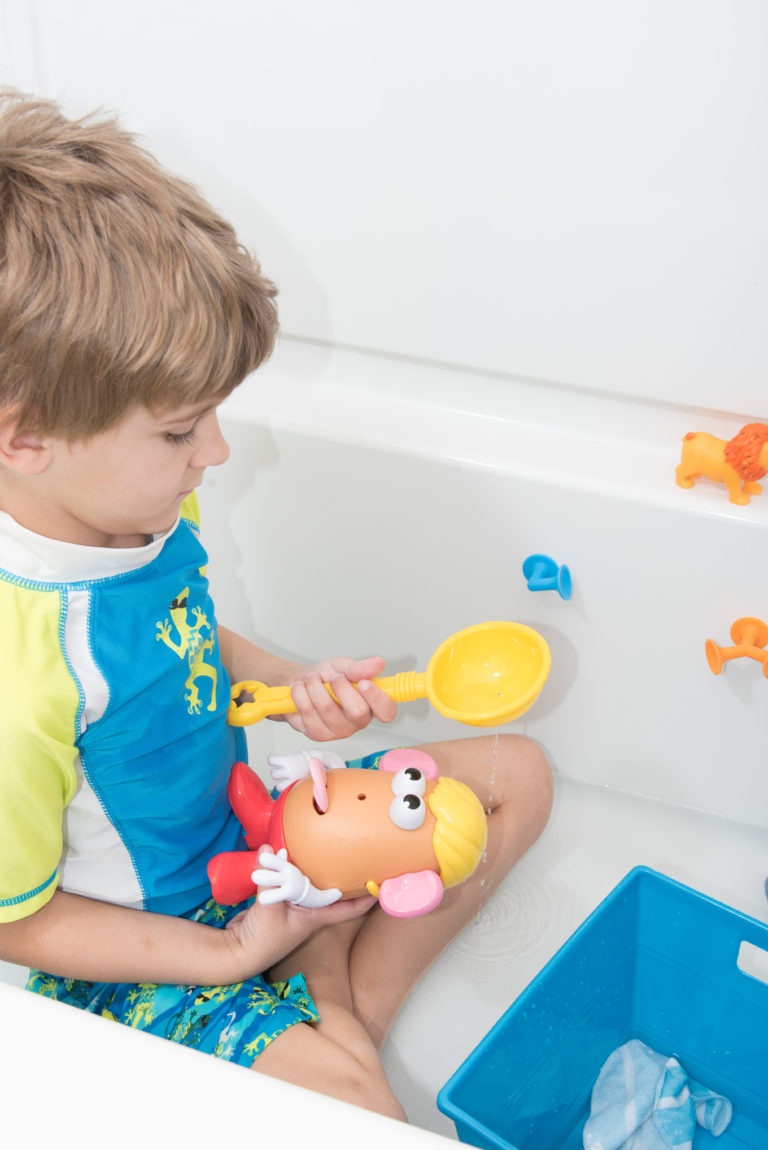
Have your child give toys such as cars a carwash or a doll a bath in the tub. Start with very little water in the tub. If your child does not want to get in the tub, have him sit on the edge to wash the toys, slowing progressing to sitting in the tub (with or without water). This shows your child that it can be fun to bathe and that everything needs to get clean!

Tri County Therapy | Charleston, Anderson, Toys, Therapy Toys, Pediatric Therapy, Occupational Therapy, Physical Therapy, Speech Therapy, Aquatic Therapy, Bathing Milestone, Daily Activities

Tip #3: Avoid The Face

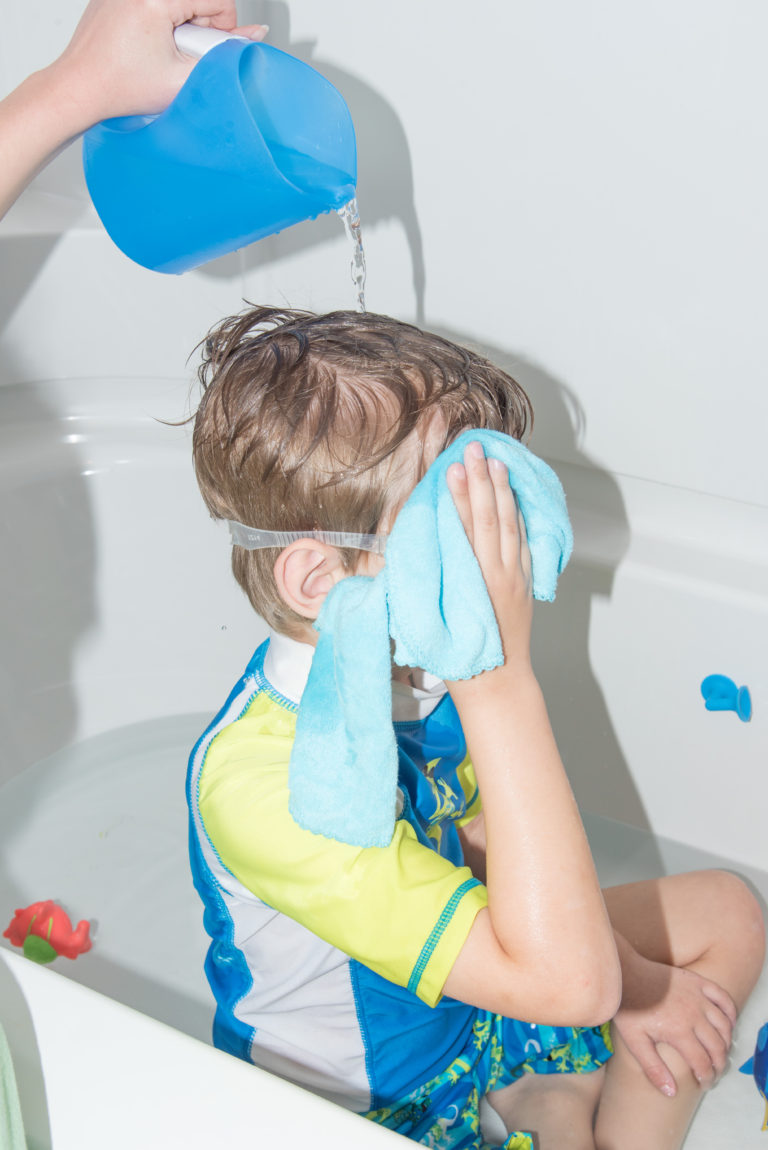
Avoid pouring water over your child’s face, as this can be uncomfortable and frightening to children that are sensitive to having things around their eyes as well as an overall scary sensation. Water provides extra pressure and sometimes this pressure can be unsettling for children.

  •  To avoid getting water into your child’s face, try using a washcloth or towel to protect your child’s eyes, while being mindful to tip his head slightly backwards. You can also utilize a bath time visor with will fit around your child’s head and protects his face from becoming wet.

Tri County Therapy | Charleston, Anderson, Toys, Therapy Toys, Pediatric Therapy, Occupational Therapy, Physical Therapy, Speech Therapy, Aquatic Therapy, Bathing Milestone, Daily Activity

Extra Tips:

  • Have child enter bathtub after it has been filled and the faucet is no longer running if the noise or sight of running water causes anxiety.  You can also decrease faucet pressure if this an option.
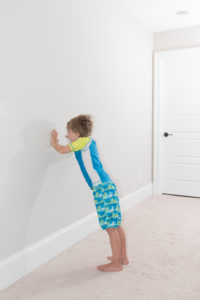
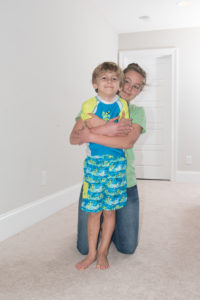
  • Prior to bath time, have your child get ready for the activity with use of various deep pressure activities to provide calming sensory input. Activities such as animal walks, wall push-ups and deep squeezes/hugs can provide needed pressure to help them better self-regulate during this stressful time.

Tri County Therapy | Charleston, Anderson, Toys, Therapy Toys, Pediatric Therapy, Occupational Therapy, Physical Therapy, Speech Therapy, Aquatic Therapy, Bathing Milestone, Daily ActivitiesTri County Therapy | Charleston, Anderson, Toys, Therapy Toys, Pediatric Therapy, Occupational Therapy, Physical Therapy, Speech Therapy, Aquatic TherapyTri County Therapy | Charleston, Anderson, Toys, Therapy Toys, Pediatric Therapy, Occupational Therapy, Physical Therapy, Speech Therapy, Aquatic Therapy, Daily Activity, Bathing Milestone


SaveSave

SaveSave

SaveSave

SaveSave

Read More

Camping Thematic Unit: Father’s Day Bear Craft

June 5, 2018Tri-County TherapyBlogbear craftbear themecamping themecraftfathers dayoccupational therapypediatric therapyS.O.Ssensorysensory processingspeech therapy
Camping Thematic Unit: Father’s Day Bear Craft

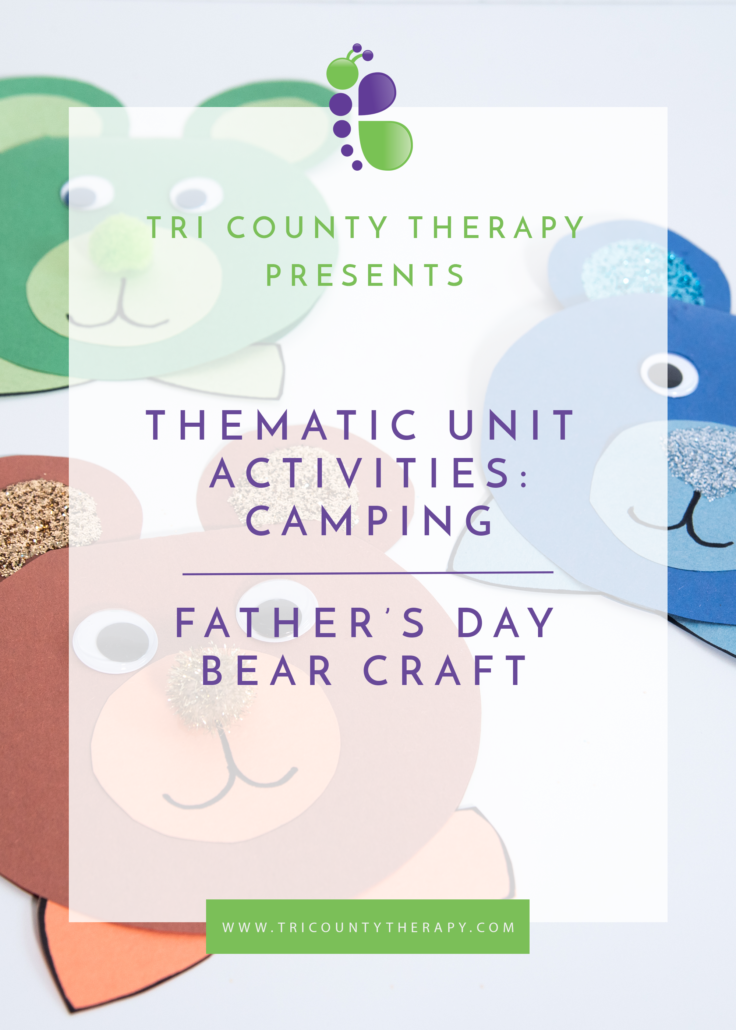
Father’s Day Bear Card

We are doing a thematic unit this month on camping! Our book of the month is Going On A Bear Hunt, and we have a lot of fun crafts, bear hunts, and other thematic activities going on in our offices! Since Father’s Day is June 17th, we’re sharing this fun craft with you now!

A video tutorial is at the bottom of this post.

Here’s a step by step on how to make this fun craft!

Step 1: Gather Your Materials

You’ll need the following: three sheets of construction paper (one lighter in color than the other two), marker, medium size bowl, small can, glue stick, liquid glue, glitter, pom pom, large googly eyes, and scissors.

Tri County Therapy | Sensory, Sensory Friendly, Children, Sensory processing disorder, Sensory Integration, therapy, Father's Day, Bear Craft, Therapy Activity

Step 2: Fold, Trace, and Cut!

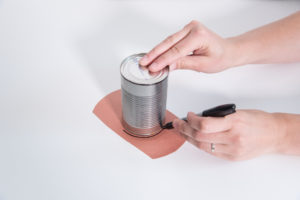
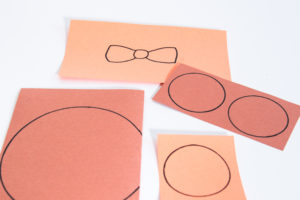
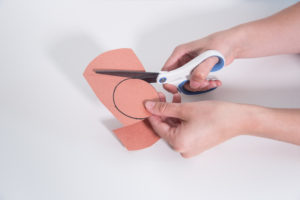
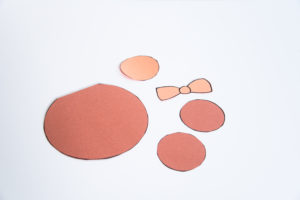
Fold one sheet of paper in half and trace the bowl, with one end overlapping the folded portion. Using the same color paper, trace two circles with the can. Using the lighter color, trace another circle with the can, and draw a bow tie. Cut them all out!

Tri County Therapy | Sensory, Sensory Friendly, Children, Sensory processing disorder, Sensory Integration, therapy, Father's Day, Bear Craft, Therapy ActivityTri County Therapy | Sensory, Sensory Friendly, Children, Sensory processing disorder, Sensory Integration, therapy, Father's Day, Bear Craft, Therapy ActivityTri County Therapy | Sensory, Sensory Friendly, Children, Sensory processing disorder, Sensory Integration, therapy, Father's Day, Bear Craft, Therapy Activity

Step 3: Write a Note!

Open the large circle and write a note for dad for Father’s Day!

Tri County Therapy | Sensory, Sensory Friendly, Children, Sensory processing disorder, Sensory Integration, therapy, Father's Day, Bear Craft, Therapy Activity

Step 4:  Put it Together!

Using the glue stick, glue the two small circles on top near the folded portion for the ears. Glue the lighter circle on the middle of the larger circle for the nose.

Tri County Therapy | Sensory, Sensory Friendly, Children, Sensory processing disorder, Sensory Integration, therapy, Father's Day, Bear Craft, Therapy Activity

Step 5: Decorate!

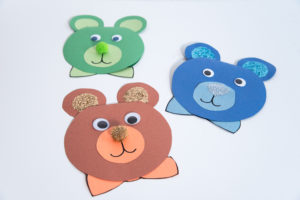
Use bottled glue to put glitter on the ears, draw a mouth on the center circle, glue on a pom pom for the nose, glue on the tie, and glue on the eyes! You can modify the bear by using construction paper for the inner ear, using glitter for a nose, or just drawing on a nose! You can decorate or make a fancy tie too!

Tri County Therapy | Sensory, Sensory Friendly, Children, Sensory processing disorder, Sensory Integration, therapy, Father's Day, Bear Craft, Therapy Activity

 Written by: Allison Kane, MCD, CCC-SLP, CAS

Speech Language Pathologist

Certified Autism Specialist

Tri-County Therapy

Tri County Therapy | Sensory, Sensory Friendly, Children, Sensory processing disorder, Sensory Integration, therapy, Father's Day, Bear Craft, Therapy Activity
 

SaveSave

SaveSave

SaveSave

SaveSave

Read More

Feeding Red Flags: Drooling After Teething

May 30, 2018Tri-County TherapyBlogautismdistractionsfeeding difficultiesfeeding therapyoccupational therapypediatric therapypicky eatingproblem eaterS.O.Ssensorysensory processingspeech therapy
Feeding Red Flags: Drooling After Teething

Drooling After Teething

What if your child is drooling beyond the typical age of teething (around 18 months-2 years)? Many children drool due to oral motor weaknesses or reduced awareness in their mouth. Some common causes of drooling are weak lips or jaw or difficulty keeping good lip closure. Here are some tips to decrease and manage drooling:

Tip #1- Set Your Child Up For Success!

Posture plays an important role by providing stability so that your child can control and ultimately improve his drooling. Make sure that while sitting (to eat, watch TV, play, etc.) your child’s trunk and head are supported and stable.

Tri County Therapy | Sensory, Sensory Friendly, Children, Sensory processing disorder, Sensory Integration, therapy, Feeding Therapy, Drooling, Feeding
Tip #2- Increase Sensation

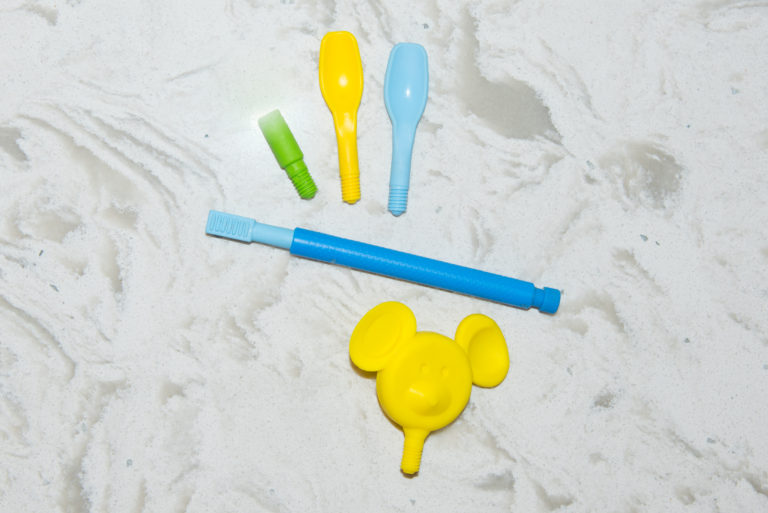
If your child’s lips are constantly open, allowing drool to pool and spill out of his mouth, it may be that he does not even realize it. For some children, calling attention to their open mouth by providing more sensory input can be very helpful. Try tapping/stroking his lips using firm pressure, using vibration (like a z-vibe or vibrating teether), or applying cold (like a frozen teether) to bring awareness of the lips and reduce drooling.

Tri County Therapy | Sensory, Sensory Friendly, Children, Sensory processing disorder, Sensory Integration, therapy, Feeding Therapy, Drooling, Feeding
Tip #3: Increase Strength and Control

Increase lip, tongue, and jaw strength so that controlling drool will not feel like such as difficult task for your child. Some good exercises include using a straw to suck up thick liquids (like a milk shake or smoothie), practice licking foods (like peanut butter) off of his lips and squeezing items (like a z-vibe tip) between his lips, making sure to purse the lips without using teeth.

Tri County Therapy | Sensory, Sensory Friendly, Children, Sensory processing disorder, Sensory Integration, therapy, Feeding Therapy, Drooling, Feeding
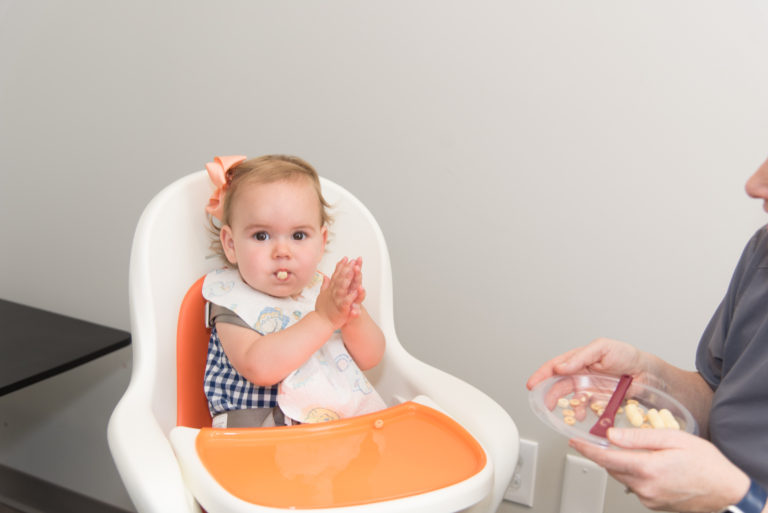
Be sure to talk with your SLP or OT if you are concerned with your child’s drooling, we have many more tools and strategies!


SaveSave

SaveSave

SaveSave

SaveSave

Read More

  • 1
  • 2
  • 3
  • Next

Most Recent Blog Posts

  • Answering Questions About The R Sound Sep 21

    Answering Questions About The R Sound   Does your child...

  • Infant Sitting Tips Jul 28

    Infant Sitting Tips By: Hope James, PT, DPT Sitting briefly with...

  • Warming Up To The Playground Jul 21

    Warming Up To The Playground By: Hope James, PT, DPT...

  • Ideas For Beach Day Play Jul 14

    Beach Day Play By: Hope James, PT, DPT Summer time...

Post Categories & Links

age 3 articulation autism bear theme bedtime buttons camping theme core strength costumes cutting distractions feeding difficulties feeding therapy fine motor fine motor toys first words gift ideas grasp gross motor Halloween handwriting lacing language language development occupational therapy OT pediatric therapy Physical development physical therapy picky eating problem eater PT S.O.S schedule sensory sensory processing snaps social skills speech therapy speech therapy toys therapy toys therapy tunnel toys tracing trick-or-treat

Recent Posts

  • Answering Questions About The R Sound
  • Infant Sitting Tips
  • Warming Up To The Playground
  • Ideas For Beach Day Play
  • Ideas For A New Walker

Recent Comments

    Archives

    • September 2022
    • July 2022
    • June 2021
    • January 2021
    • November 2020
    • April 2019
    • March 2019
    • February 2019
    • January 2019
    • December 2018
    • November 2018
    • October 2018
    • September 2018
    • August 2018
    • July 2018
    • June 2018
    • May 2018
    • April 2018

    Categories

    • Blog
    • Uncategorized

    Meta

    • Log in
    • Entries feed
    • Comments feed
    • WordPress.org

    Service Locations

    Natural Environment

    Preschools & Daycares

    Office Locations


    Contact

    Phone: 888-510-6369

    Fax: 843-277-6237

    Email 

    Careers

    Career Opportunities!


    Search Our Site:

    Copyright ©2016 all rights reserved
    Powered by Tri-County Therapy