HealthFlex
×
  • About
    • Our Team
    • About Us
    • Insurances Accepted
    • What Matters To Us
    • Locations
    • Contact Us
  • Our Services
    • Enroll In Therapy
    • Formularios de Inscripción en Español
    • School Screening
    • BabyNet Referral Inquiry
    • Feeding Therapy
    • Occupational Therapy
    • Physical Therapy
    • Speech Language Pathology
    • Privacy Policy
  • Resources
    • Therapy Tips
    • Records Request
    • Developmental Milestones
      • Articulation & Phonology
      • Feeding
      • Fine Motor
      • Gross Motor
      • Expressive Language
      • Receptive Language
      • Sensory Development
      • Social Skills
    • Physician Referrals
    • Blog
  • Join Our Team!
    • Student Learning

Feeding Red Flags: Prolonged Mealtimes

May 16, 2018Tri-County TherapyBlogautismdistractionsfeeding difficultiesfeeding therapyoccupational therapypediatric therapypicky eatingproblem eaterS.O.Ssensorysensory processingspeech therapy
Feeding Red Flags: Prolonged Mealtimes

Prolonged Mealtimes

Just like many adults, children may not want to sit at the dinner table all evening. Limiting meal times to around 30 minutes is considered the ‘gold standard’ for both children and adults. When meals last more than that, children can often become fatigued, bored, and frustrated. Here are some tips to keep your child’s meal times shorter and more enjoyable!

Tip #1: Use a Timer

Use a timer/timer app. There are a lot of great timers out there that are ‘kid friendly!’ Sometimes kids need a visual reminder of the time allotted for meals. It can also help them learn to pace their own eating, rather than being dependent on parents or guardians.

Tri County Therapy | Sensory, Sensory Friendly, Children, Sensory processing disorder, Sensory Integration, therapy, Feeding Therapy, Drooling, Feeding, prolonged mealtimes

Tip #2: Increase Chewing Skills

Many kids experience jaw fatigue, possibly due to slightly weak jaw muscles. You can adjust meals by presenting more ‘difficult’ or hard to chew foods first (such as meat, raw vegetables, etc.), then moving onto softer foods and purees. Also, you can strengthen jaw muscles by practicing chewing on a chew tube; place the tube on your child’s back teeth and encourage them to make ‘big dinosaur bites.’ We want to see the tube collapse.

Tri County Therapy | Sensory, Sensory Friendly, Children, Sensory processing disorder, Sensory Integration, therapy, Feeding Therapy, Drooling, Feeding, prolonged mealtimes

Tip #3: Limit Distractions

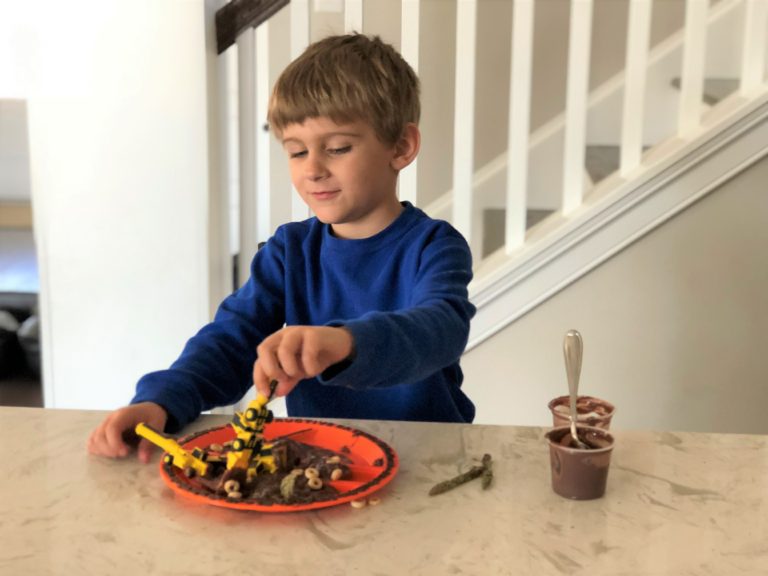
Reduce distractions. Having toys at the table, tablets/iPads, or watching television can all reduce your child’s attention to eating. If your child has a difficult time sitting at the table without these things, work up gradually to longer times without those distractions at the table. Instead of resorting to these distracting tactics, try to engage your child in conversation and talk about the food on the table (for example, “what flavors does it have?”, “What color is it?”, “Is it soft or crunchy?”, etc.).



SaveSave

SaveSave

SaveSave

SaveSave

Read More

Feeding Red Flags: Moving Towards Textures & Concerns With Gagging

May 9, 2018Tri-County TherapyBlogautismfeeding difficultiesfeeding therapyoccupational therapypediatric therapypicky eatingproblem eaterS.O.Ssensorysensory processingspeech therapy
Feeding Red Flags: Moving Towards Textures & Concerns With Gagging

Moving Towards Textures and Concerns With Gagging 

Starting around 5-6 months until around 18 months, your child’s feeding skills are constantly developing. Moving through the various textures (from baby food cereals, to purees, to meltables, to soft solids, etc.) can be an exciting and sometimes overwhelming time for toddlers and parents. Keep in mind that everyone progresses at different rates and letting your child explore new foods through play can help greatly with these transitions. Don’t worry too much if your child sometimes refuses new foods or textures or even gags on occasion! These tips can help make texture progression fun and worry free: 

Tip #1– Have fun!

Let your child explore new textures that he may not be familiar with- this may mean getting messy! Wearing your food is part of the process of learning how to eat. Try ‘painting’ with purees on your child’s tray, ‘mixing’ different foods with a long pretzel rod or playing ‘tug of war’ with licorice. 

Tri County Therapy | Charleston, Anderson, Toys, Therapy Toys, Pediatric Therapy, Occupational Therapy, Physical Therapy, Speech Therapy, Aquatic Therapy, feeding therapy, food therapy, gagging

Tip #2- Explore with your food!

Between 8 and 9 months, introduce hard “munchables” (hard solids such as raw carrots or celery sticks, hard pretzel rods, or hard dried fruit sticks, that your child CANNOT bite a piece from) by letting your child hold onto the item and use the other end to explore his mouth. This helps the tongue learn to move food and move the gag reflex further back into his throat!  

Tip #3– It takes practice!

Your child may gag himself during food exploration, especially when introducing a new texture, but don’t panic! You can reassure your child that it’s okay, and gently help him pull the food forward (for hard “munchables” or larger food items).  

 Tri County Therapy | Charleston, Anderson, Toys, Therapy Toys, Pediatric Therapy, Occupational Therapy, Physical Therapy, Speech Therapy, Aquatic Therapy, gagging, food therapy, feeding therapy


SaveSave

SaveSave

SaveSave

SaveSave

Read More

Feeding Red Flags: Picky Eaters Vs. Problem Feeders

May 2, 2018Tri-County TherapyBlogautismfeeding difficultiesfeeding therapyoccupational therapypediatric therapypicky eatingproblem eaterS.O.Ssensorysensory processingspeech therapy
Feeding Red Flags: Picky Eaters Vs. Problem Feeders

Picky Eaters Versus Problem Feeders

Some kids are just picky eaters, and that’s okay. However, if your child is so picky to the point where she only eats a few foods, she may need some extra help from a feeding therapist.  These are some signs that your child may be a ‘Problem Feeder’:

– Less than 30 foods in food repertoire: these should include about 10 carbohydrates (such as bread and potatoes), 10 fruits/vegetables, and 10 proteins (such as meat, yogurt, nuts)

– Completely avoids certain food textures (such as lumpy, “mushy”, crunchy) or will only eat 1-2 textures (pureed, soft solids, crunchy, etc.) and may gag when presented with non-preferred textures.

Tip #1 

If at first you don’t succeed with a new food, try again! Research shows that it can take up to 10 exposures to a new food for your child to know if he likes it. Wait 2-3 days before presenting a new food again.

Tri County Therapy | Charleston, Anderson, Toys, Therapy Toys, Pediatric Therapy, Occupational Therapy, Physical Therapy, Speech Therapy, Aquatic Therapy, Feeding Therapy, Food Therapy, Picky Eater

Tip #2

Growing, active children, especially those with limited diets or oral motor difficulties may go through periods when it’s difficult to maintain the number of calories they need each day for sufficient weight gain. Adding ingredients that are high in fat and calories such as cheese sauce, avocado, or gravy, to the foods your child will eat can help boost your child’s growth.  However, if these problems persist, your child may benefit from the services of a nutritionist or dietician for more help with increasing calories or nutrients.

  Tri County Therapy | Charleston, Anderson, Toys, Therapy Toys, Pediatric Therapy, Occupational Therapy, Physical Therapy, Speech Therapy, Aquatic Therapy, Food Therapy, Feeding Therapy, Picky Eater


SaveSave

SaveSave

SaveSave

SaveSave

Read More

Sensory Issue Three: Tantrums & Transitions

April 25, 2018Tri-County TherapyBlogautismbedtimechild tantrumsfeeding therapyfirst then boardoccupational therapypediatric therapypicky eatingS.O.Sschedulesensorysensory processingspeech therapytransition difficultyvisual timer
Sensory Issue Three: Tantrums & Transitions

(Scroll down for tips on video)

Transitions and change can be very difficult on your child, and they occur constantly throughout the day, wreaking havoc on your ability to take your child shopping, daycare, or anywhere new. Outbursts and tantrums may happen more often than not, making you not want to ever leave your house! Here are a few tips to try to limit your child’s anxiety and alleviate the stress of transitions.

Tip #1- Give a ‘heads-up’ of Upcoming Transitions

Giving your child notice of what’s going to happen, and when, can be very reassuring. Using strategies such as using a verbal countdown, “okay, we are going to clean up this activity in 5 minutes” or “After you do your homework, it will time for your bath.” This allows your child to prepare for what comes next. You may need to begin with verbal prompts 30 minutes or more before the anticipated transition, and then provide reminders every 5 minutes until it is time to move on to the next task or activity.  You can also use a “First, Then” visual; let your child know that, “first, you will finish your homework, then you will get a bath.” This provides your child with small, manageable steps!


Tri County Therapy | Charleston, Anderson, Toys, Therapy Toys, Pediatric Therapy, Occupational Therapy, Physical Therapy, Speech Therapy, Aquatic Therapy, tantrums, transitions

Tip #2 – Use Timers

Try using a timer to help your child know when it’s time to stop an activity or indicate that it is time to go. You can set a visual timer if your child can not yet tell time or does not respond to a clock, use a sand timer from a board game, or a countdown app found on a smart phone or tablet. Timers can give your child a visual and/or auditory indication that it is time to leave one activity or place and move on to the next!

Tri County Therapy | Charleston, Anderson, Toys, Therapy Toys, Pediatric Therapy, Occupational Therapy, Physical Therapy, Speech Therapy, Aquatic Therapy, Tantrums, Transitions, Timers


Tip #3- Use a Picture Schedule

Using a visual schedule can help your child better understand what to expect. A great visual schedule for beginners is a “First/Then” picture schedule. You can either have a picture, or you can write it for her, of what the child needs to do first (such as homework, clean room) and then what she earns when that’s complete (such as the iPad, tv time, etc.).  This provides your child with a simple representation of expectations. You can also use a picture schedule to help him see multiple activities that will occur, such as “breakfast, go to preschool, mom picks you up, dinner, bath, bed.” The child can cross off each activity as it is completed and see what’s next!

Tri County Therapy | Charleston, Anderson, Toys, Therapy Toys, Pediatric Therapy, Occupational Therapy, Physical Therapy, Speech Therapy, Aquatic Therapy, Transitions, First, Then, Visual learning 


Written by: Amy Elgin, MSOL, OTR/L, BCP

Tri County Therapy | Charleston, Anderson, Toys, Therapy Toys, Pediatric Therapy, Occupational Therapy, Physical Therapy, Speech Therapy, Aquatic Therapy, Transitions, Tantrums


SaveSave

SaveSave

SaveSave

SaveSave

Read More

Sensory Issue Two: Bedtime Drama

April 18, 2018Tri-County TherapyBlogautismbedtimeoccupational therapypediatric therapyS.O.Sschedulesensorysensory processingspeech therapyweighted blanket
Sensory Issue Two: Bedtime Drama

(Scroll down for tips on video)

Bedtime can be a very stressful time in many households. While you may be exhausted and ready to get some sleep, your child may have a different idea! Getting your child settled down and ready to catch some zzzz’s should be simple, right? But we know this isn’t always the case!

Tip #1 – Establish a Predicable Bedtime Routine

Having an established, consistent routine can help your child recognize that it is time to start settling down and getting prepared, both physically and mentally, to go to sleep. Having a predictable set of steps to reach that goal is essential. Try starting with a warm bath with essential oils for calming and play quiet, soothing music in the background. When your child gets out of the tub, dry them off with firm pressure on the towel, which provides calming input to the body; you can also massage them with scented lotion with firm pressure to provide additional relaxation. Finally, once your child is in bed, read a story to her to help her fall asleep. Use a white noise machine or app to provide soothing background noise if your child is a light sleeper to help “wash out” background noise that may awaken her, use soft lighting, and provide a favored stuffed animal or blanket to enhance relaxation.


Tri County Therapy | Charleston, Anderson, Toys, Therapy Toys, Pediatric Therapy, Occupational Therapy, Physical Therapy, Speech Therapy, Aquatic Therapy, Bedtime routine, bedtime drama


Tip # 2: Limit Screen Time

As your child approaches bedtime, try to limit screen time, including iPads, phones, computers, and television to allow her to begin to mentally get ready for bed. These electronics emit a blue light that can confuse the body’s internal clock about when it’s time to sleep. Studies show that this blue light keeps our body alert and significantly reduces the amount of we sleep, leaving us feeling groggy in the morning! Sleep is essential for learning, memory, emotions, behaviors, and overall well-being. Rather than giving your child an iPad, give them a book to read or look at the pictures, have her listen to quiet music or a podcast, or complete a word search or coloring page. These activities provide a quiet, calming environment to allow your child to begin settling in for sleep, and you as well!

Tri County Therapy | Charleston, Anderson, Toys, Therapy Toys, Pediatric Therapy, Occupational Therapy, Physical Therapy, Speech Therapy, Aquatic Therapy, Bedtime drama, Bedtime Routine


Tip # 3: Use of a Weighted Blanket or Compression Garments

Firm, consistent weight or pressure produces a calming response in the body. Try using a weighted blanket to provide a safe and effective amount of pressure. Try tucking the child’s sheet around the mattress at the bottom of the bed to provide a snug fit and light pressure. If your child does not like blankets or covers, try having him sleep in a compression shirt or shorts (many stores carry tighter compression clothing for various sports) to provide gentle compression.

Tri County Therapy | Charleston, Anderson, Toys, Therapy Toys, Pediatric Therapy, Occupational Therapy, Physical Therapy, Speech Therapy, Aquatic Therapy, Bedtime Routine, Bedtime Drama


Written by: Amy Elgin, MSOL, OTR/L, BCP

Tri County Therapy | Charleston, Anderson, Toys, Therapy Toys, Pediatric Therapy, Occupational Therapy, Physical Therapy, Speech Therapy, Aquatic Therapy, Bedtime Routine, Bedtime Drama


SaveSave

SaveSave

SaveSave

SaveSave

Read More

Sensory Issue One: Picky Eating

April 11, 2018Tri-County TherapyBlogfeeding therapyoccupational therapypediatric therapypicky eatingS.O.Ssensorysensory processingspeech therapy
Sensory Issue One: Picky Eating

(Scroll down for tips on video)

Tip # 1: Start with play

As adults, we can become quite desensitized to the various textures, flavors, and smells of different foods, but many of our kids have not.  It can be difficult when your child doesn’t want to eat what you make or has a significantly limited diet. Research indicates that playing with food can help young children overcome the fear of new flavors and eat a more varied diet.

To attempt getting your child to eat something new, try playing with foods to which your child may be hesitant or resistant.  Being able to touch or play with an unfamiliar food is a great step in the right direction when the ultimate goal is to get that food into your child’s mouth! Some ideas include using  straw to blow pieces of popcorn or peas across the table, rolling green beans across the table, stacking pretzel sticks to build a wall, or making a “mystery” bag for your child to reach into and feel different foods and have her try to guess what it is she is feeling.

Tri County Therapy | Charleston, Anderson, Toys, Therapy Toys, Pediatric Therapy, Occupational Therapy, Physical Therapy, Speech Therapy, Aquatic Therapy, Picky Eating, Feeding Therapy


Tip # 2: Use motivating rewards, such as a special treat, once the child has been successful

Creating a motivating and fun experience can be an effective way to encourage kids to try new foods.  Don’t expect too much at first, you may want to have your child just touch a food to earn a reward or praise, progressing to giving the food a kiss with his/her lips, and then progress to licking the food. Finally, encourage your child to take a small bite! You could offer things that your child finds special or motivating, such as a sticker, an extra story at bedtime, a few extra minutes on the iPad, or a small toy.

Tri County Therapy | Charleston, Anderson, Toys, Therapy Toys, Pediatric Therapy, Occupational Therapy, Physical Therapy, Speech Therapy, Aquatic Therapy, Feeding Therapy, Picky Eating


Tip # 3: Use fun plates/utensils

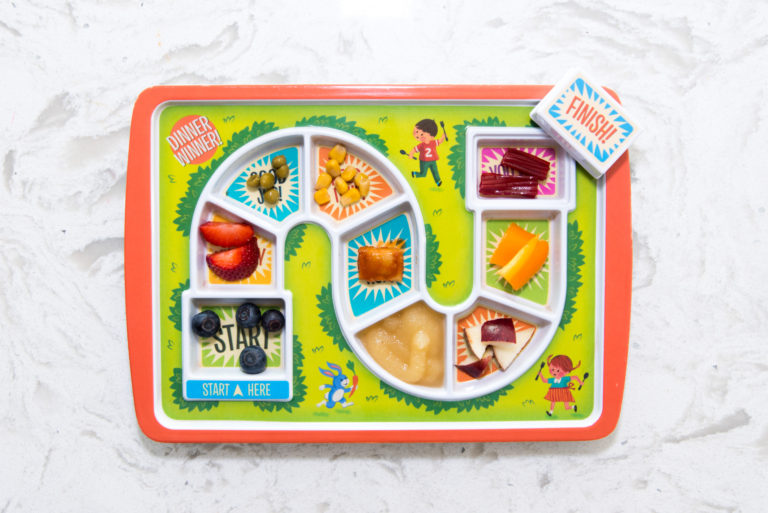
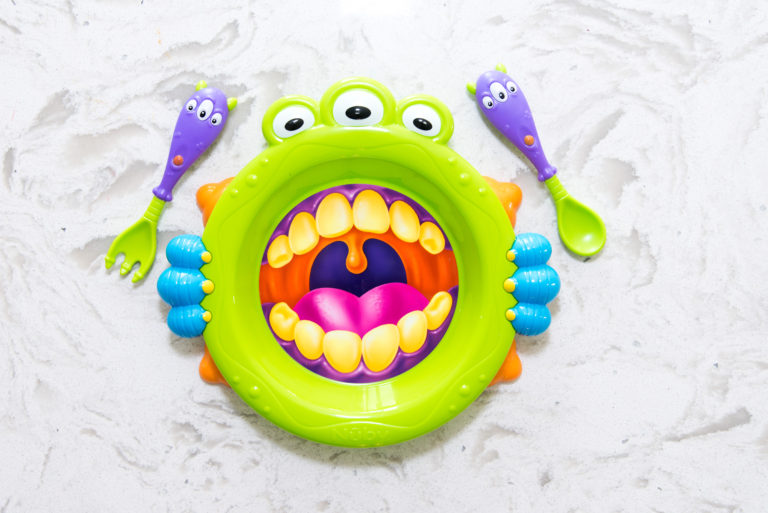
Make meal-time fun and exciting by using kid-friendly plates and utensils to motivate your child! Using anything other than a typical kitchen plate makes eating a unique and fun experience for your child! Try using toy dishes and utensils, piercing food with a toothpick, eating out of an ice cube tray or a muffin tin, or a plate decorated with your child’s current favorite TV or movie character. Try taking your child to the store and allowing him/her choose a fun dish!

Tri County Therapy | Charleston, Anderson, Toys, Therapy Toys, Pediatric Therapy, Occupational Therapy, Physical Therapy, Speech Therapy, Aquatic Therapy, Feeding Therapy, Fun Plates, Childrens utensils, Picky Eating


Extra Tips:

– Introduce a food at least 15-20 times, having food present on the table and then on the plate

Patience, understanding that it takes time to warm up to certain foods, repeated exposures, role modeling, enhancing flavor, and varied presentation methods can get your child on the path to eating a wider variety of foods, eventually!

– Celebrate little successes, including touching, playing with, or barely tasting new foods!

Celebrate the small steps! The goal is to get your child comfortable around new foods, so praising him for every positive interaction with that food is a victory! Your child touched a green bean for the first time? Let him know that you are proud of him! Clap, tell him “great job,” or any other praise to let him know he’s doing great! Children love to please, so knowing that you are proud of him goes a long way in motivating him to try more foods!

Tri County Therapy | Charleston, Anderson, Toys, Therapy Toys, Pediatric Therapy, Occupational Therapy, Physical Therapy, Speech Therapy, Aquatic Therapy, Feeding Therapy, Picky Eating

Written by: Amy Elgin, MSOL, OTR/L, BCP

SaveSave

SaveSave

SaveSave

SaveSave

Read More

  • Prev
  • 1
  • 2
  • 3
  • 4
  • 5
  • 6
  • 7
  • Next

Most Recent Blog Posts

  • Answering Questions About The R Sound Sep 21

    Answering Questions About The R Sound   Does your child...

  • Infant Sitting Tips Jul 28

    Infant Sitting Tips By: Hope James, PT, DPT Sitting briefly with...

  • Warming Up To The Playground Jul 21

    Warming Up To The Playground By: Hope James, PT, DPT...

  • Ideas For Beach Day Play Jul 14

    Beach Day Play By: Hope James, PT, DPT Summer time...

Post Categories & Links

age 3 articulation autism bear theme bedtime buttons camping theme core strength costumes cutting distractions feeding difficulties feeding therapy fine motor fine motor toys first words gift ideas grasp gross motor Halloween handwriting lacing language language development occupational therapy OT pediatric therapy Physical development physical therapy picky eating problem eater PT S.O.S schedule sensory sensory processing snaps social skills speech therapy speech therapy toys therapy toys therapy tunnel toys tracing trick-or-treat

Recent Posts

  • Answering Questions About The R Sound
  • Infant Sitting Tips
  • Warming Up To The Playground
  • Ideas For Beach Day Play
  • Ideas For A New Walker

Recent Comments

    Archives

    • September 2022
    • July 2022
    • June 2021
    • January 2021
    • November 2020
    • April 2019
    • March 2019
    • February 2019
    • January 2019
    • December 2018
    • November 2018
    • October 2018
    • September 2018
    • August 2018
    • July 2018
    • June 2018
    • May 2018
    • April 2018

    Categories

    • Blog
    • Uncategorized

    Meta

    • Log in
    • Entries feed
    • Comments feed
    • WordPress.org

    Service Locations

    Natural Environment

    Preschools & Daycares

    Office Locations


    Contact

    Phone: 888-510-6369

    Fax: 843-277-6237

    Email 

    Careers

    Career Opportunities!


    Search Our Site:

    Copyright ©2016 all rights reserved
    Powered by Tri-County Therapy