HealthFlex
×
  • About
    • Our Team
    • About Us
    • Insurances Accepted
    • What Matters To Us
    • Locations
    • Contact Us
  • Our Services
    • Developmental Screening
    • Enroll In Therapy
    • Formularios de Inscripción en Español
    • BabyNet Referral Inquiry
    • Feeding Therapy
    • Occupational Therapy
    • Physical Therapy
    • Speech Language Pathology
    • Privacy Policy
  • Resources
    • Therapy Tips
    • Records Request
    • Developmental Milestones
      • Articulation & Phonology
      • Feeding
      • Fine Motor
      • Gross Motor
      • Expressive Language
      • Receptive Language
      • Sensory Development
      • Social Skills
    • Physician Referrals
    • Blog
  • Join Our Team!
    • Student Learning

Best Toys for Early Language Development: 2 to 3 Years

November 27, 2018Tri-County TherapyBlogcraftsfirst wordslanguagelanguage developmentoccupational therapyOTpediatric therapyphysical therapypretend playspeech therapytoys
Best Toys for Early Language Development: 2 to 3 Years

Are you wondering what toys to get your child for the holidays that he/she will love AND promote language development?!  We have the perfect ideas for you!

2 Years to 3 Years

Typically, 2 and 3 year old children talk a lot and ask a lot of questions. They like to experiment with things and with their still-emerging physical skills. They like to play with people!

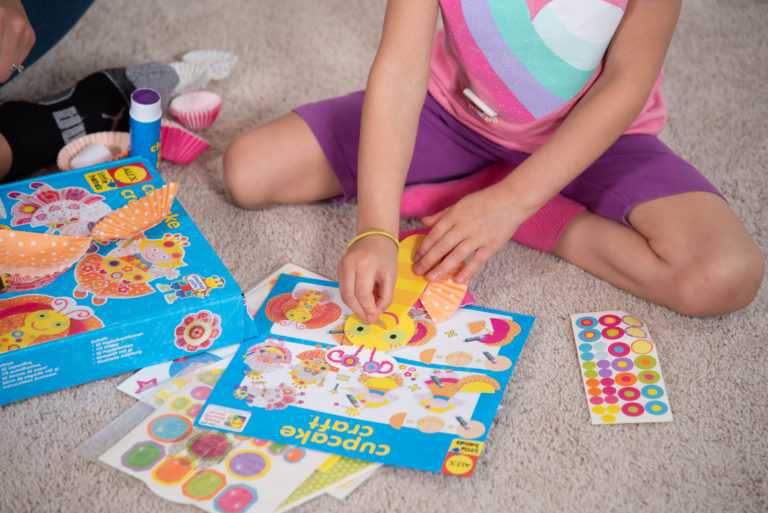
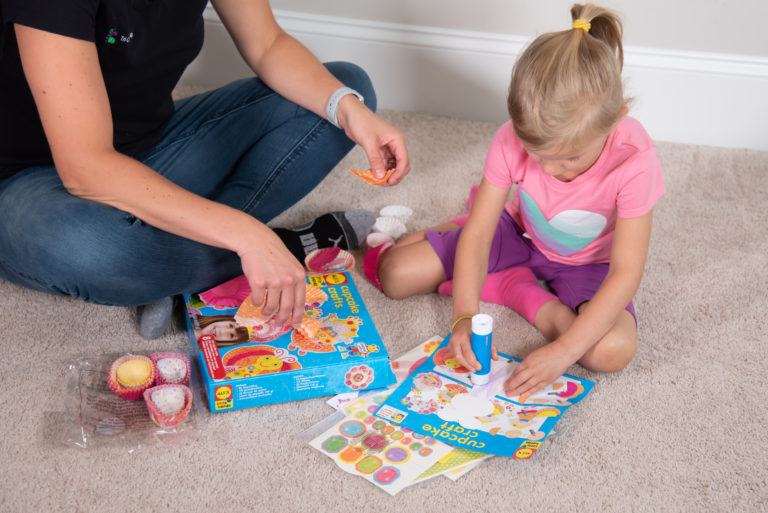
My top toy pick?  Crafts!
Tri County Therapy | Charleston, Toys, Therapy Toys, Pediatric Therapy, Occupational Therapy, Physical Therapy, Speech Therapy

Where to find it: Craft items can be found in many stores. Here’s a link to purchase one set on Amazon:


Receptive and Expressive Language Tasks:

Vocabulary: nouns

Wh questions:  What color is it, where is it, etc.

Spatial Concepts: on, off, in, up, down, over, under, next to, behind, in front, top, bottom

Quantitative Concepts: one, some, all, many, few

Qualitative Concepts/Attributes: big, little, colors, bumpy, smooth, sticky

Simple Directions: put on, get the pink one and give me

Counting

Sequencing: first, then, last

Creative play: pretend play with what you make, Greetings-say hi and bye to fairy’s

Social:  requesting, protesting, eye contact, turn taking: take turns putting pieces on

Articulation: choose target sound and embed the word: ex. /k/ -cut the paper, cut the flower

Model language
Tri County Therapy | Charleston, Toys, Therapy Toys, Pediatric Therapy, Occupational Therapy, Physical Therapy, Speech Therapy

Fine Motor: Picking up (grasp) and putting in place (release), getting sticker off, coloring

Visual and Spatial Perception: putting stickers in various places

Sensory: Use fingers to feel glue, stickers, put pieces in bin of beans or rice

Gross Motor: have an obstacle course to find the various craft pieces to put together


 Written by: Virginia Liner, MS, CCC-SLP

Lead Speech Language Pathologist

Tri-County Therapy

Tri County Therapy | Charleston, Toys, Therapy Toys, Pediatric Therapy, Occupational Therapy, Physical Therapy, Speech Therapy, Virginia Liner

SaveSave

SaveSave

SaveSave

SaveSave

Read More

Best Toys for Early Language Development: 18-24 Months

November 27, 2018Tri-County TherapyBlogfirst wordslanguagelanguage developmentoccupational therapyOTpediatric therapyphysical therapypretend playspeech therapytoys
Best Toys for Early Language Development: 18-24 Months

Are you wondering what toys to get your child for the holidays that he/she will love AND promote language development?!  We have the perfect ideas for you!

18 Months to 24 Months

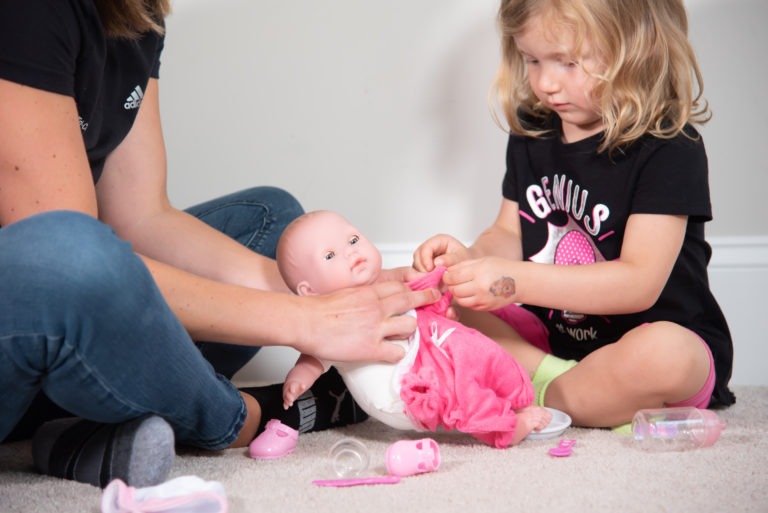
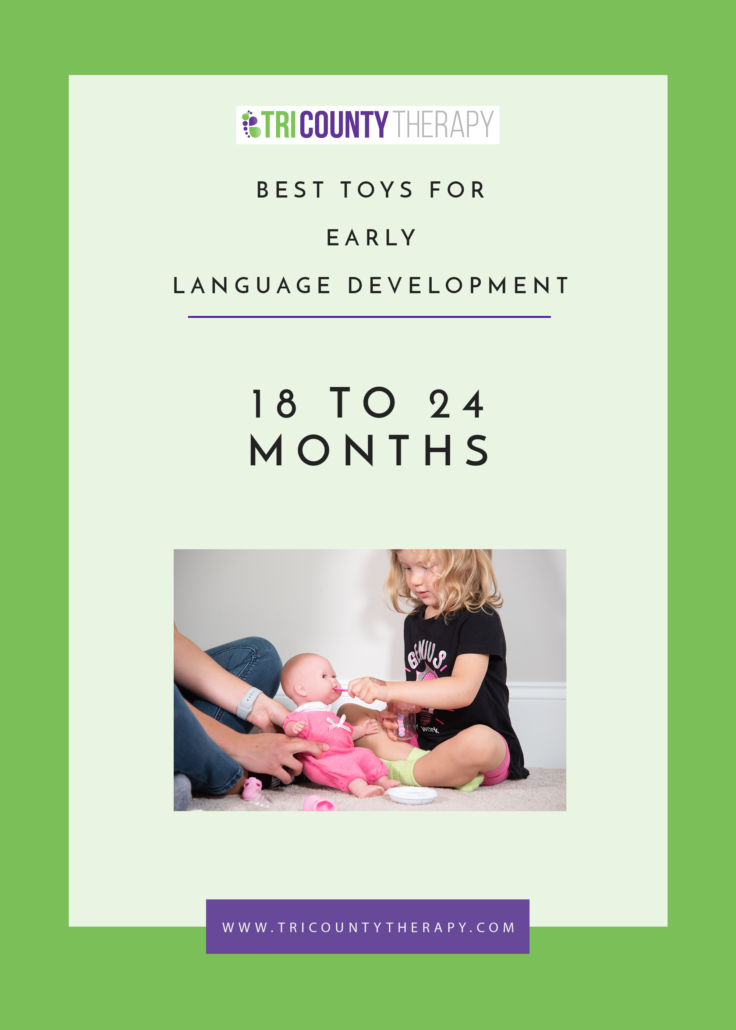
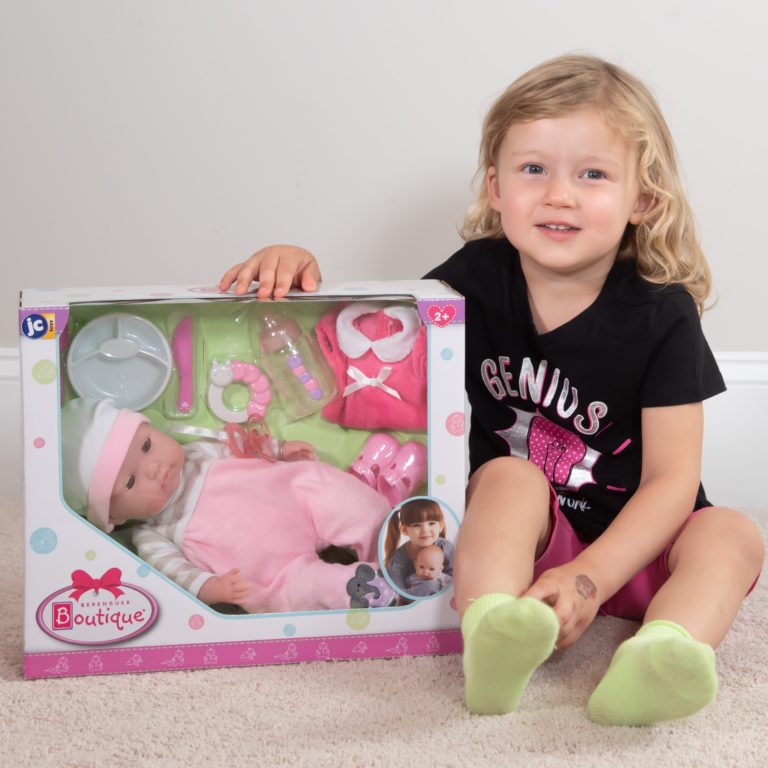
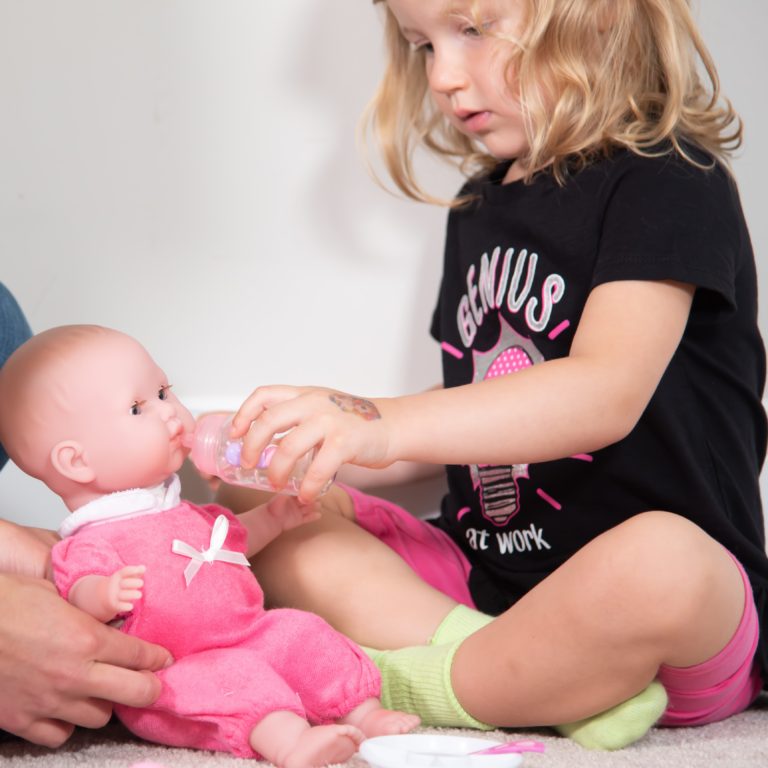
Toddlers are rapidly learning language. They have good control of their hands and fingers and like to do things with small objects.  My top toy pick for this age?  Baby dolls!

Tri County Therapy | Charleston, Anderson, Toys, Therapy Toys, Pediatric Therapy, Occupational Therapy, Physical Therapy, Speech Therapy

Where to find it: Doll babies can be found in many stores. Here’s a link to purchase one on Amazon:

Receptive and Expressive Language Tasks:

Spatial Concepts: on, off, in, up, down, over, under, next to, behind, in front, top, bottom

Vocabulary: label actions (sleep, eat, bathe, crawl) and objects (food, clothing items, body parts)

Qualitative Concepts/Attributes: big, little, colors, soft, hard, wet, dry

Simple Directions: put in, give me, feed baby

Sequencing: bath time routine, bed time routine, meal time routine (first, then, last)

Creative play: feed baby, dress baby, change baby, rock baby, put baby to bed

Social:  requesting, protesting, eye contact, turn taking: take turns feeding baby, hugging baby, greetings, partings

Model language

Tri County Therapy | Charleston, Anderson, Toys, Therapy Toys, Pediatric Therapy, Occupational Therapy, Physical Therapy, Speech Therapy

Fine Motor: Hold baby, move baby, use utensil to feed baby, dress baby

Visual and Spatial Perception: Feed baby

Sensory: Water play with “bathing” baby

Gross Motor: Have toddler walk or crawl to get pieces of the baby; play hide and seek with baby

Tri County Therapy | Charleston, Anderson, Toys, Therapy Toys, Pediatric Therapy, Occupational Therapy, Physical Therapy, Speech Therapy


 Written by: Virginia Liner, MS, CCC-SLP

Lead Speech Language Pathologist

Tri-County Therapy
Tri County Therapy | Charleston, Anderson, Toys, Therapy Toys, Pediatric Therapy, Occupational Therapy, Physical Therapy, Speech Therapy, Ginger Liner

SaveSave

SaveSave

SaveSave

SaveSave

Read More

Best Toys for Early Language Development: 12-18 Months

November 27, 2018Tri-County TherapyBlogbookbrown bearfirst wordslanguagelanguage developmentoccupational therapyOTpediatric therapyphysical therapyspeech therapytoys
Best Toys for Early Language Development: 12-18 Months

Are you wondering what toys to get your child for the holidays that he/she will love AND promote language development?!  We have the perfect ideas for you!

12 Months to 18 Months

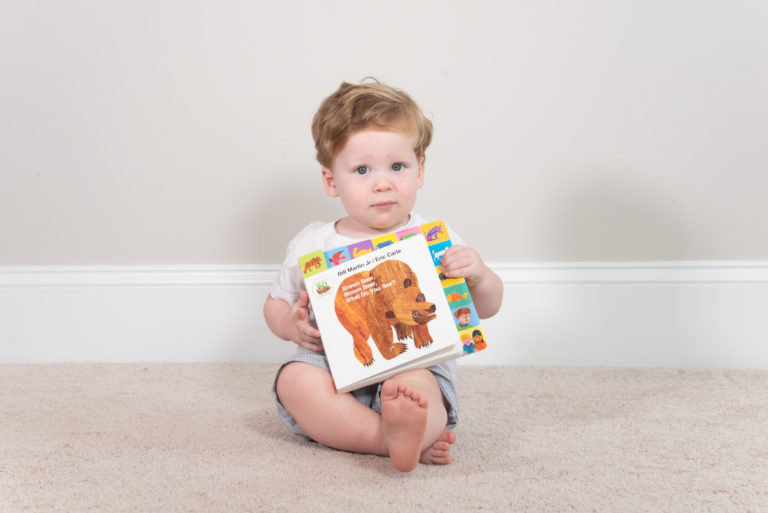
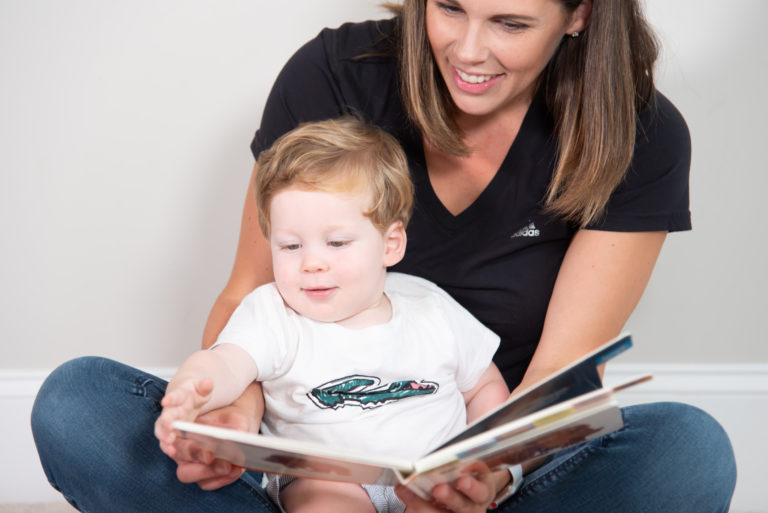
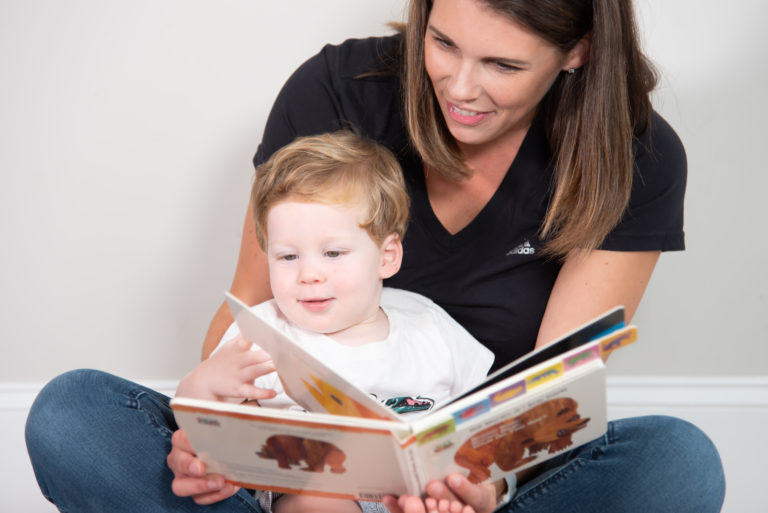
One-year-olds are on the go! They enjoy stories, say their first words, and can play next to other children (but not yet with!). They like to experiment—but need adults to keep them safe.  My top toy pick for this age?  Brown Bear, Brown Bear What Do You See board book!

Tri County Therapy | Charleston, Anderson, Toys, Therapy Toys, Pediatric Therapy, Occupational Therapy, Physical Therapy, Speech Therapy

Where to find it: This book can be found in many stores. Here’s a link to purchase it on Amazon:

Receptive and Expressive Language Tasks:

Vocabulary: animals, colors

Repetition

Animal sounds

Joint attention

Story re-tell

Wh questions: what do you see, where does ___ live, what does it say?

Qualitative Concepts/Attributes: big, little, colors

Sequencing-first, then, last

Counting

Turn taking skills: take turns turning page, saying which animal you see

Creative play: animals talking to one another, animals eating, animals doing various actions

Tri County Therapy | Charleston, Anderson, Toys, Therapy Toys, Pediatric Therapy, Occupational Therapy, Physical Therapy, Speech Therapy

Fine Motor: Picking up book (grasp), turn pages, crafts to make animals

Sensory:  Get same toy animals and put in bath tub or bucket of water, sand, etc.

Gross Motor: sitting up while holding book (stabilize their core)


Tri County Therapy | Charleston, Anderson, Toys, Therapy Toys, Pediatric Therapy, Occupational Therapy, Physical Therapy, Speech Therapy


 Written by: Virginia Liner, MS, CCC-SLP

Lead Speech Language Pathologist

Tri-County Therapy
Tri County Therapy | Charleston, Anderson, Toys, Therapy Toys, Pediatric Therapy, Occupational Therapy, Physical Therapy, Speech Therapy

SaveSave

SaveSave

SaveSave

SaveSave

Read More

Best Toys for Early Language Development: 6-12 Months

November 6, 2018Tri-County TherapyBlogfirst wordslanguagelanguage developmentnesting toysoccupational therapyOTpediatric therapyphysical therapyspeech therapytoys
Best Toys for Early Language Development: 6-12 Months

Are you wondering what toys to get your child for the holidays that he/she will love AND promote language development?!  We have the perfect ideas for you!

6 Months to 12 Months

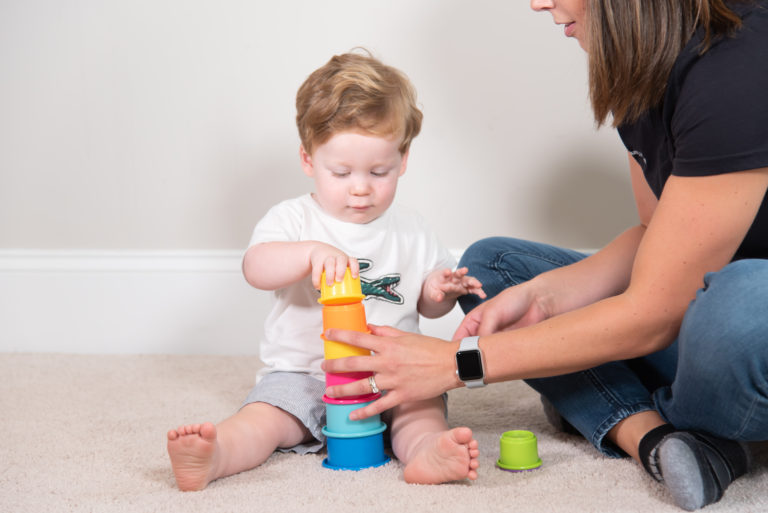
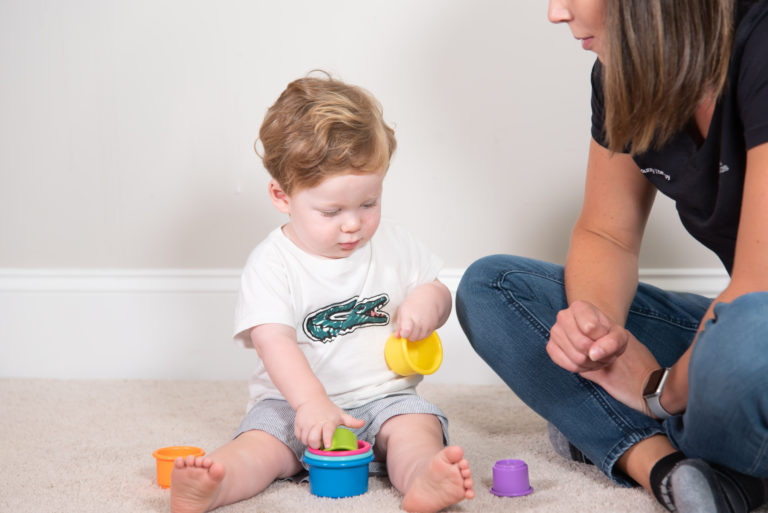
What is a baby’s favorite thing to do at this age?  Looking at familiar faces and following things with their eyes!  They start to become more vocal and move around more at this age.  My top toy pick for this age?  Nesting toys!

Tri County Therapy | Charleston, Anderson, Toys, Therapy Toys, Pediatric Therapy, Occupational Therapy, Physical Therapy, Speech Therapy

Where to find them: Nesting/stacking cups can be found in many stores. Here’s a link to purchase them on Amazon:


Receptive and Expressive Language Tasks:

Spatial Concepts: on, off, in, up, down, over, under, next to, behind, in front, top, bottom

Quantitative Concepts: one, some, all, many, few

Qualitative Concepts/Attributes: big, little, colors

Simple Directions: put in, give me

Counting

Task Completion: clean up, all done

Sequencing: first, then, last

Turn taking skills: take turns stacking a piece

Creative play: stacking blocks upside down, roll them, pretend play (nesting block turns into a house, a nose, a hat, etc.)

Tri County Therapy | Charleston, Anderson, Toys, Therapy Toys, Pediatric Therapy, Occupational Therapy, Physical Therapy, Speech Therapy

Fine Motor: Picking up (grasp) and putting them in place (release)

Visual and Spatial Perception: Stacking

Sensory:  Use the hollow side of the stacking pieces to scoop water, beans, mold play dough

Gross Motor: Sitting up while stacking (stabilize their core); cross mid-line to stack

Tri County Therapy | Charleston, Anderson, Toys, Therapy Toys, Pediatric Therapy, Occupational Therapy, Physical Therapy, Speech Therapy


 Written by: Virginia Liner, MS, CCC-SLP

Lead Speech Language Pathologist

Tri-County Therapy
Tri County Therapy | Charleston, Anderson, Toys, Therapy Toys, Pediatric Therapy, Occupational Therapy, Physical Therapy, Speech Therapy

SaveSave

SaveSave

SaveSave

SaveSave

Read More

How To Have A Sensory-Friendly Halloween: Sensory Ideas for Halloween/Trick-or-Treating

October 30, 2018Tri-County TherapyBlogautismcostumeHalloweenoccupational therapyOTpediatric therapyphysical therapysensory activitiessensory processingsocial storyspeech therapytrick-or-treat
How To Have A Sensory-Friendly Halloween: Sensory Ideas for Halloween/Trick-or-Treating

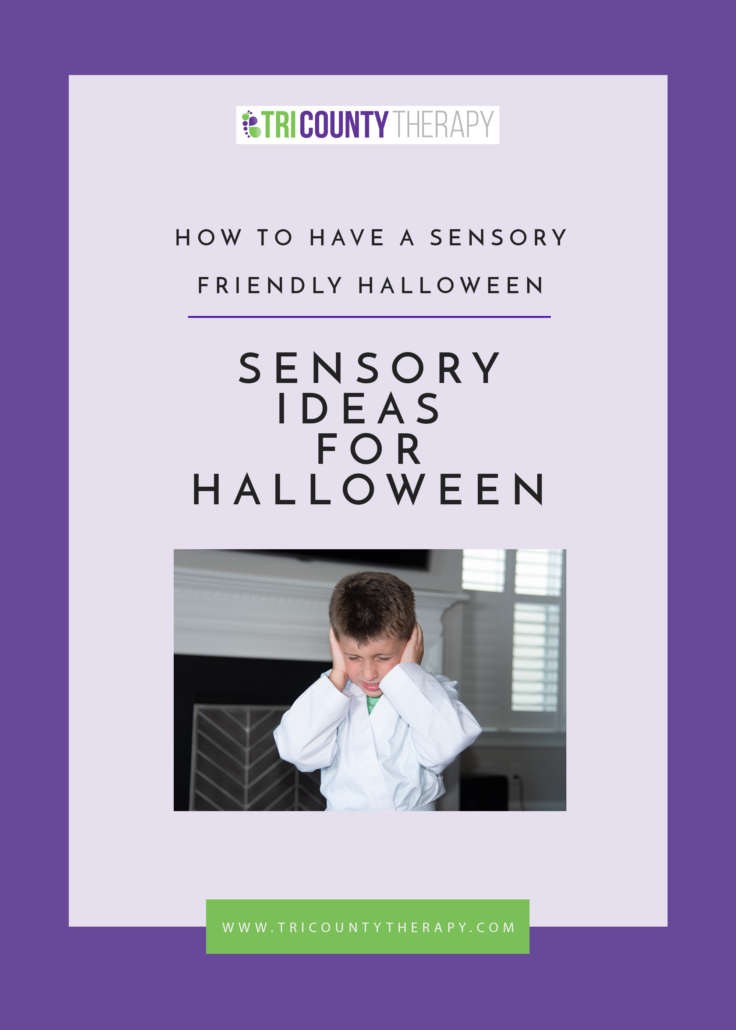
It is incredibly important to know the signs of over-stimulation and strategies for how to help your child avoid a sensory meltdown. While trick-or-treating, be conscious of these signs and intervene at the first sign of over-stimulation. If you have followed each of our October blog posts, you are now well prepared for trick-or-treating, so get out there and have some fun!

Know the Signs of Sensory Over-Stimulation

Blank staring/”spaced-out” look

Crying

Drowsy or falling asleep unexpectedly

Rubbing eyes

Running away

Covering ears

Turning away from you

Yawning when shouldn’t be tired

Covering his/her face with hands

Fussy or cranky

Tri County Therapy | Sensory, Sensory Friendly, Children, Sensory processing disorder, Sensory Integration, therapy   Tri County Therapy | Sensory, Sensory Friendly, Children, Sensory processing disorder, Sensory Integration, therapy


Tri County Therapy | Sensory, Sensory Friendly, Children, Sensory processing disorder, Sensory Integration, therapy

Sensory Strategies to Help Your Child Avoid a Sensory Meltdown or Recover From Over-stimulation During Trick-or-Treating

Provide deep pressure at the first sign of over-stimulation (bear hugs, massage, joint compressions, etc.)

Bring a blanket that you can wrap tightly around your child to provide deep pressure

Pay attention to your environment and try to avoid triggers if possible

Allow time for transitions

Stick to the schedule

Provide your child with verbal warnings for upcoming changes and when the activity will be concluded

Bring noise reduction headphones or headphones for preferred calming music

Bring weighted blanket or vest

Bring a wagon or stroller that you can use to provide your child with calming linear rocking input

A wagon or stroller can also be used as a sensory retreat (a place for you child to remove him or herself from the situation) and take a break

Bring a fidget toy or stress ball

Have your child do heavy work activities like push a sibling in the stroller or pull a sibling in the wagon

Tri County Therapy | Sensory, Sensory Friendly, Children, Sensory processing disorder, Sensory Integration, therapy

Other: Halloween Sensory Activity Ideas

Pumpkin carving

Spider web for praxis skills

Fine motor tongs to remove spiders from sensory bin


Thank you for reading How To Have A Sensory-Friendly Halloween: Sensory Ideas for Halloween/Trick-or-Treating

 Written by: Carleigh Brawley, MS, OTR/L

Lead Occupational Therapist

Tri-County Therapy

Tri County Therapy | Pediatric Occupational Therapy, OT, Kids OT, Child's OT

SaveSave

SaveSave

SaveSave

SaveSave

Read More

How To Have A Sensory-Friendly Halloween: Social Story For Trick-or-Treating

October 23, 2018Tri-County TherapyBlogautismcostumesHalloweenoccupational therapyOTpediatric therapyphysical therapysensory processingsocial storyspeech therapytrick-or-treat
How To Have A Sensory-Friendly Halloween: Social Story For Trick-or-Treating

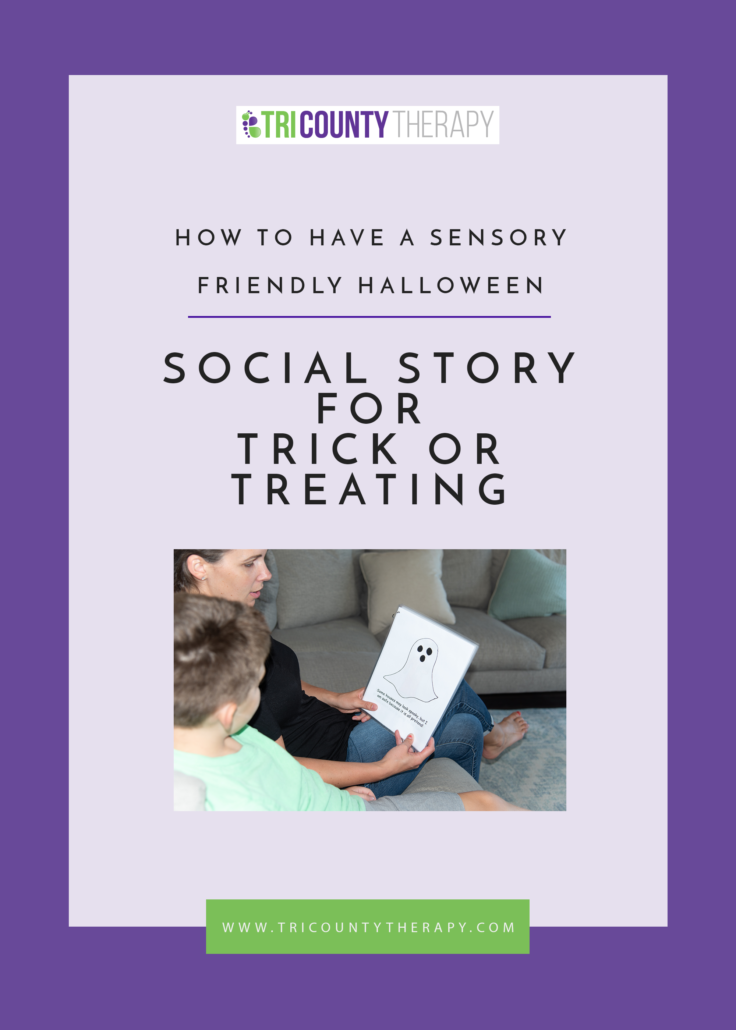
Sensory-avoiding children are often resistant to change because change represents an opportunity to experience unfamiliar and potentially distressing stimulation. Transitions can be challenging for children with sensory differences, as they tend to prefer consistency and routine, so that he knows exactly what to expect. Social stories are a great way to prepare your child for novel experiences or changes in his routine. Social stories are a tool used to help talk-through new situations and prepare for change and transitions.

Tip #1: Create a Trick-or-treating/Halloween Social Story

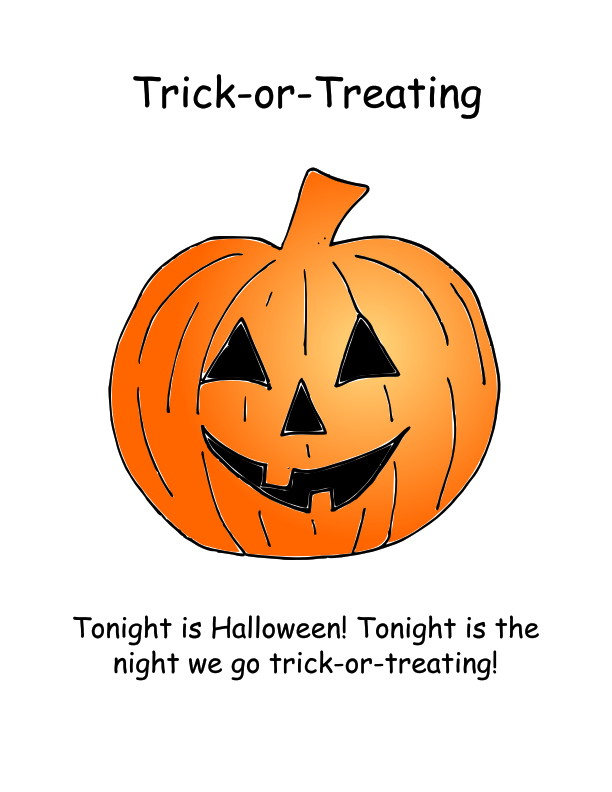
Create a trick-or-treating social story specific to your plans or you can download the general trick-or-treating social story we have created here!

Trick-or-Treating Social Story PDF

Tri County Therapy | Trick or Treating, Halloween, Pediatric Therapy, Charleston, Greenville, Anderson, South Carolina

Tip #2: Read the Social Story 

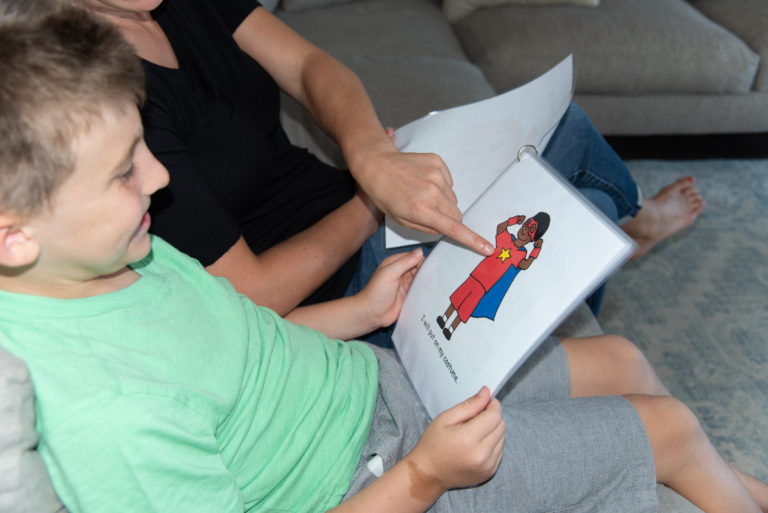
Read the social story to your child every night for at least a week prior to trick-or-treating for Halloween. This will help your child familiarize herself with what to expect and helps give her a sense of control.

Tri County Therapy | Sensory, Sensory Friendly, Children, Sensory processing disorder, Sensory Integration, therapy, OT, PT, ST

Tip #3: Ask Questions About the Social Story  

Ask your child questions regarding the social story to ensure she has understood the story, as it relates to her on Halloween.

Tri County Therapy | Sensory, Sensory Friendly, Children, Sensory processing disorder, Sensory Integration, therapy, OT, PT, ST


Thank you for reading How To Have A Sensory-Friendly Halloween: Social Story For Trick-or-Treating.

 Written by: Carleigh Brawley, MS, OTR/L

Lead Occupational Therapist

Tri-County Therapy

Tri County Therapy | OT, Childs OT, Charleston OT, Carleigh Brawley

SaveSave

SaveSave

SaveSave

SaveSave

Read More

  • Prev
  • 1
  • 2
  • 3
  • 4
  • 5
  • 6
  • 7
  • 8
  • 9
  • 10
  • 11
  • Next

Most Recent Blog Posts

  • Answering Questions About The R Sound Sep 21

    Answering Questions About The R Sound   Does your child...

  • Infant Sitting Tips Jul 28

    Infant Sitting Tips By: Hope James, PT, DPT Sitting briefly with...

  • Warming Up To The Playground Jul 21

    Warming Up To The Playground By: Hope James, PT, DPT...

  • Ideas For Beach Day Play Jul 14

    Beach Day Play By: Hope James, PT, DPT Summer time...

Post Categories & Links

age 3 articulation autism bear theme bedtime buttons camping theme core strength costumes cutting distractions feeding difficulties feeding therapy fine motor fine motor toys first words gift ideas grasp gross motor Halloween handwriting lacing language language development occupational therapy OT pediatric therapy Physical development physical therapy picky eating problem eater PT S.O.S schedule sensory sensory processing snaps social skills speech therapy speech therapy toys therapy toys therapy tunnel toys tracing trick-or-treat

Recent Posts

  • Answering Questions About The R Sound
  • Infant Sitting Tips
  • Warming Up To The Playground
  • Ideas For Beach Day Play
  • Ideas For A New Walker

Recent Comments

    Archives

    • September 2022
    • July 2022
    • June 2021
    • January 2021
    • November 2020
    • April 2019
    • March 2019
    • February 2019
    • January 2019
    • December 2018
    • November 2018
    • October 2018
    • September 2018
    • August 2018
    • July 2018
    • June 2018
    • May 2018
    • April 2018

    Categories

    • Blog
    • Uncategorized

    Meta

    • Log in
    • Entries feed
    • Comments feed
    • WordPress.org

    Service Locations

    Natural Environment

    Preschools & Daycares

    Office Locations


    Contact

    Phone: 888-510-6369

    Fax: 843-277-6237

    Email 

    Careers

    Career Opportunities!


    Search Our Site:

    Copyright ©2016 all rights reserved
    Powered by Tri-County Therapy