HealthFlex
×
  • About
    • Our Team
    • About Us
    • Insurances Accepted
    • What Matters To Us
    • Locations
    • Contact Us
  • Our Services
    • Developmental Screening
    • Enroll In Therapy
    • Formularios de Inscripción en Español
    • BabyNet Referral Inquiry
    • Feeding Therapy
    • Occupational Therapy
    • Physical Therapy
    • Speech Language Pathology
    • Privacy Policy
  • Resources
    • Therapy Tips
    • Records Request
    • Developmental Milestones
      • Articulation & Phonology
      • Feeding
      • Fine Motor
      • Gross Motor
      • Expressive Language
      • Receptive Language
      • Sensory Development
      • Social Skills
    • Physician Referrals
    • Blog
  • Join Our Team!
    • Student Learning

Red Flags During Motor Development: W-Sitting

September 4, 2018Tri-County TherapyBlogcore strengthgross motoroccupational therapypediatric therapyPhysical developmentphysical therapyPTspeech therapyw-sitting
Red Flags During Motor Development: W-Sitting

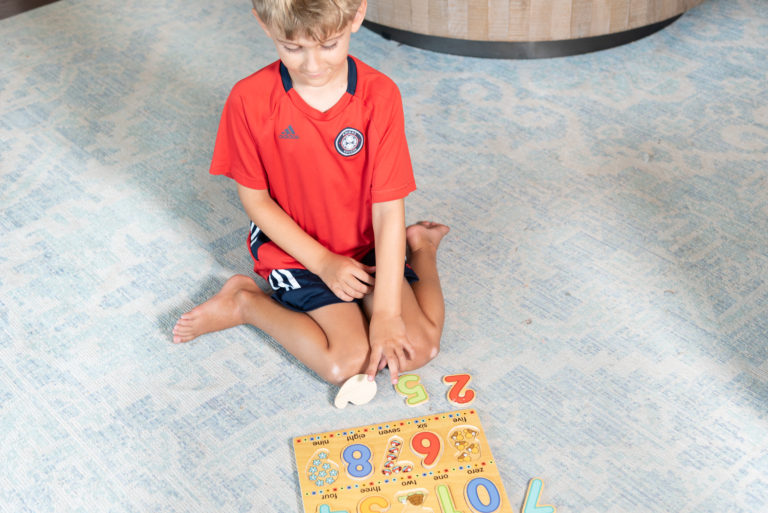
As children, many of us sat in what is considered a “W” position.  This is when children sit on the floor with feet turned out to the sides forming a W-shape with their legs and knees. W-sitting is typically seen when children are transitioning from crawling to sitting and vice versa. As innocent as it seems, W-sitting for long periods of time can cause many long-term problems including poor posture, abnormal hip positioning, increased risk for hip dislocation, impaired balance, in-toeing walking pattern, and frequent tripping.  If you child is unable to sit in a side sit or crisscross position, talk to your pediatrician about further screening and physical therapy services. Physical therapy will address your child’s individual impairments such as poor posture, core weakness, atypical hip positioning, hip weakness, poor balance, and more to improve sitting posture, balance, and coordination!
Tri County Therapy | Children's PT, Therapy, Kids Therapy, Charleston, Greenville, Pediatric Therapy, Motor Skills, W Sitting, PT, OT, ST             Tri County Therapy | Children's PT, Therapy, Kids Therapy, Charleston, Greenville, Pediatric Therapy, Motor Skills, W Sitting, PT, OT, ST

 If you notice your child is frequently W-sitting, try these tips below to help:

Tip #1

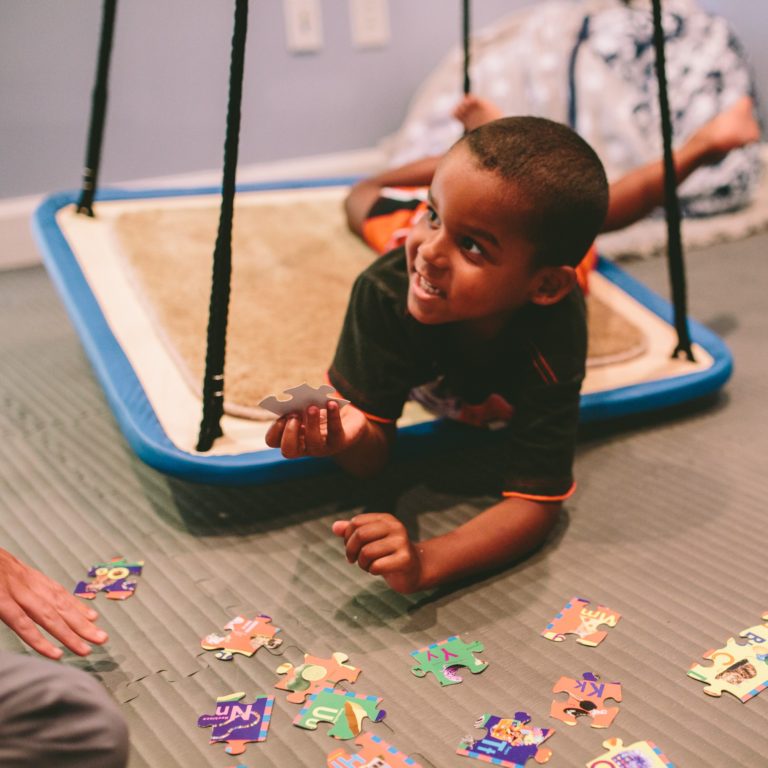
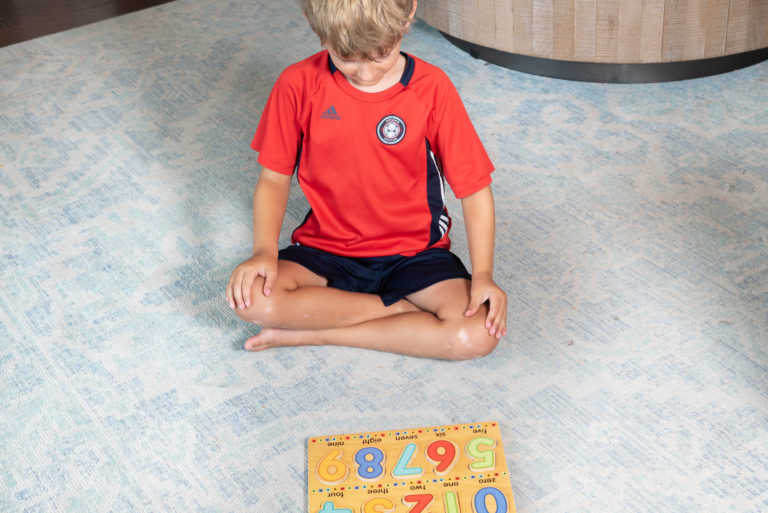
Set aside time in the day specifically for floor-play and activities, whether that is reading, watching a movie, or doing a puzzle and encourage crisscross sitting during this time. The more time your child spends out of w-sit and in a crisscross position, the more comfortable he/she will become in the position and help to break the habit!
 

Tri County Therapy | Children's PT, Therapy, Kids Therapy, Charleston, Greenville, Pediatric Therapy, Motor Skills, W Sitting, PT, OT, ST

Tip #2

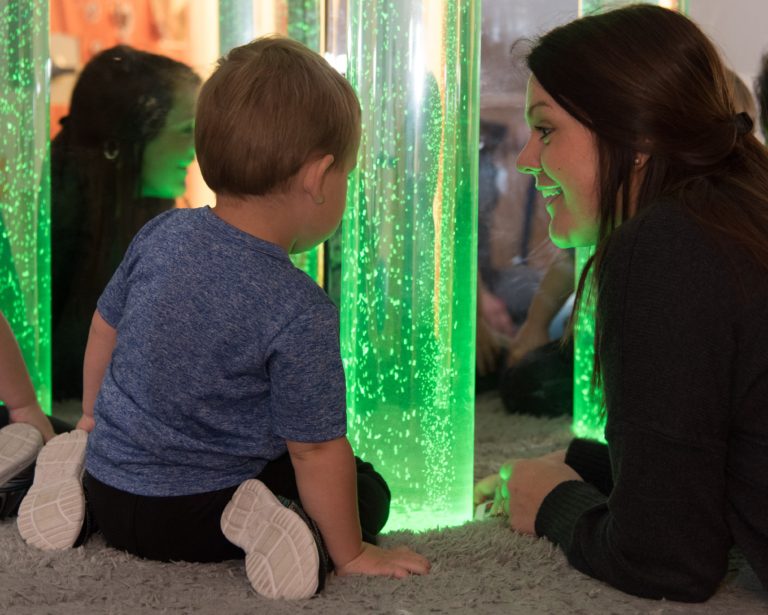
Spend time playing in side-sitting for 20-30 minutes a day, such as when playing with blocks, cars, or playdough. Side-sitting helps to discourage w-sitting, but may be more comfortable for your child as he or she is learning to sit with better leg positioning!
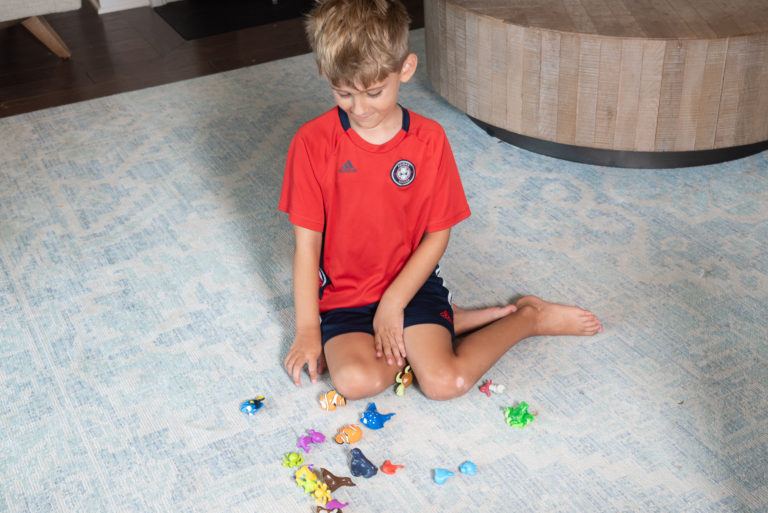
Tri County Therapy | Children's PT, Therapy, Kids Therapy, Charleston, Greenville, Pediatric Therapy, Motor Skills, W Sitting, PT, OT, ST

Tip #3

Work on core (trunk) strength and coordination with fun animal walks! When playing inside or outside have your child walk like an animal such as a bear, crab, alligator, or inch worm. This will help your child improve his/her arm, leg, and core strength, as well as improve coordination and body awareness in a fun and unique way!
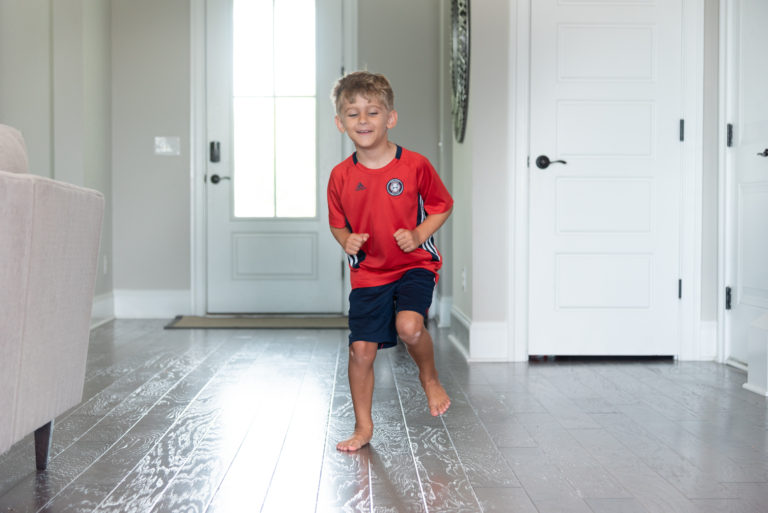
Tri County Therapy | Children's PT, Therapy, Kids Therapy, Charleston, Greenville, Pediatric Therapy, Motor Skills, W Sitting, PT, OT, ST


Thank you for reading, Red Flags During Motor Development: W-Sitting.

 Kimberly Shanahan PT, DPT

Lead Physical Therapist

Tri-County Therapy

Tri County Therapy | Children's PT, Therapy, Kids Therapy, Charleston, Greenville, Pediatric Therapy, Motor Skills, W Sitting, PT, OT, ST, Kimberly Shanahan

SaveSave

SaveSave

SaveSave

SaveSave

Read More

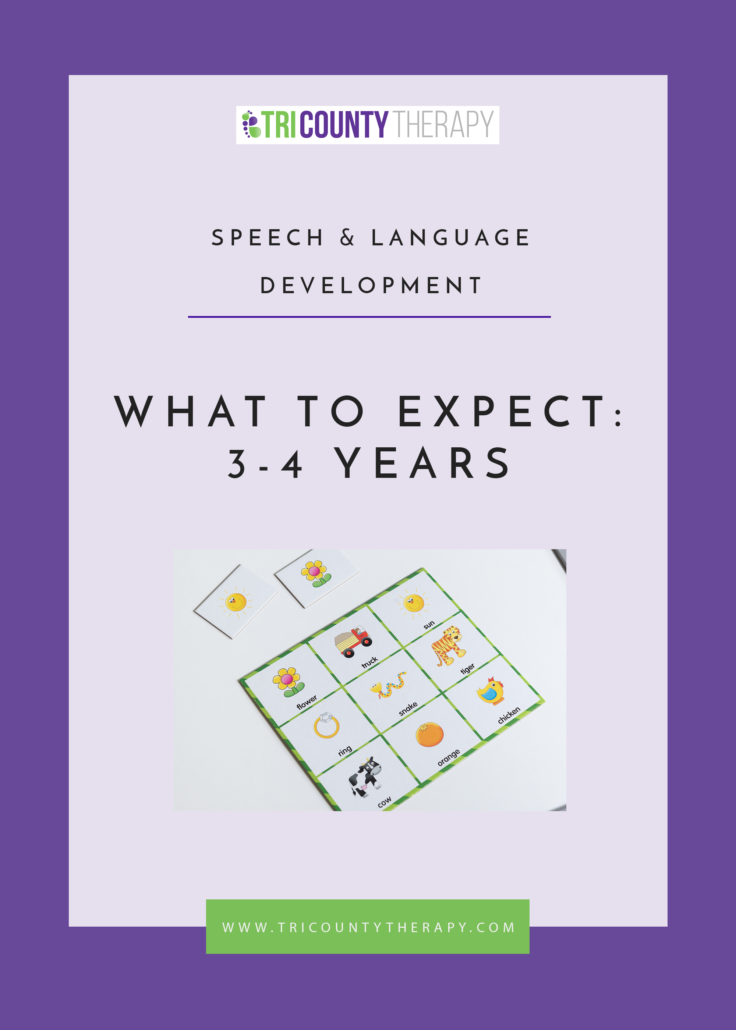
Speech & Language Development: What to Expect, 3-4 Years Old

August 28, 2018Tri-County TherapyBlogage 3age 4articulationlanguage developmentpediatric therapysocial skillsspeech therapy
Speech & Language Development: What to Expect, 3-4 Years Old

During this time, children are learning to put words together to create phrases and short sentences! They are also still learning new words and developing the ability to follow more complex directions. At this age, most people, even those not familiar with your child, should be able to understand what your child is saying. Below are details on what 3-4 year old children should be able to understand, say, and what might be difficult for them.

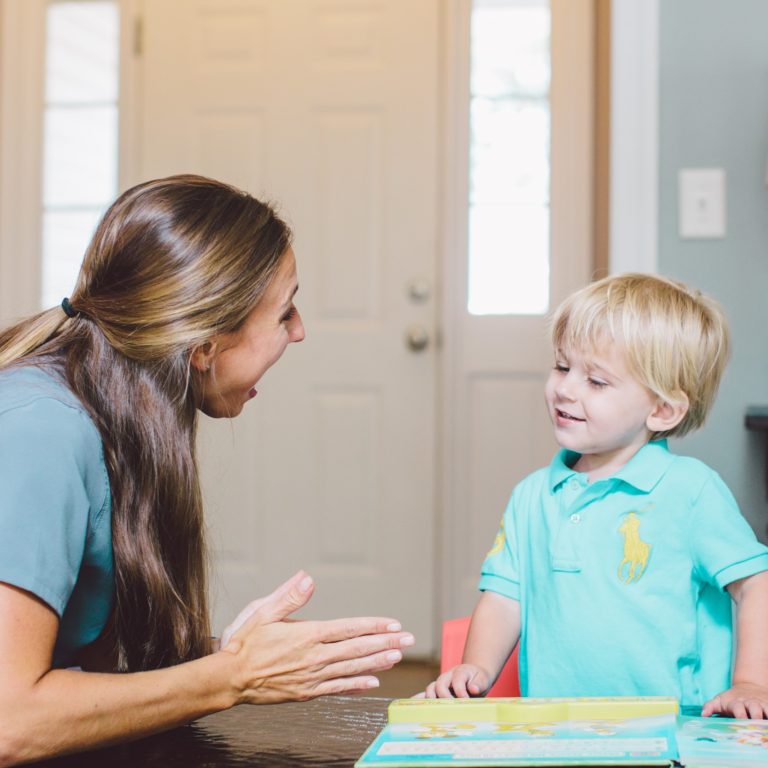
Tri County Therapy | Speech Therapy, ST, Speech Development, social skills, 3 year old, 4 year old, Speech, Words

What should a 3-4 year old child be able to understand?

-When someone is calling them from another room

-Most colors and shapes

-Words for family members, like grandfather, aunt, uncle

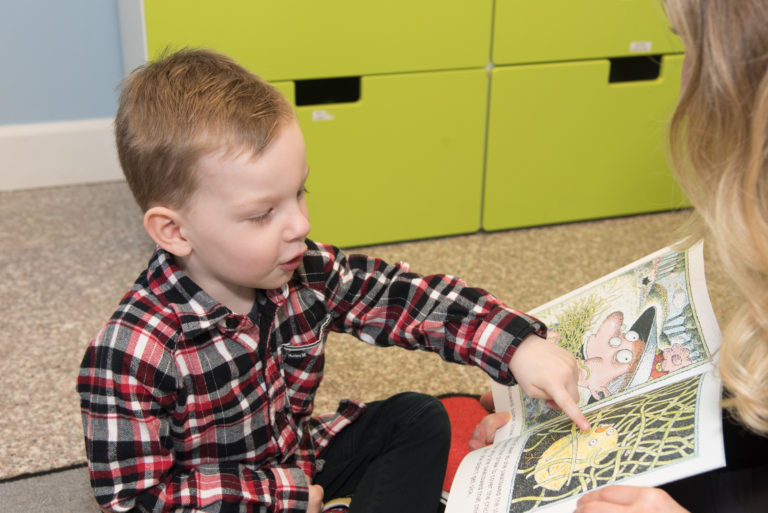
Tri County Therapy | Speech Therapy, ST, Speech Development, social skills, 3 year old, 4 year old, Speech, Words

What should a 3-4 year old child be able to say?

-By 4 years old, a child’s vocabulary should include 1,500-1,600 words!

-Answer simple questions consistently and start to ask questions

-Use rhyming words

-Use plurals, past tense, and pronouns appropriately when communicating

-Use phrases/sentences that include 4+ words

-Uses multiple sentences to tell a story

Tri County Therapy | Speech Therapy, ST, Speech Development, social skills, 3 year old, 4 year old, Speech, Words

What might be difficult for a 3-4 year old child?

-May be difficult to say l, j, sh, ch, s, r, and th sounds.

-May make grammatical errors when speaking

-May repeats sounds or words when talking

-May have difficulty using sentences with more than 1 action word

-May have difficulty understanding words for time

Tri County Therapy | Speech Therapy, ST, Speech Development, social skills, 3 year old, 4 year old, Speech, Words


Thank you for reading Speech & Language Development: What to Expect, 3-4 Years Old.

 Written by: Stephanie Pecht, MA, CCC-SLP

Speech Language Pathologist

AAC Specialist, Tri-County Therapy

Tri County Therapy | Speech Therapy, ST, Speech Development, social skills, 3 year old, 4 year old, Speech, Words, Stephanie Pecht

SaveSave

SaveSave

SaveSave

SaveSave

Read More

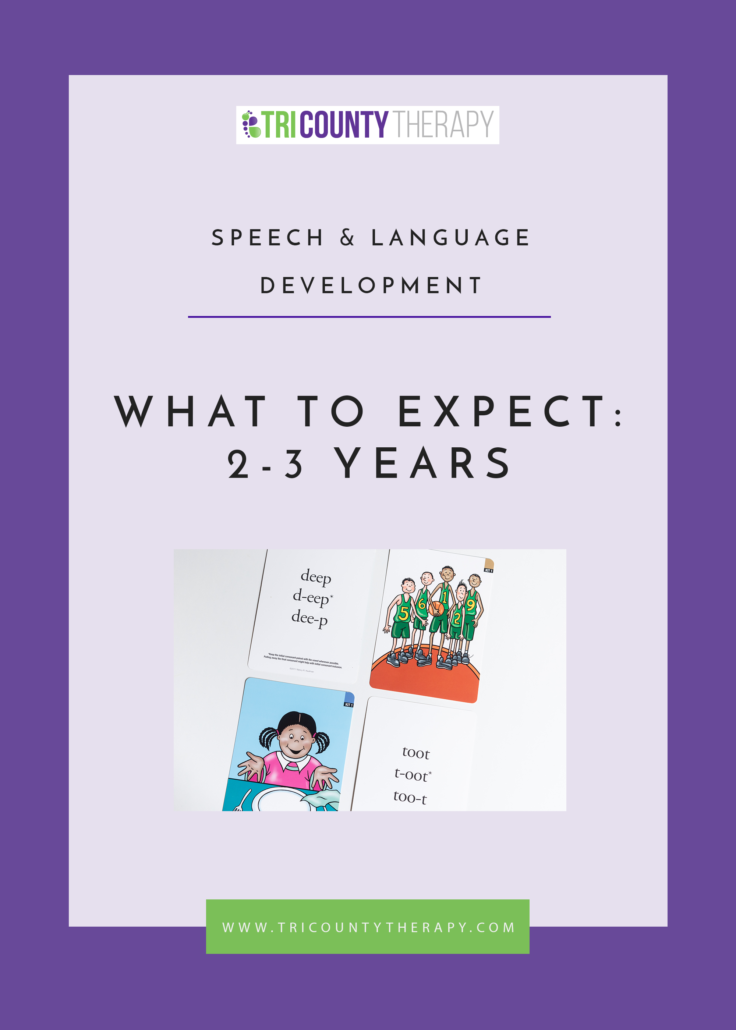
Speech & Language Development: What to Expect, 2-3 Years Old

August 21, 2018Tri-County TherapyBlogage 2age 3articulationlanguage developmentpediatric therapysocial skillsspeech therapy
Speech & Language Development: What to Expect, 2-3 Years Old

During this time, children are learning new words constantly and learning to put words together! They are also developing the ability to follow more complex directions.  Below are details on what 2-3 year old children should be able to understand, say, and what might be difficult for them.

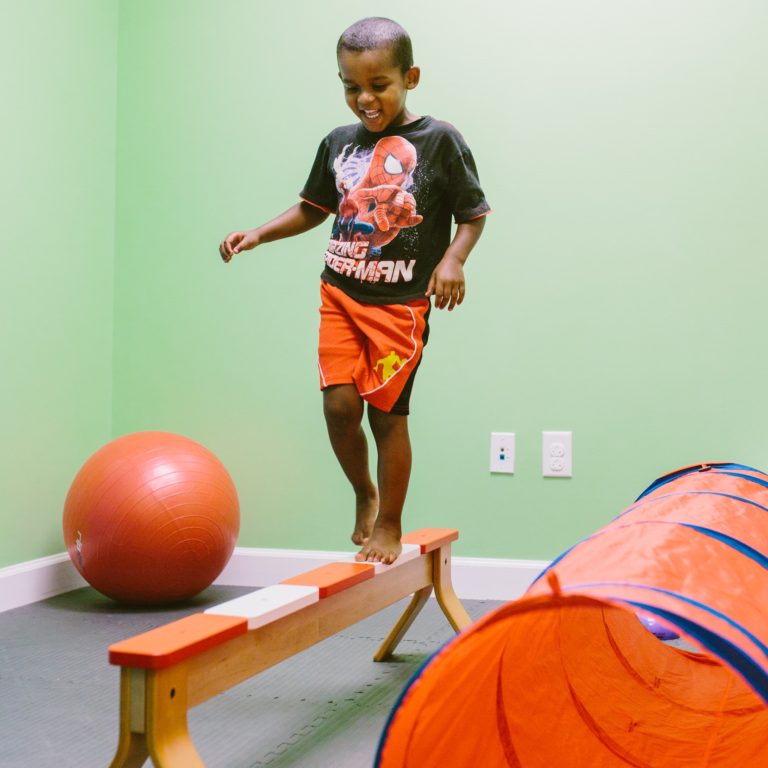
Tri County Therapy | Charleston, Anderson, Toys, Therapy Toys, Pediatric Therapy, Occupational Therapy, Physical Therapy, Speech Therapy, Pirate Play

What should a 2-3 year old child be able to understand?

-Opposites, like on/off, up/down, in/out

-How to follow 2-step directions, like “Get your toy and put it in the box”

-Understand new words

-Understand size concepts, like big/little

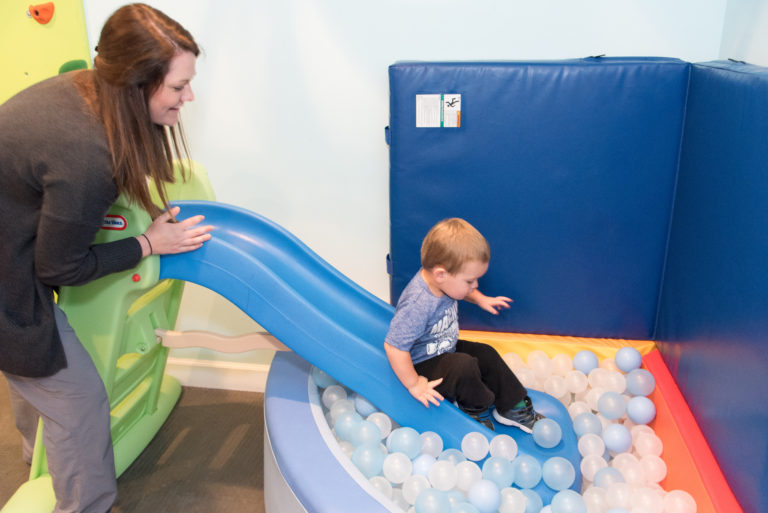
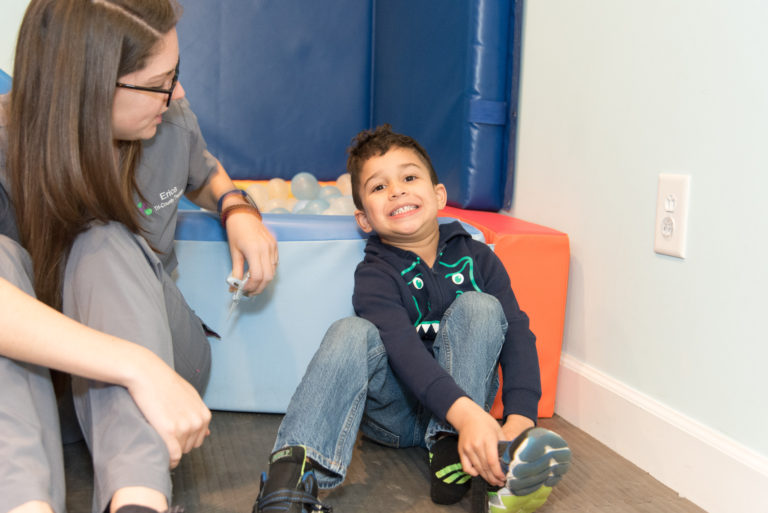
Tri County Therapy | Charleston, Anderson, Toys, Therapy Toys, Pediatric Therapy, Occupational Therapy, Physical Therapy, Speech Therapy, Ball Pit 

What should a 2-3 year old child be able to say?

-A word for almost everything. During this time, vocabulary grows to about 900-1,000 words!

-Talk about things they cannot see/not in the room

-Use positional words like, in, on, and under

-Use 2-3 words together

-Ask WHY questions

-Use sounds k, g, f, t, d, and n.

-Start using irregular past tense verbs, like ate, ran

-Start using possessive –s, like Mike’s shoe

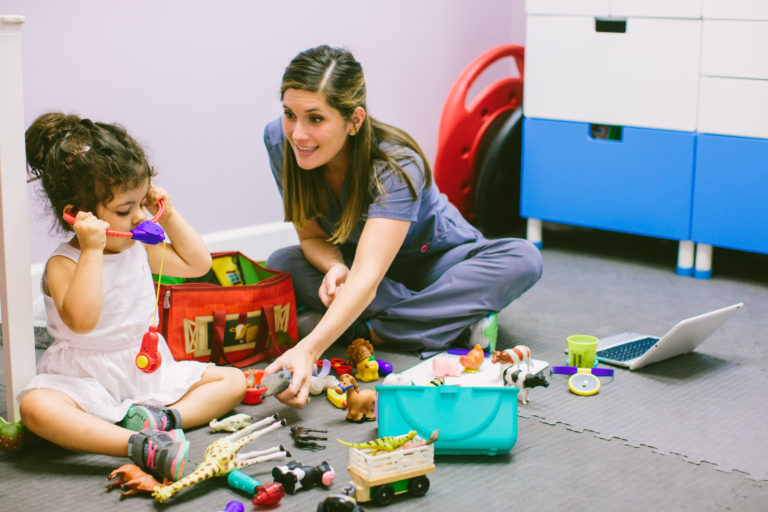
Tri County Therapy | Charleston, Anderson, Toys, Therapy Toys, Pediatric Therapy, Occupational Therapy, Physical Therapy, Speech Therapy

What might be difficult for a 2-3 year old child?

-May be difficult to say y, v, l, j, sh, ch, s, r, and th sounds.

-May repeat words or sounds while talking

-May have difficulty using negatives, like nobody, no one OR may use double negatives.


 Written by: Stephanie Pecht, MA, CCC-SLP

Speech Language Pathologist

AAC Specialist, Tri-County Therapy

Tri County Therapy | Charleston, Anderson, Toys, Therapy Toys, Pediatric Therapy, Occupational Therapy, Physical Therapy, Speech Therapy

SaveSave

SaveSave

SaveSave

SaveSave

Read More

Speech & Language Development: What to Expect, 1-2 Years Old

August 14, 2018Tri-County TherapyBlogage 1age 2articulationlanguage developmentpediatric therapysocial skillsspeech therapy
Speech & Language Development: What to Expect, 1-2 Years Old

During this time, children are learning how to use single words, name pictures, ask questions, and are starting to put two words together.  They are also learning new words and developing the ability to follow simple directions and understand questions.  Below are a few examples of what 1-2 year old children should be able to understand, say, and what might be difficult for them.

Tri County Therapy | Charleston, Anderson, Toys, Therapy Toys, Pediatric Therapy, Occupational Therapy, Physical Therapy, Speech Therapy, Speech and Language Development, ST

What should a 1-2 year old child be able to understand?

– Identify some body parts on self or a doll, like “touch foot”

-How to follow simple directions, like “give me”

-How objects are used during play, like drink with a cup or stir with a spoon

-Simple questions, like “Where is mommy?”

-Point to common pictures

-Listen to stories, finger plays, and songs

 Tri County Therapy | Charleston, Anderson, Toys, Therapy Toys, Pediatric Therapy, Occupational Therapy, Physical Therapy, Speech Therapy, Speech Language Development, ST

What should a 1-2 year old child be able to say?

-Use new words. During this time, vocabulary grows from about 200-300 words over this time period!

-Use “true” words combined with jargon or babbling

-Ask for “more”

-Start using present progressive verb tense, though grammar may be incorrect, like “I eating”

-Use words to “protest”, like “no more” or “all done”

-Name common pictures in books/pictures

-Use 2 words together

-Ask simple WHAT, WHO, and WHERE questions

-Use sounds p, b, m, h, w

Tri County Therapy | Charleston, Anderson, Toys, Therapy Toys, Pediatric Therapy, Occupational Therapy, Physical Therapy, Speech Therapy, Speech Language Development, ST

What might be difficult for a 1-2 year old child?

-May be difficult to say k, g, f, t, d, f, y, v, l, j, sh, ch, s, r, and th sounds.

-May have difficulty combining more than 2 words to communicate

-May have difficulty using negatives

-May have difficulty answering yes/no questions


 Written by: Stephanie Pecht, MA, CCC-SLP

Speech Language Pathologist

AAC Specialist, Tri-County Therapy

Tri County Therapy | Charleston, Anderson, Toys, Therapy Toys, Pediatric Therapy, Occupational Therapy, Physical Therapy, Speech Therapy

SaveSave

SaveSave

SaveSave

SaveSave

Read More

Augmentative & Alternative Communication Options

August 7, 2018Tri-County TherapyBlogAACAlternative Communicationarticulationcommunicationfirst wordslanguage developmentpediatric therapysocial skillsspeech therapy
Augmentative & Alternative Communication Options

Alternative and Augmentative Communication

What is AAC?

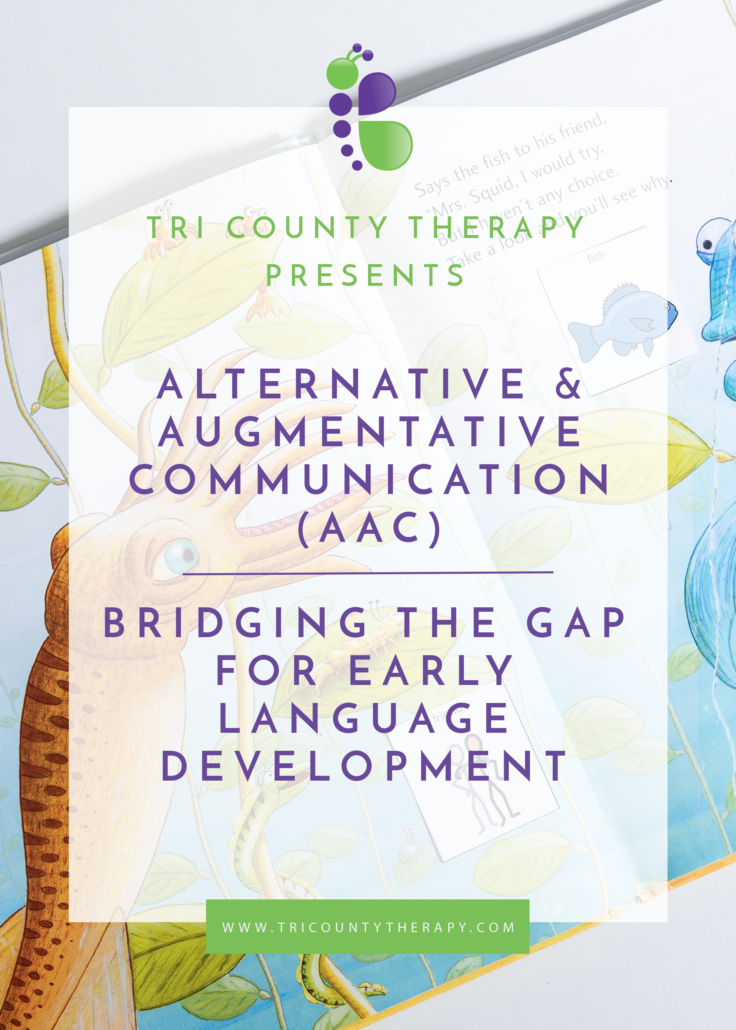
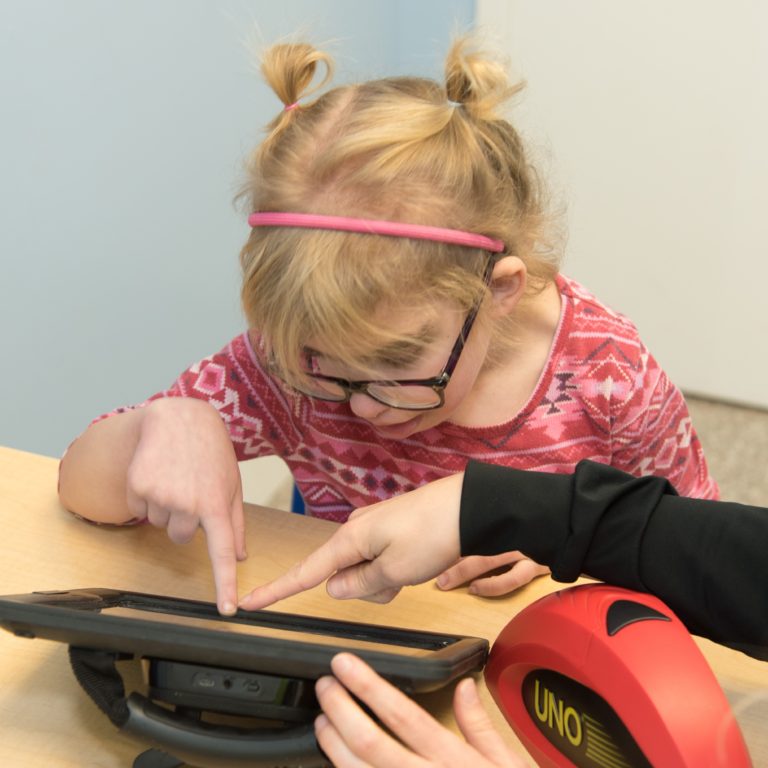
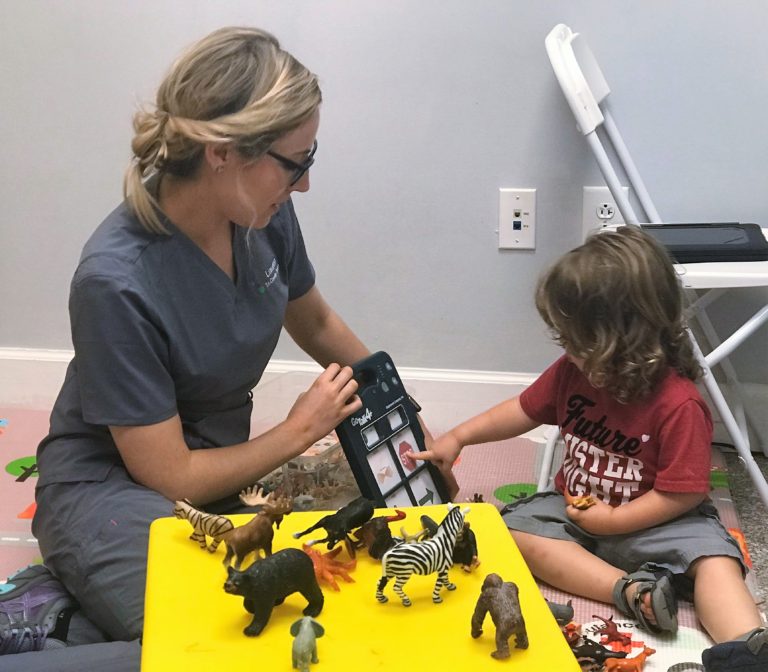
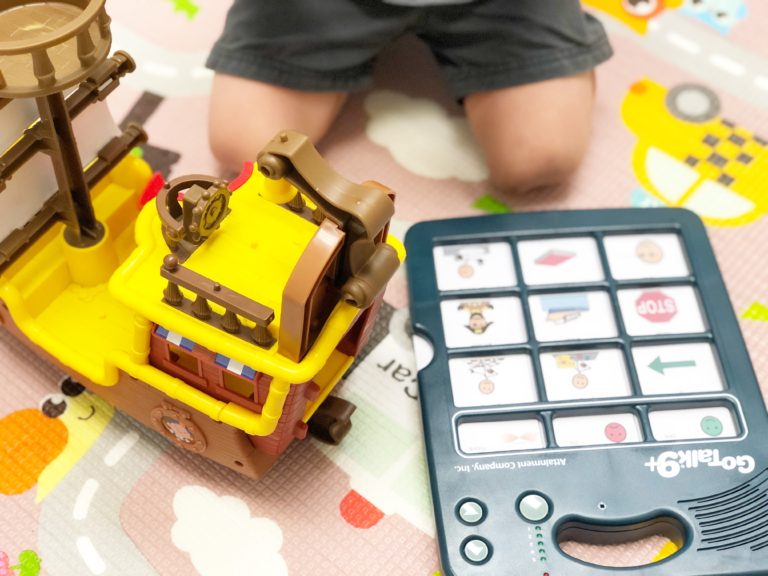
Alternative and Augmentative Communication (AAC) is an umbrella term that can include sign language, picture exchange communication and speech generating devices (i.e. iPad, GoTalk, etc.).  AAC can be used to supplement verbal communication for those kiddos who need a little help or it serve as a total communication system for non-verbal kiddos.  AAC is an extremely important tool to help increase a child’s ability to communicate and decrease his frustration.

Tri County Therapy | Charleston, Anderson, Toys, Therapy Toys, Pediatric Therapy, Occupational Therapy, Physical Therapy, Speech Therapy, Children Therapist, Therapy, AAC

Who can use AAC?

ANYONE! In fact, most people use AAC and don’t know it! Texting, writing, body language, and gestures are all examples of AAC most people use daily. Any person who needs support in communicating efficiently can use AAC communication systems. Specifically, AAC should be considered for children with expressive language delays or those who are unable to express themselves with speech alone (Apraxia of speech, articulation disorders, Autism, expressive language delays, etc). Early implementation of AAC (children under 3) can lead to increased vocabulary skills and may help children develop speech and language skills.

Tri County Therapy | Charleston, Anderson, Toys, Therapy Toys, Pediatric Therapy, Occupational Therapy, Physical Therapy, Speech Therapy, AAC

Will AAC stop/delay children from using natural speech?

As a parent, you may be concerned that by having your child AAC, it may discourage her from trying to talk. Various researchers have addressed this question, and the short answer is ‘no’, results indicate that AAC will not negatively impact speech development.  In fact, AAC use may actually lead to increased speech and language skills!

Tri County Therapy | Charleston, Anderson, Toys, Therapy Toys, Pediatric Therapy, Occupational Therapy, Physical Therapy, Speech Therapy, AAC, ST

What is our goal?

Our goal is to provide a means for children to communicate efficiently and functionally in all environments. The introduction of AAC is way of supporting/enhancing a child’s attempts to communicate functionally and not to decrease verbal communication.  AAC is an important tool that is beneficial in closing the gap for children with speech and language delays.  Therapists are never ‘giving up’ on speech, but are searching for a way to decrease frustration and increase a child’s involvement.

For more information contact your child’s Speech-Language Pathologist or visit:

http://aacinstitute.org/

https://www.asha.org/public/speech/disorders/aac/


 Written by: Stephanie Pecht, MA, CCC-SLP

Speech Language Pathologist

AAC Specialist, Tri-County Therapy

Tri County Therapy | Charleston, Anderson, Toys, Therapy Toys, Pediatric Therapy, Occupational Therapy, Physical Therapy, Speech Therapy, ST

SaveSave

SaveSave

SaveSave

SaveSave

Read More

Fine Motor Skills: Preschool Readiness, Fantastic at Age 5

July 30, 2018Tri-County TherapyBlogage 5buttonscuttingfine motorgrasphandwritinglacingoccupational therapypediatric therapyphysical therapysensory processingsnapsspeech therapytracing
Fine Motor Skills: Preschool Readiness, Fantastic at Age 5

At five years of age, your child is either in or getting ready to enter kindergarten and there is a whole new set of skills your child will develop and refine. Here’s what to expect for your fantastic five year old!

Fantastic at 5:

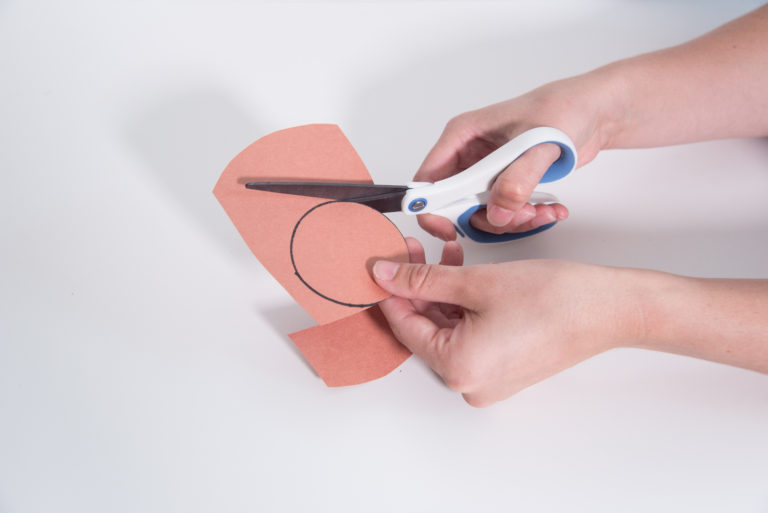
Scissor Skills: At five, your child should be able to cut both angled and curved lines with good accuracy.  He should be able to maneuver scissors around pictures (after demonstration) that are at least 6” in length and width and whose outlines are no more than ¼” wide.  One great way to practice this skill is to have your child cut out a dot-to-dot number worksheet, as this also helps to develop visual scanning by following not only the line, but the numbers as well!

Tri County Therapy | Charleston, Anderson, Toys, Therapy Toys, Pediatric Therapy, Occupational Therapy, Physical Therapy, Speech Therapy, Therapy Activity, Scissors, Fine Motor Skills

Pre-Writing/Pencil Skills: By kindergarten, your child will be using a dynamic tripod/quadrupod type grasp.  This is the most mature grasp where the fingertips are used for control of the pencil versus a more immature/rudimentary grasp.  Pencil movement is powered by the fingers, while the wrist and forearm remain still in order to stabilize the hand. You’ll find that your child can now write his name and form most numbers, however reversals are common.

Tri County Therapy | Charleston, Anderson, Toys, Therapy Toys, Pediatric Therapy, Occupational Therapy, Physical Therapy, Speech Therapy, Fine Motor Skills, Preschool, Preschool ready

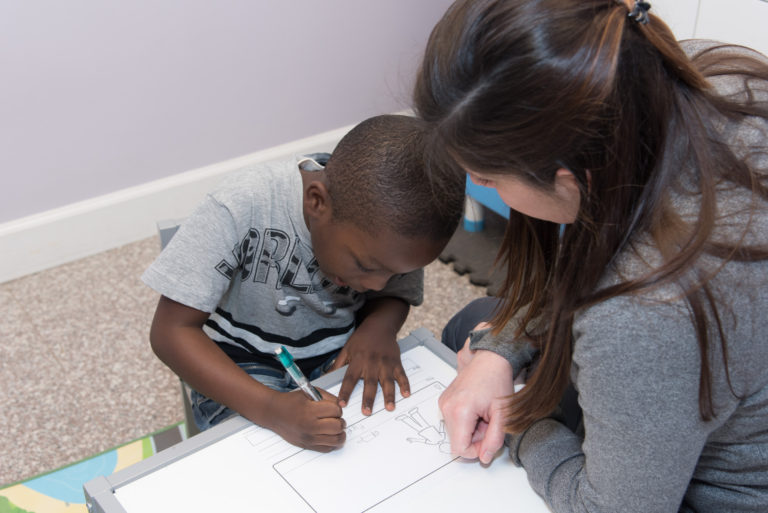
Eye-Hand Coordination: He should be able to draw a person with at least 6 parts and catch a tennis ball tossed to him. Interlocking puzzles, find-the-number worksheets, catching/throwing, obstacle courses, and mazes are all excellent for eye-hand coordination!

Tri County Therapy | Charleston, Anderson, Toys, Therapy Toys, Pediatric Therapy, Occupational Therapy, Physical Therapy, Speech Therapy, Preschool, Preschool Ready, Fine Motor Skills

Daily Living Skills: By this age, your child should be able to open all fasteners on any article of clothing and engage/pull up a zipper while wearing clothing.  He should be taking an interest in tying his shoes and showering independently.  He should be able to wash dishes and use the microwave with supervision.

Tri County Therapy | Charleston, Anderson, Toys, Therapy Toys, Pediatric Therapy, Occupational Therapy, Physical Therapy, Speech Therapy, Fine Motor Skills, Preschool Ready


 Written by: Rachel Merrick

Lead Occupational Therapist

Tri-County Therapy
Tri County Therapy | Charleston, Anderson, Toys, Therapy Toys, Pediatric Therapy, Occupational Therapy, Physical Therapy, Speech Therapy, Fine Motor Skills

SaveSave

SaveSave

SaveSave

SaveSave

Read More

  • Prev
  • 1
  • 2
  • 3
  • 4
  • 5
  • 6
  • 7
  • 8
  • 9
  • 10
  • 11
  • Next

Most Recent Blog Posts

  • Answering Questions About The R Sound Sep 21

    Answering Questions About The R Sound   Does your child...

  • Infant Sitting Tips Jul 28

    Infant Sitting Tips By: Hope James, PT, DPT Sitting briefly with...

  • Warming Up To The Playground Jul 21

    Warming Up To The Playground By: Hope James, PT, DPT...

  • Ideas For Beach Day Play Jul 14

    Beach Day Play By: Hope James, PT, DPT Summer time...

Post Categories & Links

age 3 articulation autism bear theme bedtime buttons camping theme core strength costumes cutting distractions feeding difficulties feeding therapy fine motor fine motor toys first words gift ideas grasp gross motor Halloween handwriting lacing language language development occupational therapy OT pediatric therapy Physical development physical therapy picky eating problem eater PT S.O.S schedule sensory sensory processing snaps social skills speech therapy speech therapy toys therapy toys therapy tunnel toys tracing trick-or-treat

Recent Posts

  • Answering Questions About The R Sound
  • Infant Sitting Tips
  • Warming Up To The Playground
  • Ideas For Beach Day Play
  • Ideas For A New Walker

Recent Comments

    Archives

    • September 2022
    • July 2022
    • June 2021
    • January 2021
    • November 2020
    • April 2019
    • March 2019
    • February 2019
    • January 2019
    • December 2018
    • November 2018
    • October 2018
    • September 2018
    • August 2018
    • July 2018
    • June 2018
    • May 2018
    • April 2018

    Categories

    • Blog
    • Uncategorized

    Meta

    • Log in
    • Entries feed
    • Comments feed
    • WordPress.org

    Service Locations

    Natural Environment

    Preschools & Daycares

    Office Locations


    Contact

    Phone: 888-510-6369

    Fax: 843-277-6237

    Email 

    Careers

    Career Opportunities!


    Search Our Site:

    Copyright ©2016 all rights reserved
    Powered by Tri-County Therapy