HealthFlex
×
  • About
    • Our Team
    • About Us
    • Insurances Accepted
    • What Matters To Us
    • Locations
    • Contact Us
  • Our Services
    • Developmental Screening
    • Enroll In Therapy
    • Formularios de Inscripción en Español
    • BabyNet Referral Inquiry
    • Feeding Therapy
    • Occupational Therapy
    • Physical Therapy
    • Speech Language Pathology
    • Privacy Policy
  • Resources
    • Therapy Tips
    • Records Request
    • Developmental Milestones
      • Articulation & Phonology
      • Feeding
      • Fine Motor
      • Gross Motor
      • Expressive Language
      • Receptive Language
      • Sensory Development
      • Social Skills
    • Physician Referrals
    • Blog
  • Join Our Team!
    • Student Learning

How To Have A Sensory-Friendly Halloween: Prepare For Meeting New People

October 16, 2018Tri-County TherapyBlogautismcostumesHalloweenoccupational therapyOTpediatric therapyphysical therapysensory processingsocial skillsspeech therapytrick-or-treat
How To Have A Sensory-Friendly Halloween: Prepare For Meeting New People

Children with sensory differences may establish certain rituals and routines to carefully control the sensory input she receives from the environment. Sensory-avoiding children are often resistant to change, including new people, because change represents an opportunity to be bombarded with unfamiliar and perceive harmful stimulation. Meeting new people can be especially challenging for children with sensory differences, as they tend to prefer consistency and sameness.

Tip #1: Use Cards to Increase Understanding of Sensory Processing Disorder During Trick-or-Treating

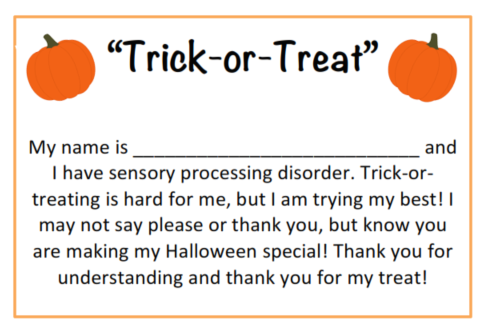
Have your child hand out cards like the ones you see here (+ pic of card) or download the free printable version (http://www.positivelyautism.com/downloads/TrickOrTreatCards.pdf ) to hand out during trick-or-treating. These cards can help raise awareness of sensory processing disorder and help others understand why your child might act differently than other trick-or-treaters. These cards will help people understand that your child is doing the best she can to participate and enjoy this fun activity!
Tri County Therapy | Sensory, Sensory Friendly, Children, Sensory processing disorder, Sensory Integration, therapy

Tip #2: Practice Trick-or-Treating at Your Own House or at Those of Friends and Family

Practicing can help your child know what to expect during trick-or-treating. Simply ask your family and friends if you could come practice at their house so that your child can become more comfortable with the process of trick-or-treating.

Tip #3: Pair up With a Familiar Buddy for Trick-or-Treating

Ask a friend or family member to have her child trick-or-treat with your child. Make sure your child is familiar with the child that you have chosen to go trick-or-treating with your family. Having a friendly face to trick-or-treat with your child can help comfort her and relieve some of the pressure she might feel to engage with strangers.


Thank you for reading How To Have A Sensory-Friendly Halloween: Prepare For Meeting New People.

Written by: Carleigh Brawley, MS, OTR/L

Lead Occupational Therapist

Tri-County Therapy

Tri County Therapy | Sensory, Sensory Friendly, Children, Sensory processing disorder, Sensory Integration, therapy, Carleigh Brawley, OT, ST, PT

SaveSave

SaveSave

SaveSave

SaveSave

Read More

How To Have A Sensory-Friendly Halloween: Costume Choices

October 9, 2018Tri-County TherapyBlogautismcostumesHalloweenoccupational therapypediatric therapysensory processingspeech therapytrick-or-treat
How To Have A Sensory-Friendly Halloween: Costume Choices

Children with sensory sensitivities often have a low tolerance for incoming sensory stimulation and therefore, may become bothered by certain sensory input (such as lights, noises, or smells) more than peers. These children may become disruptive and agitated in attempt to avoid an aversive stimulus. Therefore, it is incredibly important that we understand our children’s sensory needs and make smart costume choices!

Tip #1: Choose a Costume Your Child Can Wear Over His/Her Clothes

 Children with extreme sensory sensitivities have low thresholds for incoming sensory stimulation and can become distracted or distressed when these thresholds are exceeded. So, when picking a costume, choose wisely to make trick-o- treating as enjoyable as possible for everyone! Choose fabrics that are similar in texture to the ones you know your child already tolerates wearing on a day-to-day basis. If you can’t find a costume made of similar fabrics, then choose a costume that your child can wear over his or her normal clothes to create a barrier.

Tri County Therapy | Sensory, Sensory Friendly, Children, Sensory processing disorder, Sensory Integration, therapy, OT,PT,ST, Charleston, Greenville

Tip #2: Choose a Costume That Provides Your Child With Squeezing/Calming Pressure

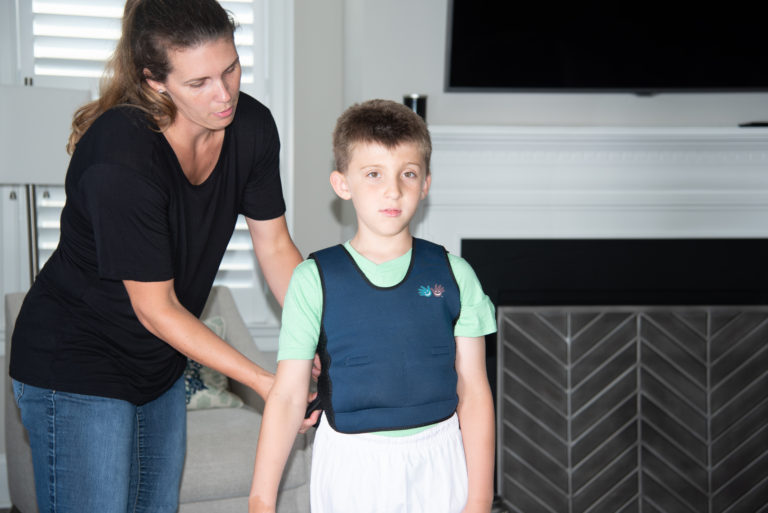
If possible, choose a costume that provides your child with deep pressure, as this gives her calming input throughout the day/night. In response to squeezing or dee pressure, our sensory system produces a neurochemical that has a calming effect on other sensory systems.  If you can’t find a costume that provides this deep pressure, try allowing your child to wear a heavy backpack as part of his costume. Be creative! Maybe it could be a ninja turtle shell backpack, or he could even wear a cape over the weighted backpack so it can’t be seen. A Lycra/Spandex suit type costume is another good costume choice that may provide your child with calming proprioceptive input. Allowing your child to wear something weighted or tight will provide her with calming input that may make everyone’s night more enjoyable!

Tri County Therapy | Sensory, Sensory Friendly, Children, Sensory processing disorder, Sensory Integration, therapy, OT,PT,ST, Charleston, Greenville

Tip #3: Avoid Light Touch From Costumes

When possible, try to avoid costumes that require face painting, masks covering your child’s face, or have parts, such as tags or tassels, which might irritate your child’s light touch receptors. A child with tactile sensitivities might be aversive to light tactile input on her face or be bothered by certain textures like masks or face paint. Light touch is considered an alerting sensory input and is typically less tolerable than deep pressure input, as it can cause distress in your child.

Tri County Therapy | Sensory, Sensory Friendly, Children, Sensory processing disorder, Sensory Integration, therapy, OT,PT,ST, Charleston, Greenville, Avengers


Thank you for reading How To Have A Sensory-Friendly Halloween: Costume Choices.

Written by: Carleigh Brawley, MS, OTR/L

Lead Occupational Therapist

Tri-County Therapy

Tri County Therapy | Sensory, Sensory Friendly, Children, Sensory processing disorder, Sensory Integration, therapy, OT,PT,ST, Charleston, Greenville, Carleigh Brawley

SaveSave

SaveSave

SaveSave

SaveSave

Read More

How To Have A Sensory-Friendly Halloween: Avoid Too Much Sensory Stimuli

October 2, 2018Tri-County TherapyBlogautismHalloweenoccupational therapypediatric therapyphysical therapysensory ideassensory processingspeech therapytrick-or-treat
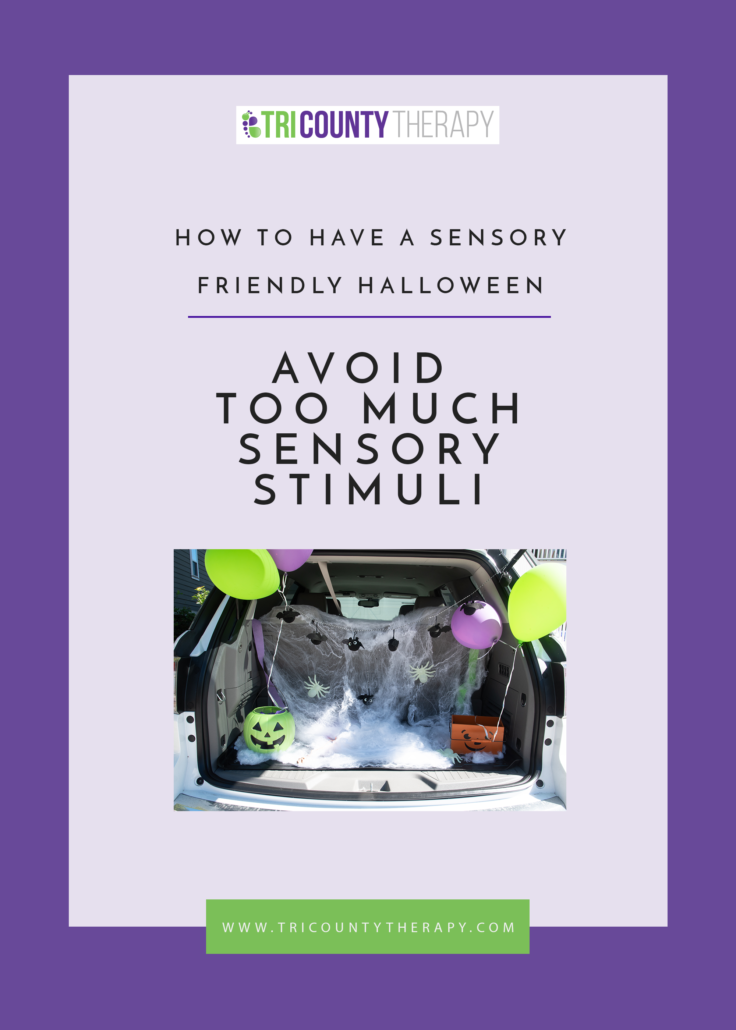
How To Have A Sensory-Friendly Halloween: Avoid Too Much Sensory Stimuli

It is incredibly important to understand our children’s sensory needs, especially around those holidays that can already be overwhelming for most. Unexpected or repetitive sensory input can cause your child to reach his or her sensory threshold at a much faster rate than you may expect. Your child, therefore, may experience over-stimulation and cause a fight-or-flight response!

Tip #1: Avoid Repetitive Doorbell Ringing

If you have a little one who avoids or seems to be more sensitive to sensory input, you may be planning on staying home to hand out candy rather than taking her trick-or-treating. If this is the case, try putting on a familiar movie for your child, while you set up by front door. This way you can catch any potential trick-or-treaters walking up to your house before they ring the doorbell. Unexpected or a continuously ringing doorbell may cause your child to experience sensory over-stimulation.

Tri County Therapy | Sensory, Sensory Friendly, Children, Sensory processing disorder, Sensory Integration, therapy, Greenville, Charleston, PT, OT, ST

Tip #2: Trick-or-Treat at Familiar Houses

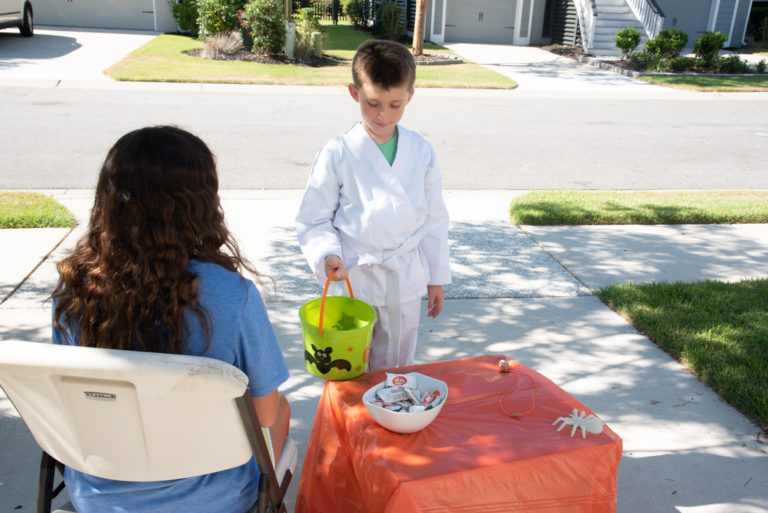
There are always those houses that go all out for Halloween with frightening surprises as you approach the front door. These unexpected and frightening surprises could send your child with sensory differences into a state of fight-or-flight, as it may cause him to feel out of control of his sensory systems. If you plan to take your little one out trick-or-treating, try going to familiar houses, such as those of friends or family members. You also could try trick-or-treating at houses that are handing out candy in their driveways. By selecting certain houses with people handing out candy in the driveways or homes with which your child is familiar, you can hopefully avoid the ones with those unexpected surprises!

Tri County Therapy | Sensory, Sensory Friendly, Children, Sensory processing disorder, Sensory Integration, therapy, Greenville, Charleston, PT, OT, ST

Tip #3: Go to a Trunk-or-Treat or Mall Event 

 Trunk-or-treats can be found at places such as local churches, schools, and often malls have trick-or-treating events. These events can be a great alternative to traditional trick-or-treating for those with sensory differences. Trunk-or-Treats or mall events are great because they provide a more routine pattern, so the child knows exactly what to expect at each stop.

Tri County Therapy | Sensory, Sensory Friendly, Children, Sensory processing disorder, Sensory Integration, therapy, Greenville, Charleston, OT, PT, ST


Thank you for reading How To Have A Sensory-Friendly Halloween: Avoid Too Much Sensory Stimuli.

Written by: Carleigh Brawley, MS, OTR/L

Lead Occupational Therapist

Tri-County Therapy

Tri County Therapy | Sensory, Sensory Friendly, Children, Sensory processing disorder, Sensory Integration, therapy, Carleigh Brawley, OT, Greenville, Charleston

SaveSave

SaveSave

SaveSave

SaveSave

Read More

Red Flags During Motor Development: Torticollis

September 25, 2018Tri-County TherapyBloggross motoroccupational therapypediatric therapyPhysical developmentphysical therapyPTspeech therapytorticollis
Red Flags During Motor Development: Torticollis

Torticollis is typically seen in infants through toddlers.  Babies and toddlers with torticollis will present with a preference for looking to one side, either left or right, usually accompanied by a head tilt.  Torticollis can lead to atypical head shape, preference for movement to only one side, visual impairments, and general gross motor delay.  It is important to discuss any of these findings with your child’s pediatrician as early as possible.  Physical therapy can help address neck range of motion, increased strength, improved positioning for head shape, and gross motor skills to promote overall gross motor development.

Tip #1

Be sure to encourage tummy time!  Promote tummy time as much as possible with your baby, with a goal of up to one hour per day or more spent on the tummy.  Tummy time promotes strengthening through the neck, core, back, and arms!

Tri County Therapy | Torticollis, Infant Torticollis, Children's PT, Therapy, Kids Therapy, Charleston, Greenville, Pediatric Therapy, Motor Skills, Infant Motor Development

Tip #2

Change the position in which your child plays and rests in throughout the day.  Encourage side-lying, tummy time, supported sitting, and a variety of positions to avoid laying the child on her back and experiencing increased pressure on the back of the skull.  Use mirrors or fun toys that light up or play music to encourage entertainment and distraction!

Tri County Therapy | Torticollis, Infant Torticollis, Children's PT, Therapy, Kids Therapy, Charleston, Greenville, Pediatric Therapy, Motor Skills, Infant Motor Development

Tip #3

Encourage your child to look to both sides equally!  Present yourself and toys on both left and right sides, as well as feeding the child on both sides.  Change your child’s position in the crib by switching where her head and feet are each day to encourage outward looking on both sides.  This helps to encourage improved movement to left and right!

Tri County Therapy | Torticollis, Infant Torticollis, Children's PT, Therapy, Kids Therapy, Charleston, Greenville, Pediatric Therapy, Motor Skills, Infant Motor Development


Tri County Therapy | Torticollis, Infant Torticollis, Children's PT, Therapy, Kids Therapy, Charleston, Greenville, Pediatric Therapy, Motor Skills, Infant Motor Development


Thank you for reading, Red Flags During Motor Development: Torticollis.

 Written by: Kimberly Shanahan

Lead Physical Therapist

Tri-County Therapy

Tri County Therapy | Torticollis, Infant Torticollis, Children's PT, Therapy, Kids Therapy, Charleston, Greenville, Pediatric Therapy, Motor Skills, Infant Motor Development, Kimberly Shanahan, PT

SaveSave

SaveSave

SaveSave

SaveSave

Read More

Red Flags During Motor Development: Clumsiness

September 18, 2018Tri-County TherapyBlogbalanceclumsinesscoordinationcore strengthgross motoroccupational therapypediatric therapyPhysical developmentphysical therapyPTspeech therapy
Red Flags During Motor Development: Clumsiness

Tripping and falling is a normal part childhood development, especially as children learn to walk and try new, challenging activities. Tripping and falling or “clumsiness” can be problematic when your child is tripping more often than other children her age, is unable to keep up with peers on the playground, or experiences frequent injuries from falls. If your child is demonstrating any of these “clumsy” behaviors, contact your pediatrician to discuss your concerns.  Physical therapy can help address your child’s balance and coordination to improve safety and prevent injuries/falls.

Tri County Therapy | Children's PT, Therapy, Kids Therapy, Charleston, Greenville, Pediatric Therapy, Motor Skills, Motor Development, Clumsiness, Development Red Flags

Here are a few tips to try with your child:

Tip #1

Encourage your child to walk and run on grass, sand, mulch, or playground surfaces.  This encourages your child to adapt to the change in surface and be more aware of her surroundings during play.  Red light/green light is a great game to include with transitions between surfaces and promote awareness!


Tip #2

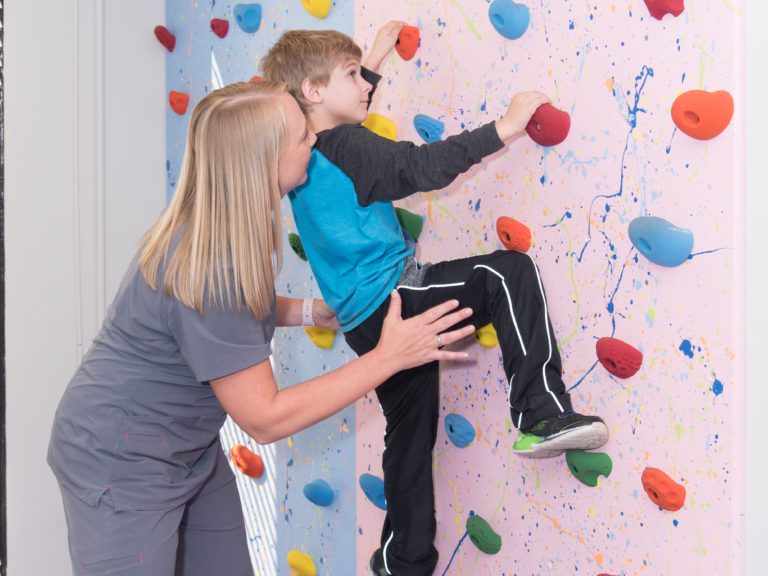
Engage in fun and silly coordination activities with your child, such as doing jumping jacks, marching in place, crab walks, Simon says, or climbing rock walls.  This helps your child learn to coordinate his arms and legs together and improve overall coordination while having a blast!

Tri County Therapy | Children's PT, Therapy, Kids Therapy, Charleston, Greenville, Pediatric Therapy, Motor Skills, Motor Development, Clumsiness, Development Red Flags

Tip #3

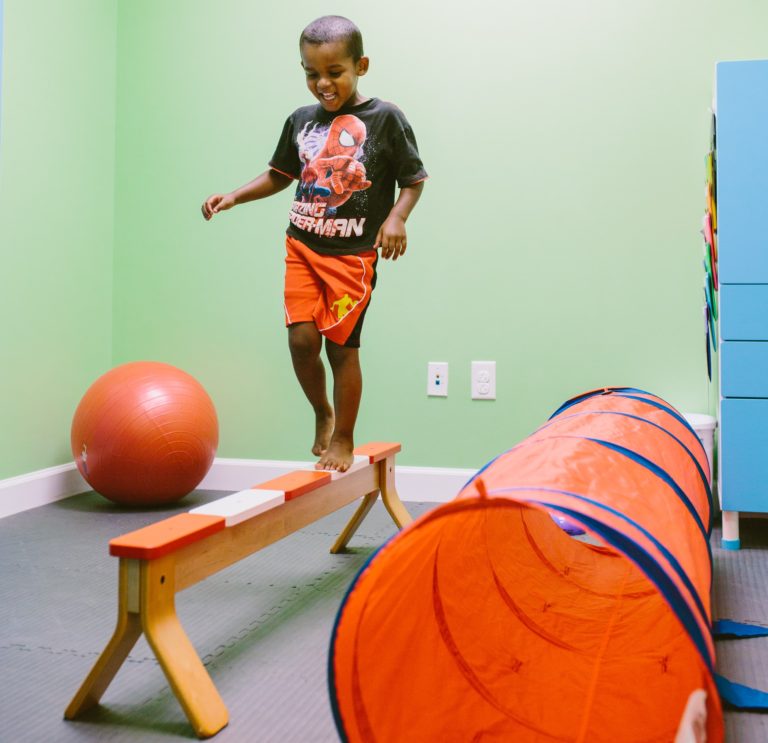
See if you can find or create “balance beams” in your daily activities and encourage your child to walk across without falling off!  Some examples include using painted lines on the ground, sidewalk curbs, wood floors, bricks, or simply place a piece of tape on the floor!  This promotes balance and coordination while focusing on a task.

Tri County Therapy | Children's PT, Therapy, Kids Therapy, Charleston, Greenville, Pediatric Therapy, Motor Skills, Motor Development, Clumsiness, Development Red Flags


Thank you for reading Red Flags During Motor Development: Clumsiness.

 Kimberly Shanahan PT, DPT

Lead Physical Therapist

Tri-County Therapy

Tri County Therapy | Children's PT, Therapy, Kids Therapy, Charleston, Greenville, Pediatric Therapy, Motor Skills, Motor Development, Clumsiness, Development Red Flags, Kimberly Shanahan

SaveSave

SaveSave

SaveSave

SaveSave

Read More

Red Flags During Motor Development: Toe Walking

September 11, 2018Tri-County TherapyBlogcore strengthgross motoroccupational therapypediatric therapyPhysical developmentphysical therapyPTspeech therapytoe walking
Red Flags During Motor Development: Toe Walking

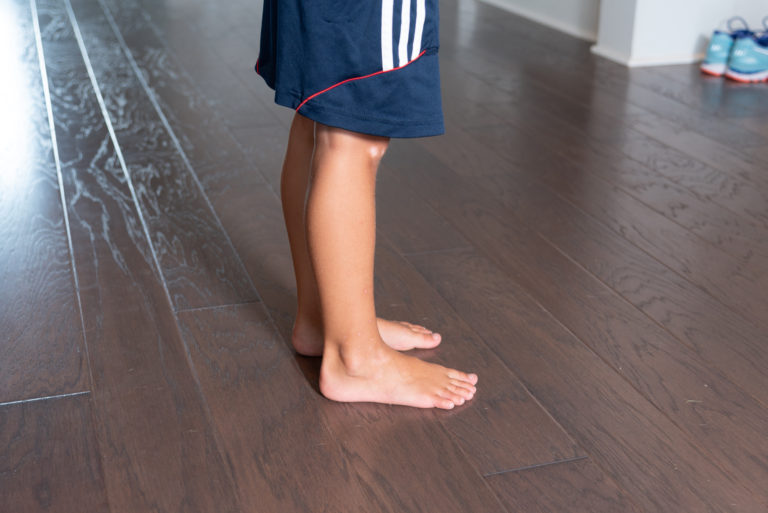
As children are learning to walk, they will explore various ways to walk, including heel and toe walking. Toe walking can be a harmless part of the exploratory nature of the child and is typically seen under the age of 2.  But, if toe walking persists past 2-years-old or is the primary form of walking at any age, it can lead to future difficulties and impairments, such as decreased range of motion leading to contractures and possible surgery and should be addressed with your child’s pediatrician. Physical therapy can help to address your child’s toe-walking to increase strength, range of motion, gait pattern, and help prevent future impairments.  In the meantime, here are some tips to help your child if he is demonstrating toe walking behaviors:

Tip #1

Cue your child to walk with flat feet any time you see tip-toe walking!  Cues such as “heel-toe” or “flat feet” with a visual demonstration for your child are most helpful.  Reward systems or stickers can be a great motivator to promote improved walking!


Tri County Therapy | Children's PT, Therapy, Kids Therapy, Charleston, Greenville, Pediatric Therapy, Motor Skills, toe walking, development skills, PT, OT, ST     

Tip #2

Walking on uneven surfaces such as up hills, on ramps, through grass or sand, and on playground equipment for improved balance.  Have your child “freeze” while walking up the hill/ramp to promote a static stretch for 20-30 seconds and make it into a game to help stretch the tight muscles in the back of the legs!

Tri County Therapy | Children's PT, Therapy, Kids Therapy, Charleston, Greenville, Pediatric Therapy, Motor Skills, toe walking, development skills, PT, OT, ST

Tip #3

Animal/character walks can be so much fun! Have your child walk backwards, waddle like a duck or penguin, jump like a frog, crawl like a crab or bear!  Each walk encourages the child to achieve improved movement at the ankle joint to promote a flat foot position, while having fun!

Tri County Therapy | Children's PT, Therapy, Kids Therapy, Charleston, Greenville, Pediatric Therapy, Motor Skills, toe walking, development skills, PT, OT, ST

Tip #4

Let your child walk in your adult-sized shoes or flippers!  This helps to encourage a heel-first stepping pattern and flat foot contact when walking.  It’s also fun for the child to play and be silly while encouraging improved walking!

      Tri County Therapy | Children's PT, Therapy, Kids Therapy, Charleston, Greenville, Pediatric Therapy, Motor Skills, toe walking, development skills, PT, OT, ST    


Thank you for reading, Red Flags During Motor Development: Toe Walking.

 Kimberly Shanahan PT, DPT

Lead Physical Therapist

Tri-County Therapy

Tri County Therapy | Children's PT, Therapy, Kids Therapy, Charleston, Greenville, Pediatric Therapy, Motor Skills, toe walking, development skills, PT, OT, ST, Kimberly Shanahan

SaveSave

SaveSave

SaveSave

SaveSave

Read More

  • Prev
  • 1
  • 2
  • 3
  • 4
  • 5
  • 6
  • 7
  • 8
  • 9
  • 10
  • 11
  • Next

Most Recent Blog Posts

  • Answering Questions About The R Sound Sep 21

    Answering Questions About The R Sound   Does your child...

  • Infant Sitting Tips Jul 28

    Infant Sitting Tips By: Hope James, PT, DPT Sitting briefly with...

  • Warming Up To The Playground Jul 21

    Warming Up To The Playground By: Hope James, PT, DPT...

  • Ideas For Beach Day Play Jul 14

    Beach Day Play By: Hope James, PT, DPT Summer time...

Post Categories & Links

age 3 articulation autism bear theme bedtime buttons camping theme core strength costumes cutting distractions feeding difficulties feeding therapy fine motor fine motor toys first words gift ideas grasp gross motor Halloween handwriting lacing language language development occupational therapy OT pediatric therapy Physical development physical therapy picky eating problem eater PT S.O.S schedule sensory sensory processing snaps social skills speech therapy speech therapy toys therapy toys therapy tunnel toys tracing trick-or-treat

Recent Posts

  • Answering Questions About The R Sound
  • Infant Sitting Tips
  • Warming Up To The Playground
  • Ideas For Beach Day Play
  • Ideas For A New Walker

Recent Comments

    Archives

    • September 2022
    • July 2022
    • June 2021
    • January 2021
    • November 2020
    • April 2019
    • March 2019
    • February 2019
    • January 2019
    • December 2018
    • November 2018
    • October 2018
    • September 2018
    • August 2018
    • July 2018
    • June 2018
    • May 2018
    • April 2018

    Categories

    • Blog
    • Uncategorized

    Meta

    • Log in
    • Entries feed
    • Comments feed
    • WordPress.org

    Service Locations

    Natural Environment

    Preschools & Daycares

    Office Locations


    Contact

    Phone: 888-510-6369

    Fax: 843-277-6237

    Email 

    Careers

    Career Opportunities!


    Search Our Site:

    Copyright ©2016 all rights reserved
    Powered by Tri-County Therapy