HealthFlex
×
  • About
    • Our Team
    • About Us
    • Insurances Accepted
    • What Matters To Us
    • Locations
    • Contact Us
  • Our Services
    • Developmental Screening
    • Enroll In Therapy
    • Formularios de Inscripción en Español
    • BabyNet Referral Inquiry
    • Feeding Therapy
    • Occupational Therapy
    • Physical Therapy
    • Speech Language Pathology
    • Privacy Policy
  • Resources
    • Therapy Tips
    • Records Request
    • Developmental Milestones
      • Articulation & Phonology
      • Feeding
      • Fine Motor
      • Gross Motor
      • Expressive Language
      • Receptive Language
      • Sensory Development
      • Social Skills
    • Physician Referrals
    • Blog
  • Join Our Team!
    • Student Learning

How To Make A Book Interactive & Adaptive for AAC

June 12, 2018Tri-County TherapyBlogAACadaptive bookAlternative Communicationbear themecamping themeCommunication Deviceinteractive bookoccupational therapypediatric therapyspeech therapy
How To Make A Book Interactive & Adaptive for AAC

How To Make An Adaptive Book: Going On A Bear Hunt

For our Camping Thematic Unit, our book of the month is: Going On A Bear Hunt. We work with children on many different levels, as some children use Augmentative & Alternative Communication (AAC) devices, while others are working on higher language concepts. Some children have difficulty focusing and attending to a book. Adapting a book to be successful across all levels can be challenging, but it can allow you to expand receptive and expressive language gradually across your thematic unit while slowly fading the adaptations.

Here is how we adapted Going On A Bear Hunt for our Camping Thematic Unit!

Step 1: Gather Your Materials

You will need the following: A paperback version of your book, glue stick, laminator, Laminating Pouches,  scissors, 3-hole punch, Ring Clips, Velcro Dots, color printer, AAC picture software (i.e. Symbolstix, Boardmaker, Lessonpix), cardstock, GoTalk AAC Device (9, 20)

Step 2: Create Picture Symbols

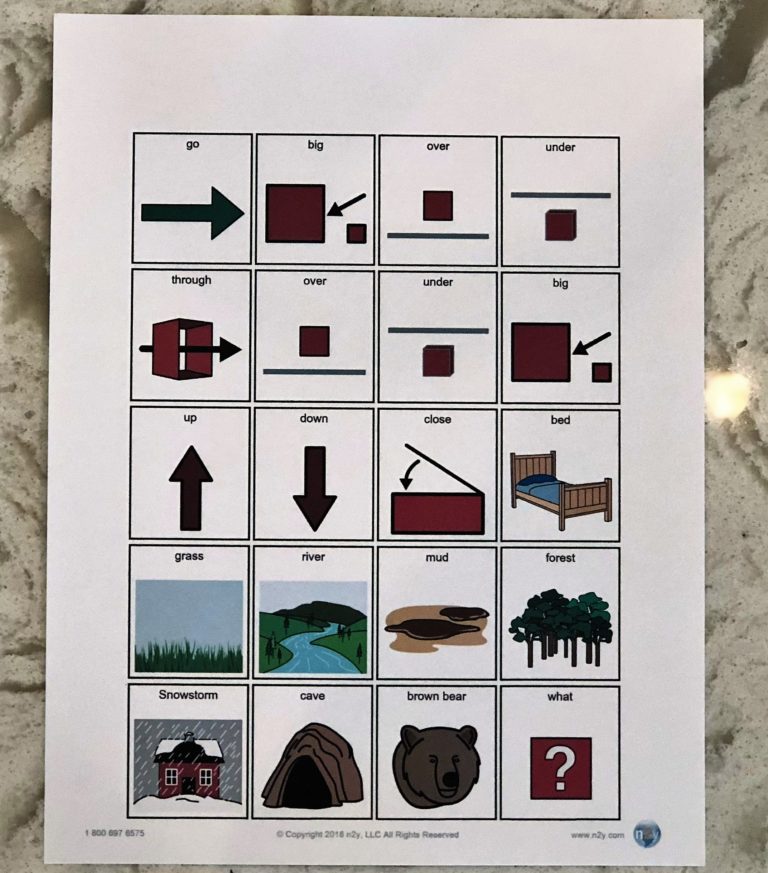
Go through the book and choose target vocabulary and core words. We used Symbolstix to make the picture targets for this adaptive book. Symbolstix allows you to format your board to fit the AAC Voice Output Device. We created a picture board for the GoTalk 20+ AAC Voice Output Device using target words (see picture below). After you’ve created your board, print 3 copies on cardstock. Cut two of the pages of symbols out, while keeping one for your GoTalk 20+ AAC Device.
Tri County Therapy | Charleston, Anderson, Toys, Therapy Toys, Pediatric Therapy, Occupational Therapy, Physical Therapy, Speech Therapy, Aquatic Therapy, Interactive Book, Therapy Activity

Step 3: Take apart the book

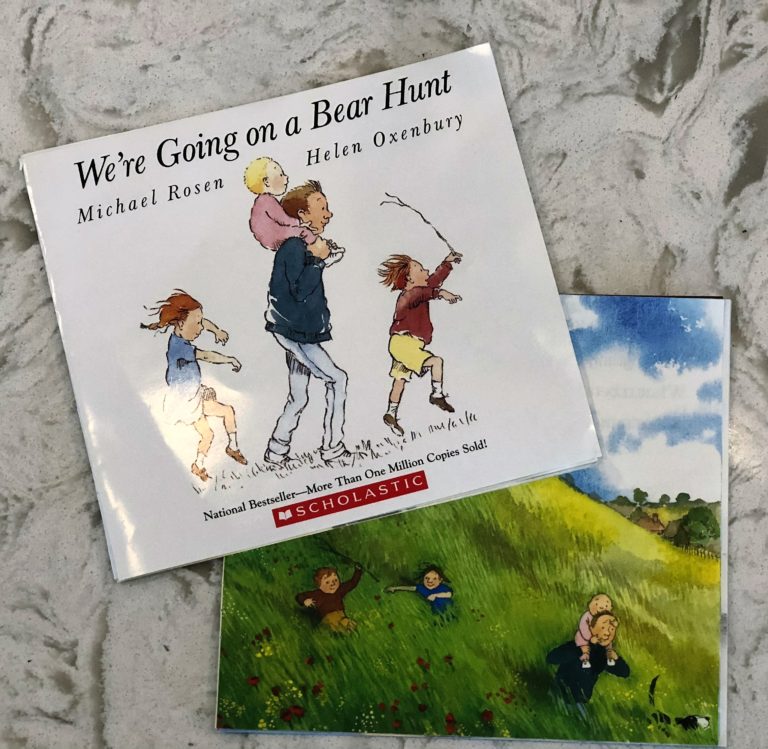
You’re going to want a paperback book because they are easier to separate, cut, or tear apart. Using scissors will help keep the lines clean. Take the book apart and stack it in order.
Tri County Therapy | Charleston, Anderson, Toys, Therapy Toys, Pediatric Therapy, Occupational Therapy, Physical Therapy, Speech Therapy, Aquatic Therapy, Interactive Books, Therapy Activity

Step 4: Put in the symbols

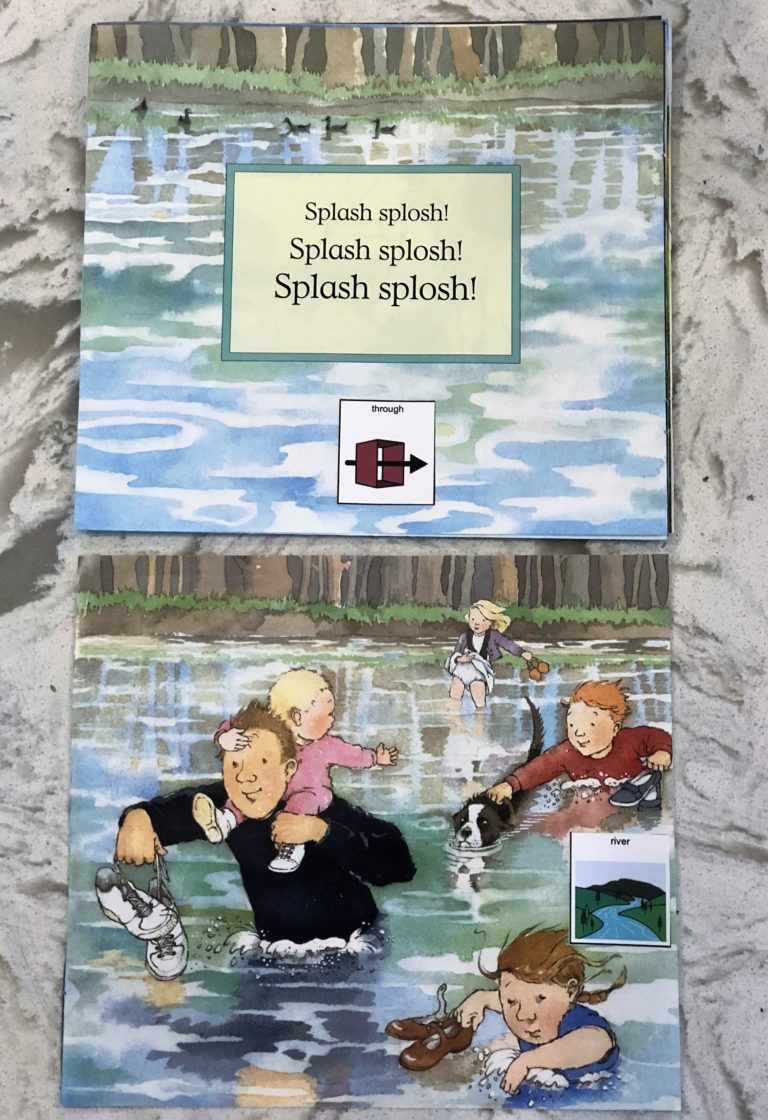
Glue the 20 picture symbols you selected onto the corresponding page in the book. For example, glue the ‘grass’ picture on the page where they are walking through the grass, and glue the picture of the bear onto the page with the bear in the book.
Tri County Therapy | Charleston, Anderson, Toys, Therapy Toys, Pediatric Therapy, Occupational Therapy, Physical Therapy, Speech Therapy, Aquatic Therapy, Interactive Book, Therapy Activity

Step 5: Laminate the Book

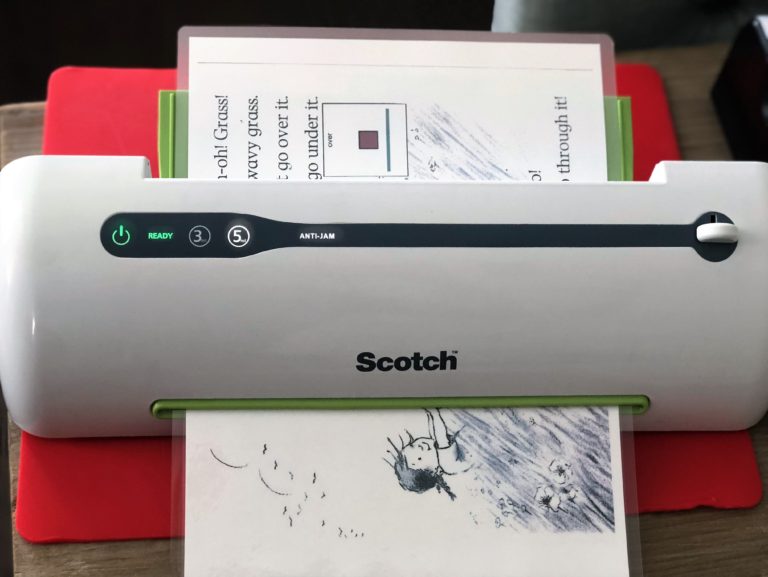
Once all of the symbols are glued in the book, place each page in a 5 mil laminating pouch and run it through your laminating machine. This thickness will allow you to keep this adaptive book long term! While 3 mil pouches are ok, 5 mil will get the most bang for your buck! Be sure to leave a sufficient border of the laminating sheet around each edge, otherwise the page may peel apart. If there is an excessive amount of laminate remaining around the edge once laminated, trim it and be sure you keep the edges rounded.
Tri County Therapy | Charleston, Anderson, Toys, Therapy Toys, Pediatric Therapy, Occupational Therapy, Physical Therapy, Speech Therapy, Aquatic Therapy, Interactive Book, Therapy Activity

Step 6: Velcro dots

Using the soft Velcro dots (soft loop side), place a dot on each picture symbol in the book. The Velcro dots (rough hook side) can be placed on the back of the other picture symbols. Next, match the pictures together in the book. Now you have an interactive picture with many pages within the book! Adding these removable pictures increases overall attention and participation and allows you to use the pictures following reading the book for carryover.
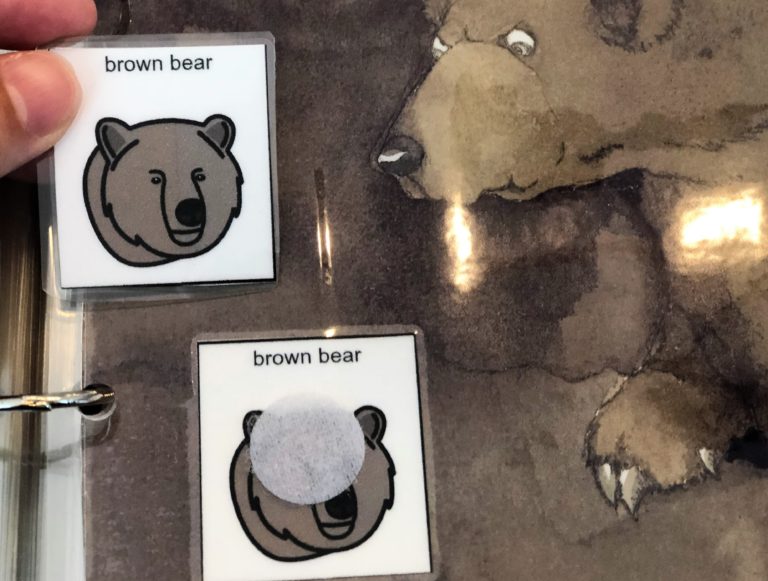
  Tri County Therapy | Charleston, Anderson, Toys, Therapy Toys, Pediatric Therapy, Occupational Therapy, Physical Therapy, Speech Therapy, Aquatic Therapy, Interactive Book, Therapy Activity

Step 7: Put it Together!

Using the 3-hole punch (you may need to adjust the width so it fits the specific book), punch holes in each page. Then bind them together using a ring clip in each hole.

Tri County Therapy | Charleston, Anderson, Toys, Therapy Toys, Pediatric Therapy, Occupational Therapy, Physical Therapy, Speech Therapy, Aquatic Therapy, Interactive Book, Therapy Activity

Step 8: GoTalk AAC Device

Laminate the sheet with the 20 pictures for your GoTalk 20 Device (be sure to cut it to fit the device). Do not cut these out individually. Once you’ve put the sheet into your device, follow the instructions to program each symbol with the corresponding voice output (name for the picture).
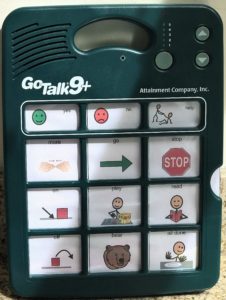
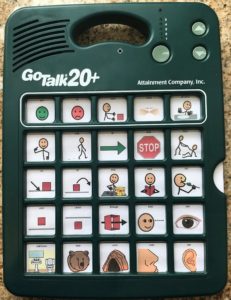
Tri County Therapy | Charleston, Anderson, Toys, Therapy Toys, Pediatric Therapy, Occupational Therapy, Physical Therapy, Speech Therapy, Aquatic Therapy, Interactive book, Therapy Activity          Tri County Therapy | Charleston, Anderson, Toys, Therapy Toys, Pediatric Therapy, Occupational Therapy, Physical Therapy, Speech Therapy, Aquatic Therapy, Interactive Book, Therapy Activity

Now you have an adaptive book with a paired communication device, and the majority of your kids can participate! You have the adaptions for those that struggle to imitate, attend, and those that are non-verbal! Have fun, the possibilities are endless!


Some other functional activities you can do with the laminated picture symbols include:

  • Receptive Vocabulary: Making a mock bear scavenger hunt in the hall (find the pictures and/or name them).
  • Expressive Language: Have the child match the picture from the book to the GoTalk 20+ AAC Device and push the voice output button that matches and then imitate the word.
  • Spatial Concepts and Following Directions: Find a named picture and put it in a named place (i.e. find the ‘grass’ and put it under the table; find the ‘bear’ and put it behind the chair).
  • Sensory: Hide the pieces in a sensory bin (rice, beans, kinetic sand, etc.).
  • Gross motor: Place Velcro pieces onto a large Velcro board and have the child reach for the named pictures. You can also have the child put pictures under, over, next to, etc. to work on spatial concepts.
  • Bilateral Coordination & Sensory Input: Do bear crawls to find the pictures down the hall.
  • Sequencing & Retelling: Make a picture sequence using the pictures to recreate the store and retell.

 Written by:

Allison Kane, MCD, CCC-SLP, CAS                                  &                         Stephanie Pecht, MA, CCC-SLP

Speech Language Pathologist                                                                         Speech Language Pathologist

                                Certified Autism Specialist                                                                                     AAC Specialist

Tri County Therapy | Charleston, Anderson, Toys, Therapy Toys, Pediatric Therapy, Occupational Therapy, Physical Therapy, Speech Therapy, Aquatic Therapy                                         Tri County Therapy | Charleston, Anderson, Toys, Therapy Toys, Pediatric Therapy, Occupational Therapy, Physical Therapy, Speech Therapy, Aquatic Therapy

SaveSave

SaveSave

SaveSave

SaveSave

Read More

Camping Thematic Unit: Father’s Day Bear Craft

June 5, 2018Tri-County TherapyBlogbear craftbear themecamping themecraftfathers dayoccupational therapypediatric therapyS.O.Ssensorysensory processingspeech therapy
Camping Thematic Unit: Father’s Day Bear Craft

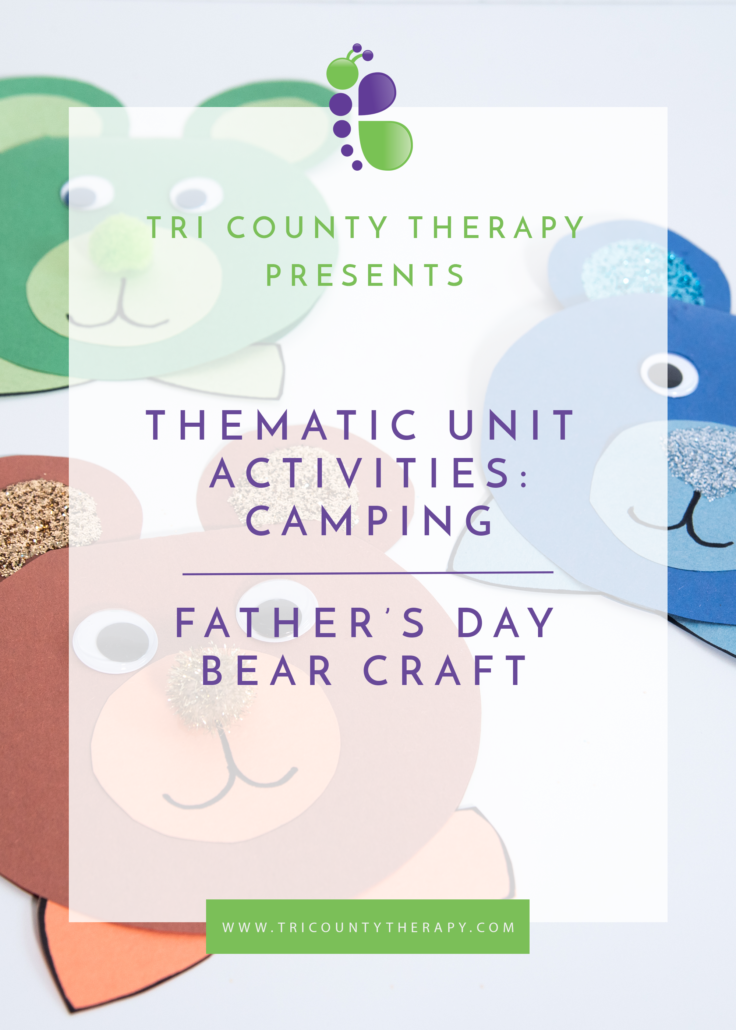
Father’s Day Bear Card

We are doing a thematic unit this month on camping! Our book of the month is Going On A Bear Hunt, and we have a lot of fun crafts, bear hunts, and other thematic activities going on in our offices! Since Father’s Day is June 17th, we’re sharing this fun craft with you now!

A video tutorial is at the bottom of this post.

Here’s a step by step on how to make this fun craft!

Step 1: Gather Your Materials

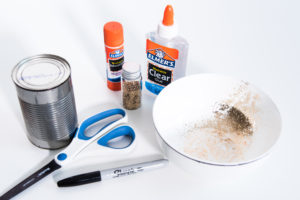
You’ll need the following: three sheets of construction paper (one lighter in color than the other two), marker, medium size bowl, small can, glue stick, liquid glue, glitter, pom pom, large googly eyes, and scissors.

Tri County Therapy | Sensory, Sensory Friendly, Children, Sensory processing disorder, Sensory Integration, therapy, Father's Day, Bear Craft, Therapy Activity

Step 2: Fold, Trace, and Cut!

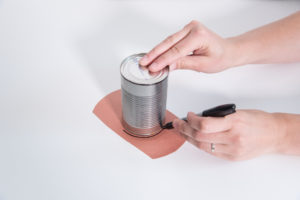
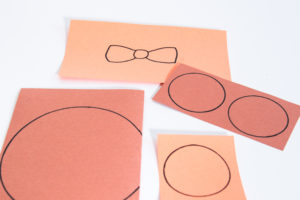
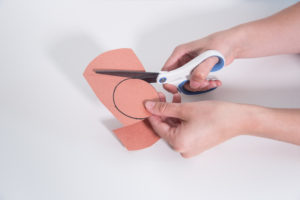
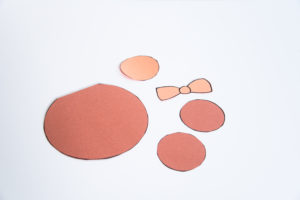
Fold one sheet of paper in half and trace the bowl, with one end overlapping the folded portion. Using the same color paper, trace two circles with the can. Using the lighter color, trace another circle with the can, and draw a bow tie. Cut them all out!

Tri County Therapy | Sensory, Sensory Friendly, Children, Sensory processing disorder, Sensory Integration, therapy, Father's Day, Bear Craft, Therapy ActivityTri County Therapy | Sensory, Sensory Friendly, Children, Sensory processing disorder, Sensory Integration, therapy, Father's Day, Bear Craft, Therapy ActivityTri County Therapy | Sensory, Sensory Friendly, Children, Sensory processing disorder, Sensory Integration, therapy, Father's Day, Bear Craft, Therapy Activity

Step 3: Write a Note!

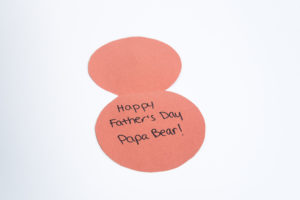
Open the large circle and write a note for dad for Father’s Day!

Tri County Therapy | Sensory, Sensory Friendly, Children, Sensory processing disorder, Sensory Integration, therapy, Father's Day, Bear Craft, Therapy Activity

Step 4:  Put it Together!

Using the glue stick, glue the two small circles on top near the folded portion for the ears. Glue the lighter circle on the middle of the larger circle for the nose.

Tri County Therapy | Sensory, Sensory Friendly, Children, Sensory processing disorder, Sensory Integration, therapy, Father's Day, Bear Craft, Therapy Activity

Step 5: Decorate!

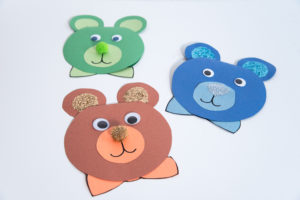
Use bottled glue to put glitter on the ears, draw a mouth on the center circle, glue on a pom pom for the nose, glue on the tie, and glue on the eyes! You can modify the bear by using construction paper for the inner ear, using glitter for a nose, or just drawing on a nose! You can decorate or make a fancy tie too!

Tri County Therapy | Sensory, Sensory Friendly, Children, Sensory processing disorder, Sensory Integration, therapy, Father's Day, Bear Craft, Therapy Activity

 Written by: Allison Kane, MCD, CCC-SLP, CAS

Speech Language Pathologist

Certified Autism Specialist

Tri-County Therapy

Tri County Therapy | Sensory, Sensory Friendly, Children, Sensory processing disorder, Sensory Integration, therapy, Father's Day, Bear Craft, Therapy Activity


SaveSave

SaveSave

SaveSave

SaveSave

Read More

Feeding Red Flags: Drooling After Teething

May 30, 2018Tri-County TherapyBlogautismdistractionsfeeding difficultiesfeeding therapyoccupational therapypediatric therapypicky eatingproblem eaterS.O.Ssensorysensory processingspeech therapy
Feeding Red Flags: Drooling After Teething

Drooling After Teething

What if your child is drooling beyond the typical age of teething (around 18 months-2 years)? Many children drool due to oral motor weaknesses or reduced awareness in their mouth. Some common causes of drooling are weak lips or jaw or difficulty keeping good lip closure. Here are some tips to decrease and manage drooling:

Tip #1- Set Your Child Up For Success!

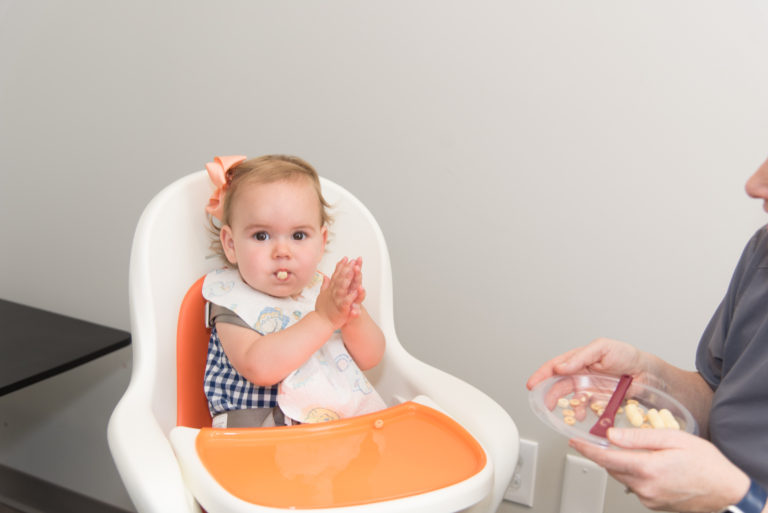
Posture plays an important role by providing stability so that your child can control and ultimately improve his drooling. Make sure that while sitting (to eat, watch TV, play, etc.) your child’s trunk and head are supported and stable.

Tri County Therapy | Sensory, Sensory Friendly, Children, Sensory processing disorder, Sensory Integration, therapy, Feeding Therapy, Drooling, Feeding

Tip #2- Increase Sensation

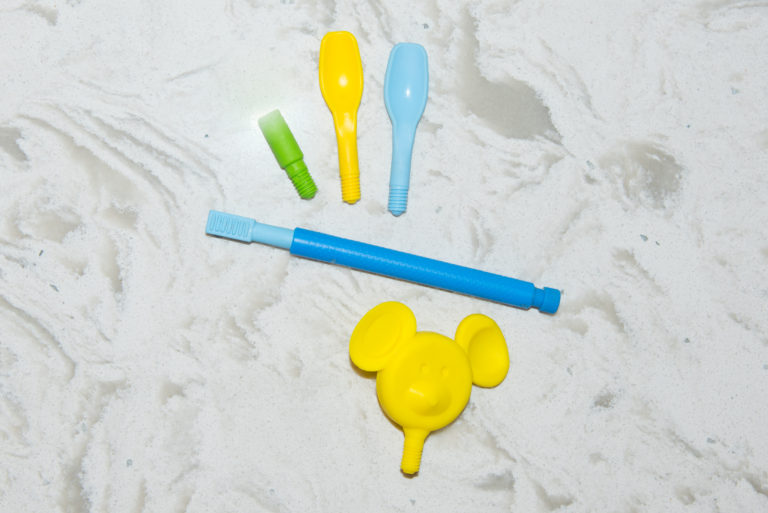
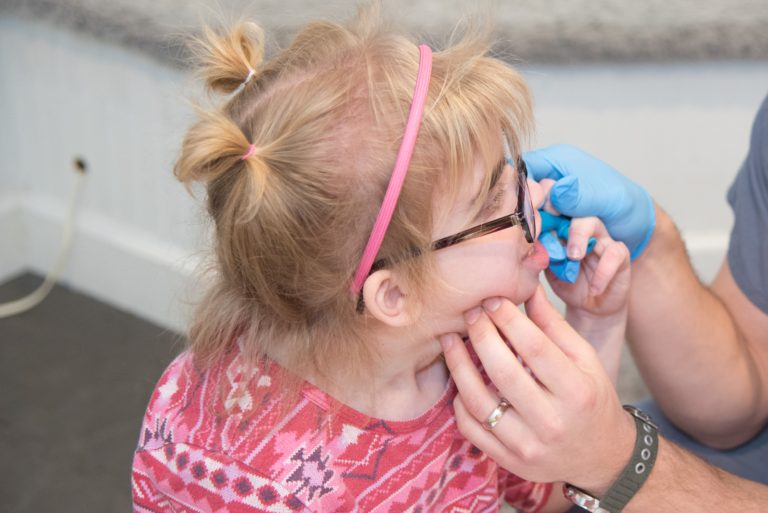
If your child’s lips are constantly open, allowing drool to pool and spill out of his mouth, it may be that he does not even realize it. For some children, calling attention to their open mouth by providing more sensory input can be very helpful. Try tapping/stroking his lips using firm pressure, using vibration (like a z-vibe or vibrating teether), or applying cold (like a frozen teether) to bring awareness of the lips and reduce drooling.

Tri County Therapy | Sensory, Sensory Friendly, Children, Sensory processing disorder, Sensory Integration, therapy, Feeding Therapy, Drooling, Feeding

Tip #3: Increase Strength and Control

Increase lip, tongue, and jaw strength so that controlling drool will not feel like such as difficult task for your child. Some good exercises include using a straw to suck up thick liquids (like a milk shake or smoothie), practice licking foods (like peanut butter) off of his lips and squeezing items (like a z-vibe tip) between his lips, making sure to purse the lips without using teeth.

Tri County Therapy | Sensory, Sensory Friendly, Children, Sensory processing disorder, Sensory Integration, therapy, Feeding Therapy, Drooling, Feeding

Be sure to talk with your SLP or OT if you are concerned with your child’s drooling, we have many more tools and strategies!


SaveSave

SaveSave

SaveSave

SaveSave

Read More

Feeding Red Flags: Oral Defensiveness

May 22, 2018Tri-County TherapyBlogautismdistractionsfeeding difficultiesfeeding therapyoccupational therapypediatric therapypicky eatingproblem eaterS.O.Ssensorysensory processingspeech therapy
Feeding Red Flags: Oral Defensiveness

Oral Defensiveness

If your child hates having his teeth brushed or gags with strong flavors/new textures, he may be experiencing oral defensiveness. For these children, providing oral input to ‘desensitize’ the mouth is key, and can be done by slowly presenting touch, textures, and flavors at a pace that’s right for your child!

Tip #1: Start With Play!

Start with play and allow your child to control the stimulation. Use toys such as teethers, chewy tubes, spoons, or even pretzel rods. You can choose to dip them in food or leave food out of this part, whatever you feel will be most comfortable for your child! Model oral-motor play such as kissing, licking, and biting items in a fun way. For example, play ‘puppy dog’ by holding a chewy tube in your back teeth and allowing your child to tug the tube while you hold it in your teeth. If the child seems willing, let them try to be the puppy! If something seems to cause anxiety, back up and try something easier.

Tri County Therapy | Sensory, Sensory Friendly, Children, Sensory processing disorder, Sensory Integration, therapy, Feeding Therapy, Drooling, Feeding, Oral Defensiveness


Tip #2: Wake Up, Mouth! 

Providing input such as vibration with a z-vibe, vibrating teether, or vibrating toothbrush can help decrease oral aversion. Before using it in your child’s mouth, you can show him how it feels on his arms or legs. Gently tapping or stroking the cheeks (outside or inside), lips, tongue, and gums can actually calm some children. Be mindful that some children may be very sensitive to strong vibration, and this type of input may not work for all children.

Tri County Therapy | Sensory, Sensory Friendly, Children, Sensory processing disorder, Sensory Integration, therapy, Feeding Therapy, Drooling, Feeding, Oral Defensiveness

Tip #3: Gradually Introduce Textures

If your child’s oral aversion is more closely related to eating, he may be unwilling to try foods with more texture (such as oatmeal, mashed potatoes, etc.) or strong flavors.  Try making small changes to the foods he already likes. Making gradual changes can help your child accept new foods and decrease oral sensitivity. For example, if your child likes plain applesauce, add a small amount of cinnamon or sprinkle on some graham cracker crumbs, very gradually increasing the amount or adding different flavors!

Tri County Therapy | Sensory, Sensory Friendly, Children, Sensory processing disorder, Sensory Integration, therapy, Feeding Therapy, Drooling, Feeding, Oral Defensiveness


SaveSave

SaveSave

SaveSave

SaveSave

Read More

Feeding Red Flags: Prolonged Mealtimes

May 16, 2018Tri-County TherapyBlogautismdistractionsfeeding difficultiesfeeding therapyoccupational therapypediatric therapypicky eatingproblem eaterS.O.Ssensorysensory processingspeech therapy
Feeding Red Flags: Prolonged Mealtimes

Prolonged Mealtimes

Just like many adults, children may not want to sit at the dinner table all evening. Limiting meal times to around 30 minutes is considered the ‘gold standard’ for both children and adults. When meals last more than that, children can often become fatigued, bored, and frustrated. Here are some tips to keep your child’s meal times shorter and more enjoyable!

Tip #1: Use a Timer

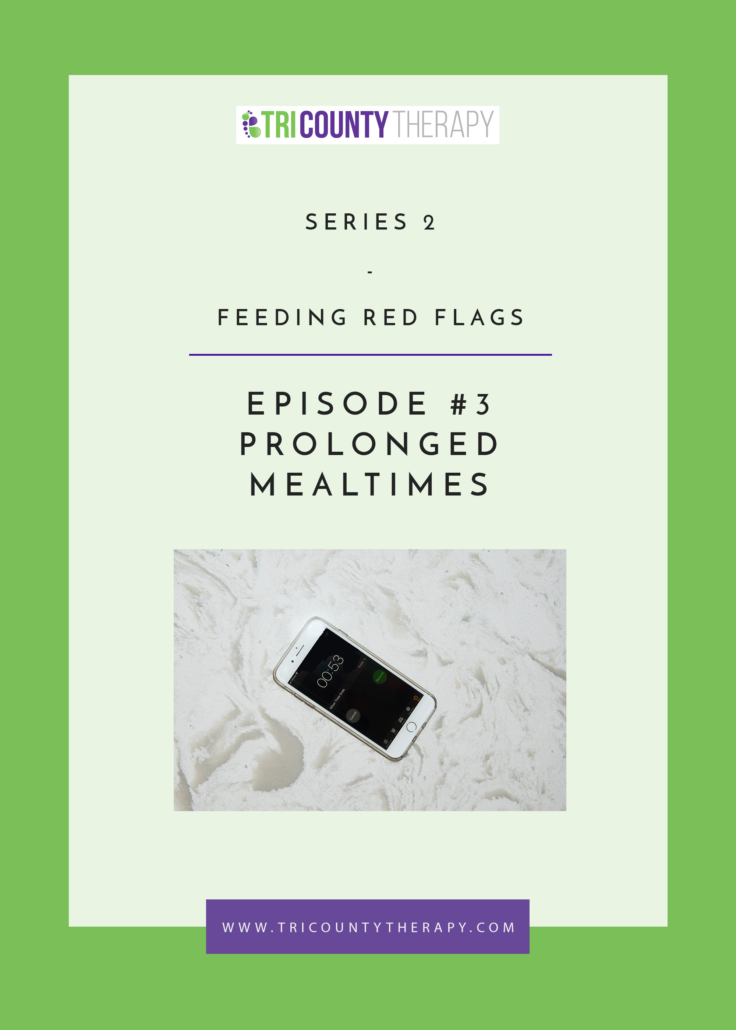
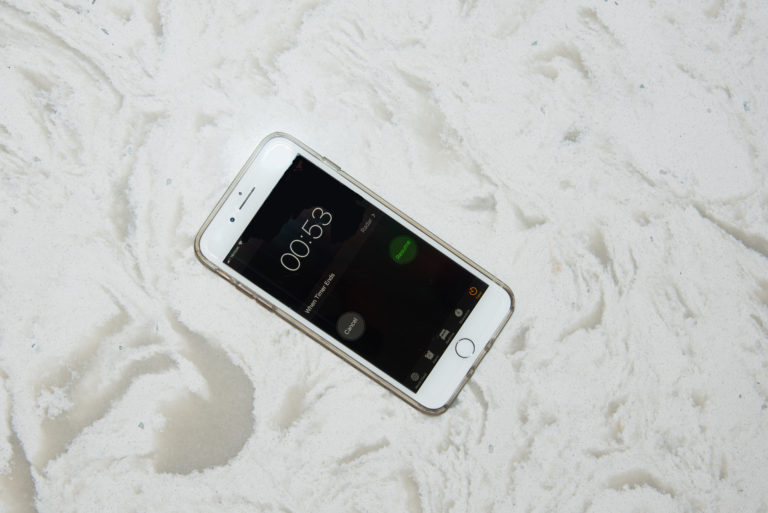
Use a timer/timer app. There are a lot of great timers out there that are ‘kid friendly!’ Sometimes kids need a visual reminder of the time allotted for meals. It can also help them learn to pace their own eating, rather than being dependent on parents or guardians.

Tri County Therapy | Sensory, Sensory Friendly, Children, Sensory processing disorder, Sensory Integration, therapy, Feeding Therapy, Drooling, Feeding, prolonged mealtimes

Tip #2: Increase Chewing Skills

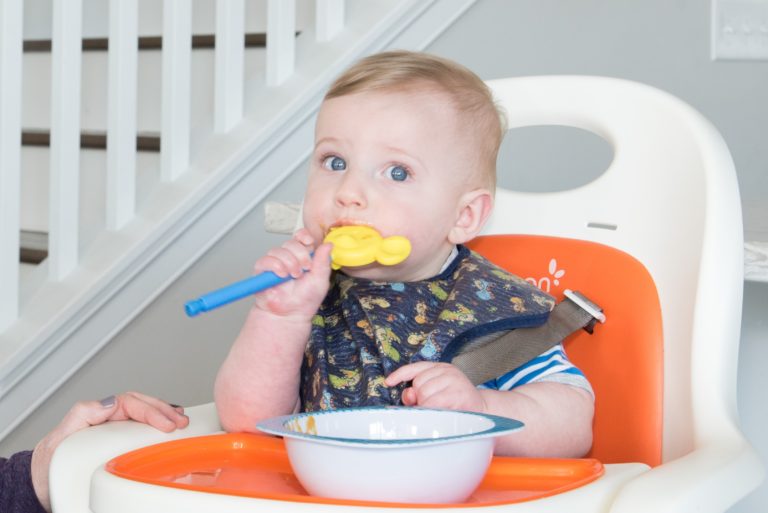
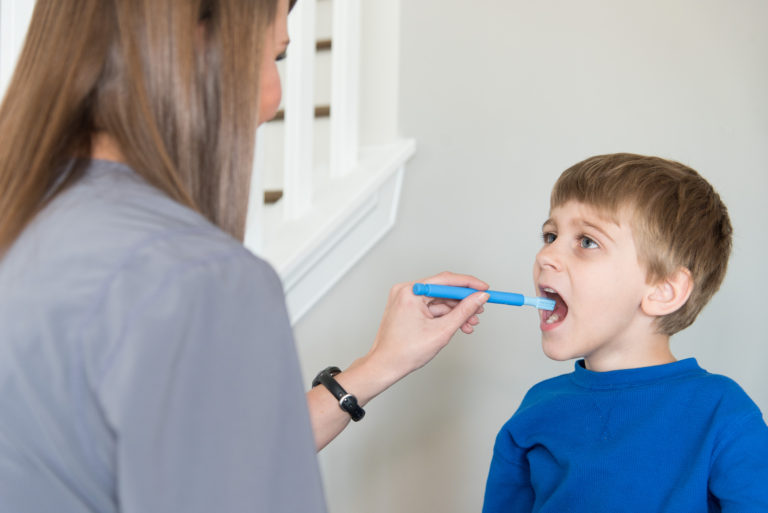
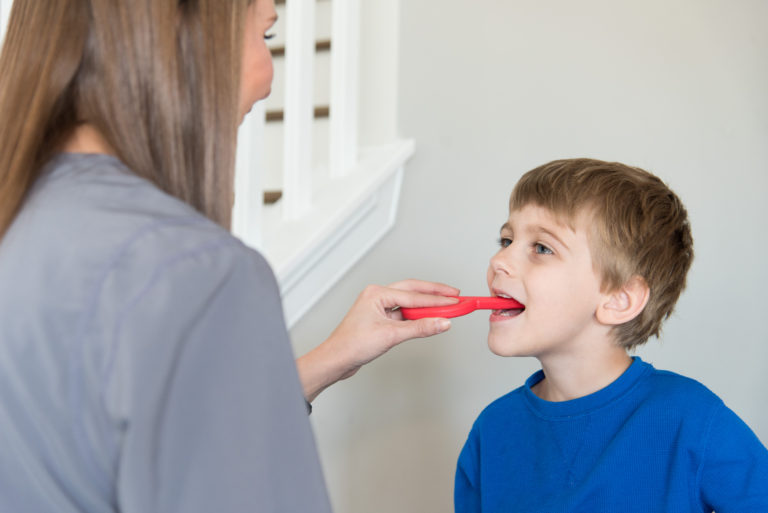
Many kids experience jaw fatigue, possibly due to slightly weak jaw muscles. You can adjust meals by presenting more ‘difficult’ or hard to chew foods first (such as meat, raw vegetables, etc.), then moving onto softer foods and purees. Also, you can strengthen jaw muscles by practicing chewing on a chew tube; place the tube on your child’s back teeth and encourage them to make ‘big dinosaur bites.’ We want to see the tube collapse.

Tri County Therapy | Sensory, Sensory Friendly, Children, Sensory processing disorder, Sensory Integration, therapy, Feeding Therapy, Drooling, Feeding, prolonged mealtimes

Tip #3: Limit Distractions

Reduce distractions. Having toys at the table, tablets/iPads, or watching television can all reduce your child’s attention to eating. If your child has a difficult time sitting at the table without these things, work up gradually to longer times without those distractions at the table. Instead of resorting to these distracting tactics, try to engage your child in conversation and talk about the food on the table (for example, “what flavors does it have?”, “What color is it?”, “Is it soft or crunchy?”, etc.).


SaveSave

SaveSave

SaveSave

SaveSave

Read More

Feeding Red Flags: Moving Towards Textures & Concerns With Gagging

May 9, 2018Tri-County TherapyBlogautismfeeding difficultiesfeeding therapyoccupational therapypediatric therapypicky eatingproblem eaterS.O.Ssensorysensory processingspeech therapy
Feeding Red Flags: Moving Towards Textures & Concerns With Gagging

Moving Towards Textures and Concerns With Gagging 

Starting around 5-6 months until around 18 months, your child’s feeding skills are constantly developing. Moving through the various textures (from baby food cereals, to purees, to meltables, to soft solids, etc.) can be an exciting and sometimes overwhelming time for toddlers and parents. Keep in mind that everyone progresses at different rates and letting your child explore new foods through play can help greatly with these transitions. Don’t worry too much if your child sometimes refuses new foods or textures or even gags on occasion! These tips can help make texture progression fun and worry free: 

Tip #1– Have fun!

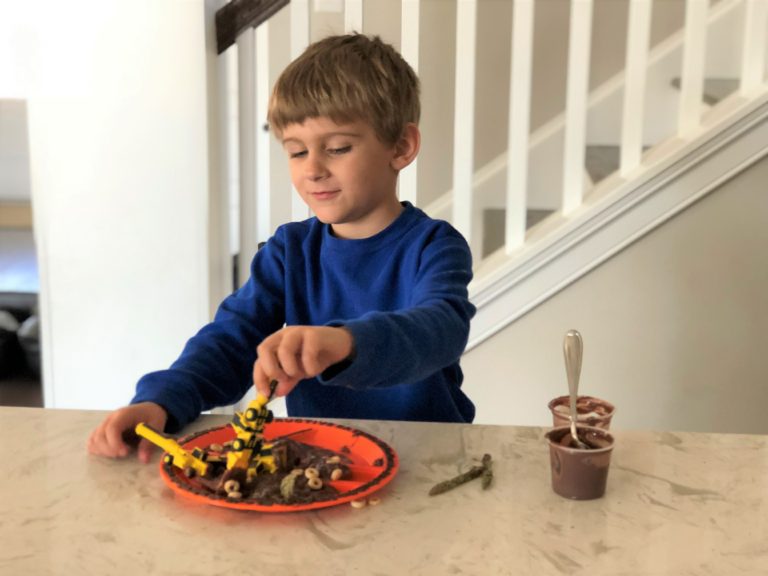
Let your child explore new textures that he may not be familiar with- this may mean getting messy! Wearing your food is part of the process of learning how to eat. Try ‘painting’ with purees on your child’s tray, ‘mixing’ different foods with a long pretzel rod or playing ‘tug of war’ with licorice. 

Tri County Therapy | Charleston, Anderson, Toys, Therapy Toys, Pediatric Therapy, Occupational Therapy, Physical Therapy, Speech Therapy, Aquatic Therapy, feeding therapy, food therapy, gagging

Tip #2- Explore with your food!

Between 8 and 9 months, introduce hard “munchables” (hard solids such as raw carrots or celery sticks, hard pretzel rods, or hard dried fruit sticks, that your child CANNOT bite a piece from) by letting your child hold onto the item and use the other end to explore his mouth. This helps the tongue learn to move food and move the gag reflex further back into his throat!  

Tip #3– It takes practice!

Your child may gag himself during food exploration, especially when introducing a new texture, but don’t panic! You can reassure your child that it’s okay, and gently help him pull the food forward (for hard “munchables” or larger food items).  

 Tri County Therapy | Charleston, Anderson, Toys, Therapy Toys, Pediatric Therapy, Occupational Therapy, Physical Therapy, Speech Therapy, Aquatic Therapy, gagging, food therapy, feeding therapy


SaveSave

SaveSave

SaveSave

SaveSave

Read More

  • Prev
  • 1
  • 2
  • 3
  • 4
  • 5
  • 6
  • 7
  • 8
  • 9
  • 10
  • 11
  • Next

Most Recent Blog Posts

  • Answering Questions About The R Sound Sep 21

    Answering Questions About The R Sound   Does your child...

  • Infant Sitting Tips Jul 28

    Infant Sitting Tips By: Hope James, PT, DPT Sitting briefly with...

  • Warming Up To The Playground Jul 21

    Warming Up To The Playground By: Hope James, PT, DPT...

  • Ideas For Beach Day Play Jul 14

    Beach Day Play By: Hope James, PT, DPT Summer time...

Post Categories & Links

age 3 articulation autism bear theme bedtime buttons camping theme core strength costumes cutting distractions feeding difficulties feeding therapy fine motor fine motor toys first words gift ideas grasp gross motor Halloween handwriting lacing language language development occupational therapy OT pediatric therapy Physical development physical therapy picky eating problem eater PT S.O.S schedule sensory sensory processing snaps social skills speech therapy speech therapy toys therapy toys therapy tunnel toys tracing trick-or-treat

Recent Posts

  • Answering Questions About The R Sound
  • Infant Sitting Tips
  • Warming Up To The Playground
  • Ideas For Beach Day Play
  • Ideas For A New Walker

Recent Comments

    Archives

    • September 2022
    • July 2022
    • June 2021
    • January 2021
    • November 2020
    • April 2019
    • March 2019
    • February 2019
    • January 2019
    • December 2018
    • November 2018
    • October 2018
    • September 2018
    • August 2018
    • July 2018
    • June 2018
    • May 2018
    • April 2018

    Categories

    • Blog
    • Uncategorized

    Meta

    • Log in
    • Entries feed
    • Comments feed
    • WordPress.org

    Service Locations

    Natural Environment

    Preschools & Daycares

    Office Locations


    Contact

    Phone: 888-510-6369

    Fax: 843-277-6237

    Email 

    Careers

    Career Opportunities!


    Search Our Site:

    Copyright ©2016 all rights reserved
    Powered by Tri-County Therapy